


Infrared saunas are designed to feel soothing—gentle heat, quiet environment, and a deep sweat that feels like it’s “cleaning everything out.” But not everyone walks out feeling great. Some users report dizziness, nausea, headaches, or just a vague sense of discomfort. That can be confusing at first, especially because the experience looks simple on the surface: sit, relax, sweat. But inside the body, quite a lot is happening at once.
Let’s go through the real reasons this happens in a more natural way.
Your body is doing more work than you realize
An infrared sauna doesn’t just warm the air around you—it directly heats your body tissues using infrared light. That means your internal temperature starts rising even if the room itself doesn’t feel extremely hot.
As your body heats up, your blood vessels widen, your heart rate nudges upward, and sweating increases to cool you down. This is normal physiology, but it also means your cardiovascular system is suddenly working in a different mode than usual.

The Mayo Clinic notes that sauna use can significantly affect heart rate and circulation as part of the body’s natural cooling response Mayo Clinic Sauna Health Information.
For some people, especially those not used to heat exposure, this shift feels intense rather than relaxing.
Dehydration is usually the first hidden trigger
One of the most common reasons people feel dizzy or nauseous is simple fluid loss. Even a short infrared session can produce a surprising amount of sweat, and that sweat is not just water—it also carries electrolytes like sodium and potassium. When the body loses fluid too quickly, blood volume drops slightly. That can reduce the amount of oxygen reaching the brain and lead to lightheadedness, fatigue, or nausea. It often shows up when standing up after sitting inside the sauna.
Health agencies like the CDC consistently warn that heat exposure combined with dehydration increases the risk of heat-related illness (https://www.cdc.gov/niosh/topics/heatstress).

You should drink some water before and after sauna session
Blood pressure changes can make you feel “woozy”
Heat causes blood vessels to expand, which helps the body release heat more efficiently. But this also lowers blood pressure temporarily. When blood pressure drops, even slightly, some people feel dizzy or faint. It can feel like a floating sensation, especially when you move too quickly or stand up after sitting still in the sauna.
This effect is more noticeable in people who already have naturally low blood pressure or are sensitive to heat.

Core temperature rises faster than expected
Infrared heat is often described as “gentle,” but that can be misleading. Because it penetrates the skin and warms you internally, your core temperature can rise steadily without you realizing it. Once your body gets close to its comfort limit, it shifts into a protective cooling mode. That’s when symptoms like headache, nausea, weakness, or heavy fatigue can appear.
Harvard Health highlights that while sauna bathing may support relaxation and circulation, overheating and dehydration remain key risks if sessions are too long or not properly managed (source: https://www.health.harvard.edu/healthy-aging-and-longevity/saunas-and-your-health)

You can fully control the sauna temperature with a Springspa sauna.
Electrolyte loss adds another layer
Sweating heavily without replacing electrolytes can affect how your muscles and nervous system function. Even if you drink water, if sodium levels drop too much relative to fluid intake, you might still feel weak or off balance. This is one reason athletes sometimes feel better with electrolyte drinks rather than plain water after intense sweating sessions.
Timing and daily condition matter more than people expect
How you enter the sauna can change your entire experience. If you go in dehydrated, exhausted, or immediately after intense exercise, your body is already under stress. Adding heat on top of that can push you into discomfort faster.
Even digestion plays a role. A very full stomach or an empty stomach can both make sauna use feel less comfortable because blood flow is being redirected elsewhere in the body.
Equipment design can influence how strong it feels
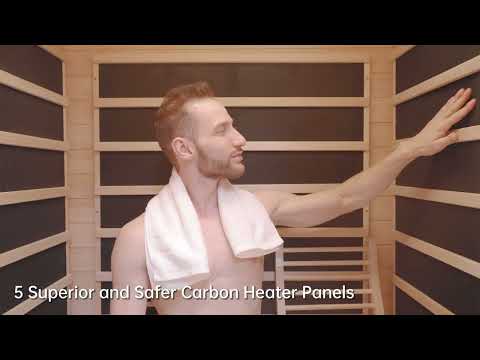
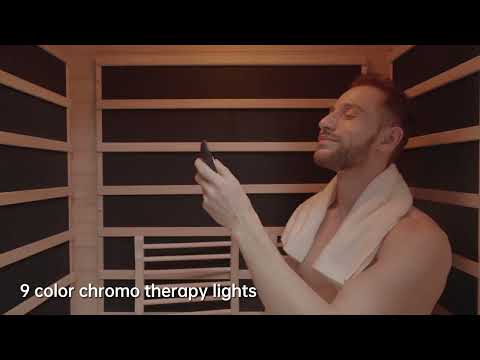
Not all infrared saunas feel the same. Some models combine multiple heating systems, such as mica or carbon heating panels, along with features like red light therapy and chromotherapy lighting.
For example, units like the Springspa full spectrum infrared sauna room include multi-panel heating, red light therapy (around 660–850nm wavelength), and additional features such as Bluetooth audio and oxygen ionization systems. These combined effects can increase the overall sensory load even if the temperature setting seems moderate.
Brands like Springspa use similar multi-function infrared systems that blend heat and wellness features. While this can improve relaxation, it also means users may need to be more mindful about session duration and hydration.
Air feeling and enclosure can add to discomfort
Because infrared saunas are enclosed spaces, the warm air can feel dense or “heavy” for some users. Even with ventilation systems or ionizers, the experience is still very different from open-air environments.

Some people also experience mild anxiety or discomfort simply from being in a closed heated space, which can amplify physical sensations like dizziness or shortness of breath.
Individual sensitivity plays a big role
There is no single “standard reaction” to sauna heat. People with different fitness levels, medical conditions, hydration habits, or medication use can respond very differently to the same environment. For some, 30 minutes feels relaxing. For others, even 10–15 minutes may be enough to trigger symptoms like lightheadedness or fatigue. That difference is completely normal and doesn’t necessarily indicate anything is wrong.
A simple way to interpret discomfort signals
Most sauna-related discomfort is not random—it’s your body signaling that heat load, hydration level, or circulation changes are exceeding what feels comfortable in that moment. When those signals appear, it usually means the session is either too long, too intense, or not well prepared.
With better pacing, hydration, and awareness of timing, most users find that these symptoms become much less frequent and the experience becomes noticeably more comfortable.














Share:
Should You Shower Before or After an Infrared Sauna Session?
Is Low-EMF Important for Infrared Sauna and How Can Users Verify It?