

People shopping for an infrared sauna today often run into the same phrase over and over again: low EMF or near-zero EMF. Some brands make it the center of their marketing. Others barely mention it at all. That leaves many buyers wondering whether it actually matters or if it’s just another trendy feature added to the product page.
The truth sits somewhere in the middle. EMF levels are not the only thing that determines whether an infrared sauna is safe or comfortable, but they are something many users care about, especially for long sessions at close range. Since you are literally sitting inches away from heating panels for 20 to 45 minutes at a time, it makes sense that people want to know what they are being exposed to.
At the same time, there is also a lot of confusion online. Some articles make it sound terrifying, while others dismiss the topic completely. In reality, understanding low-EMF infrared saunas is much easier when you focus on what EMF actually means, how sauna heaters work, and how to verify manufacturer claims instead of relying on vague advertising language.

What Does EMF Mean in an Infrared Sauna?
EMF stands for electromagnetic field. These fields are produced whenever electricity flows through wiring or electrical devices. Phones, refrigerators, laptops, hair dryers, Wi-Fi routers, and even household wiring all generate some level of EMF.
Infrared saunas are no different. Their heating panels require electricity, so they naturally produce electromagnetic fields during operation.
The main concern for sauna buyers is proximity. In daily life, most people are not sitting directly against large heated electrical panels for extended periods. Inside a sauna, however, your back, legs, and arms may stay very close to the heating elements the entire session.
The World Health Organization notes that low-frequency electromagnetic fields are common in modern environments and continue to be studied for possible long-term health effects. That does not automatically mean infrared saunas are dangerous. It simply explains why some users prefer lower EMF exposure when possible.
Why Low-EMF Became a Selling Point
A few years ago, most home sauna buyers focused mainly on heating speed, wood quality, or seating space. Now, many shoppers specifically ask whether the sauna uses low-EMF or near-zero-EMF heating panels.
Part of that shift came from increasing public awareness around electromagnetic exposure in general. Another reason is that newer sauna technology has improved significantly. Manufacturers now have better shielding methods, updated wiring layouts, and redesigned heater systems that can reduce measurable EMF levels compared to older sauna models.
For example, some modern infrared saunas use carbon fiber or mica heating panels designed to keep EMF readings lower while maintaining steady heat output. Certain models also relocate transformers and power components farther from the seating area.

Brands like Springspa have also started highlighting low-EMF or near-zero-EMF designs because customers actively search for those features before buying.
Still, there is an important detail many shoppers miss: there is no universal industry definition for “low EMF.” One company’s “low EMF” sauna may measure very differently from another brand’s “near-zero EMF” sauna.
That is why verification matters more than marketing phrases.
Does Scientific Research Say Low EMF Is Necessary?
This is where conversations online often become exaggerated.
According to the National Cancer Institute EMF Fact Sheet, research on low-frequency EMF exposure is still ongoing, and current evidence has not established a clear direct link between typical household EMF exposure and cancer in adults.
The U.S. Food and Drug Administration also states that scientific evidence has not consistently linked exposure to low-level electromagnetic fields with health problems. FDA Radiation and Electromagnetic Fields Information
That said, many wellness-focused consumers still prefer minimizing unnecessary exposure where practical. It is similar to how some people choose fragrance-free products or filtered water even when standard products are considered acceptable. For sauna users, low EMF is often viewed as a comfort and peace-of-mind feature rather than a medically required one.
The Difference Between Low EMF and Near-Zero EMF
These two terms sound similar, but they are not exactly the same thing.
A low-EMF sauna reduces electromagnetic field exposure compared to standard models, but measurable EMF may still exist near the heating panels. A near-zero-EMF sauna is designed to reduce readings even further, especially at seating distance. Manufacturers may use additional shielding, altered wiring configurations, or modified power systems to accomplish this.
However, because there is no standardized global certification specifically for “near-zero EMF saunas,” buyers should always ask for actual measurement data rather than trusting labels alone.
A serious manufacturer should be willing to provide EMF testing information, measurement distance, and testing conditions.

The closer you are to carbon fiber or mica heating panels, the higher the EMF reading is.
How Users Can Actually Verify EMF Claims
This is where smart shopping matters. A surprising number of sauna listings mention low EMF without giving any measurable numbers at all. If a product page only says “safe EMF levels” but provides no testing details, that should raise questions.
Reliable verification usually starts with asking how the sauna was tested.
Distance matters because EMF readings change dramatically depending on how close the meter is to the heating panel. A sauna measured from 20 inches away may look very different from one measured directly against the heater surface. Good manufacturers often specify readings at seated body distance rather than unrealistic testing positions.
Independent third-party testing is another positive sign. Some sauna companies use outside laboratories or EMF meters to document readings during operation.
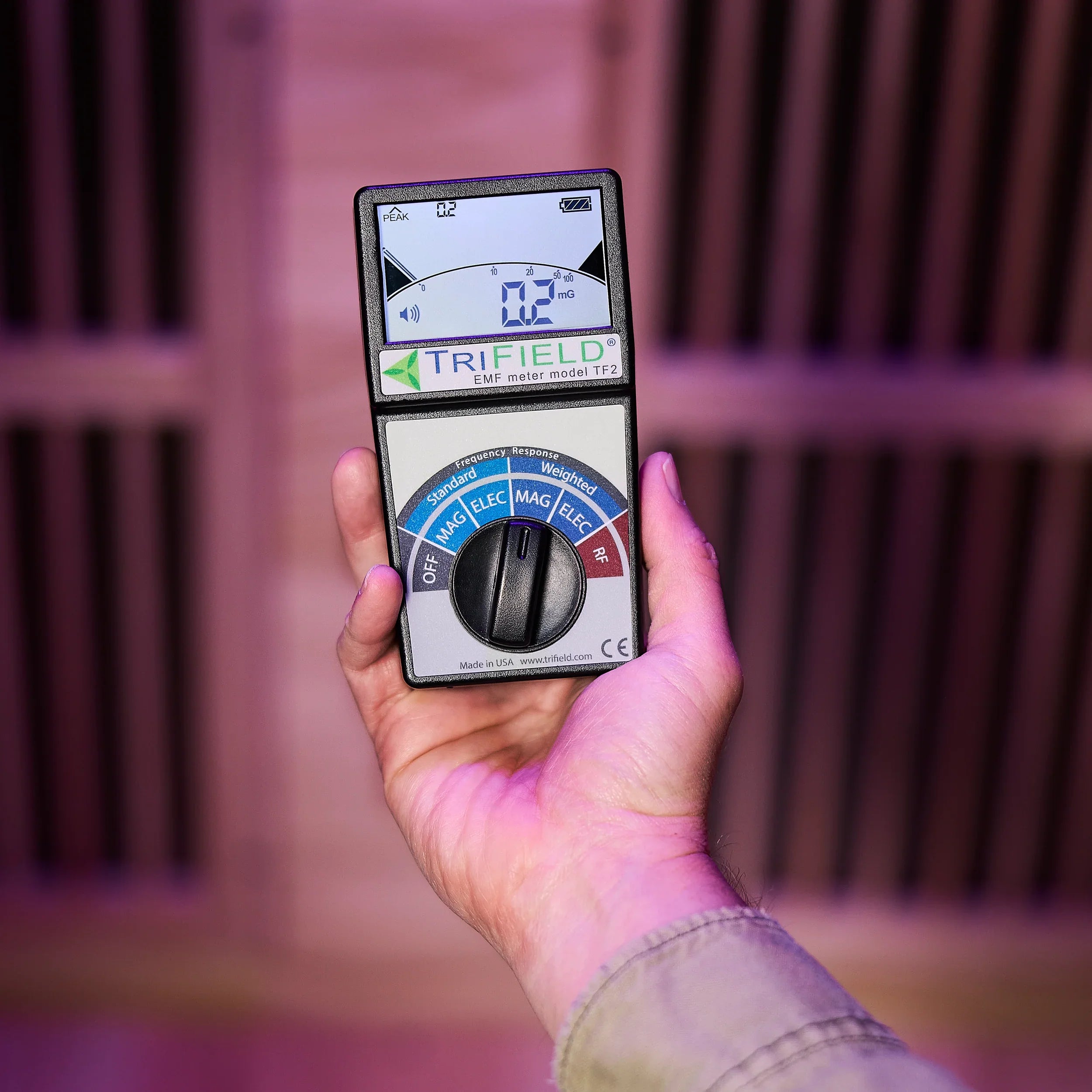
Users can also buy their own EMF meter if they want to check readings personally at home. Consumer EMF meters are widely available and can measure magnetic fields near heating panels, wiring, and control boxes. While home meters are not laboratory-grade medical instruments, they can still help buyers compare relative exposure levels between products.

Heating Technology Also Affects EMF Levels
Not all infrared heating systems behave the same way. Traditional metal heating coils may generate different EMF patterns compared to carbon panels or mica heating plates.
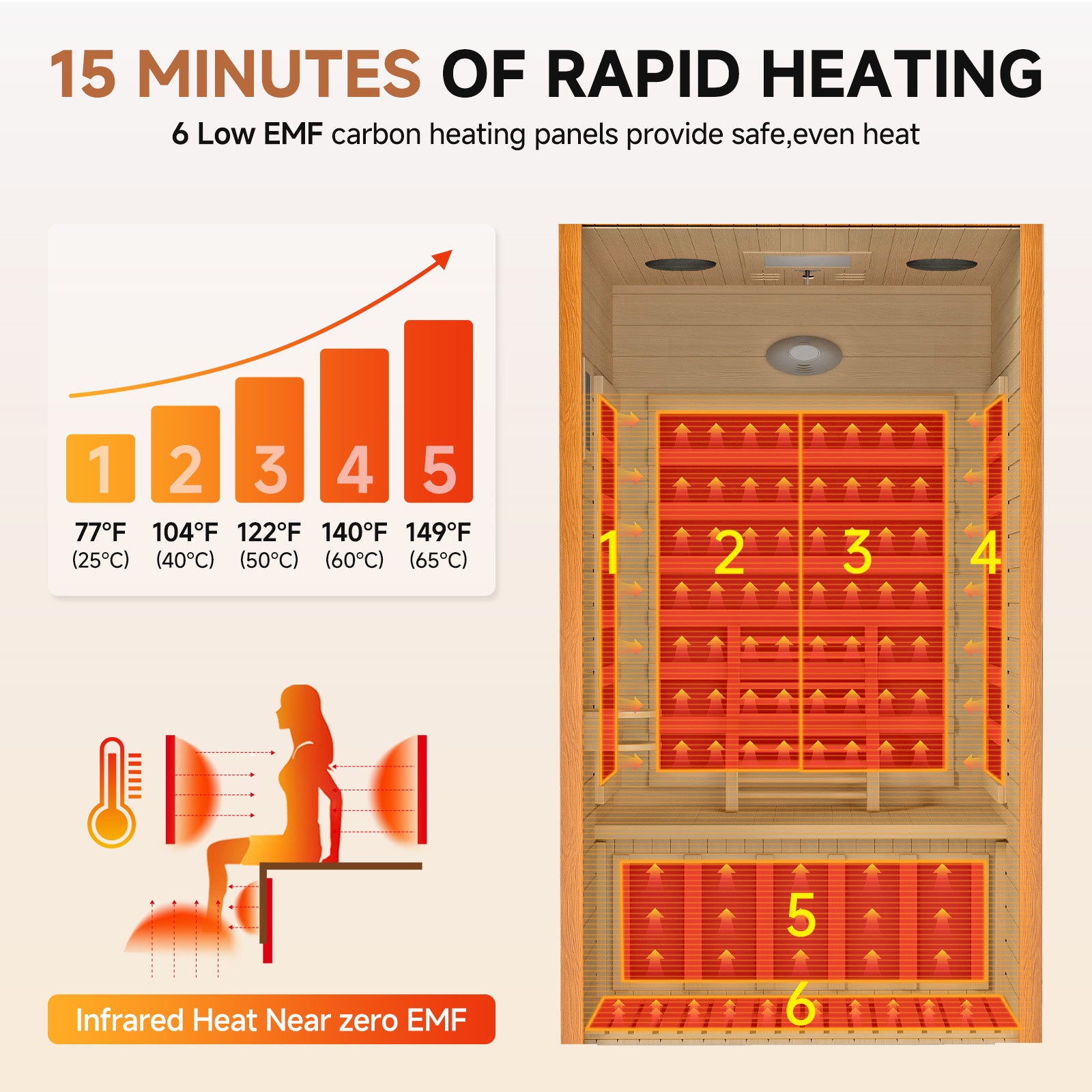
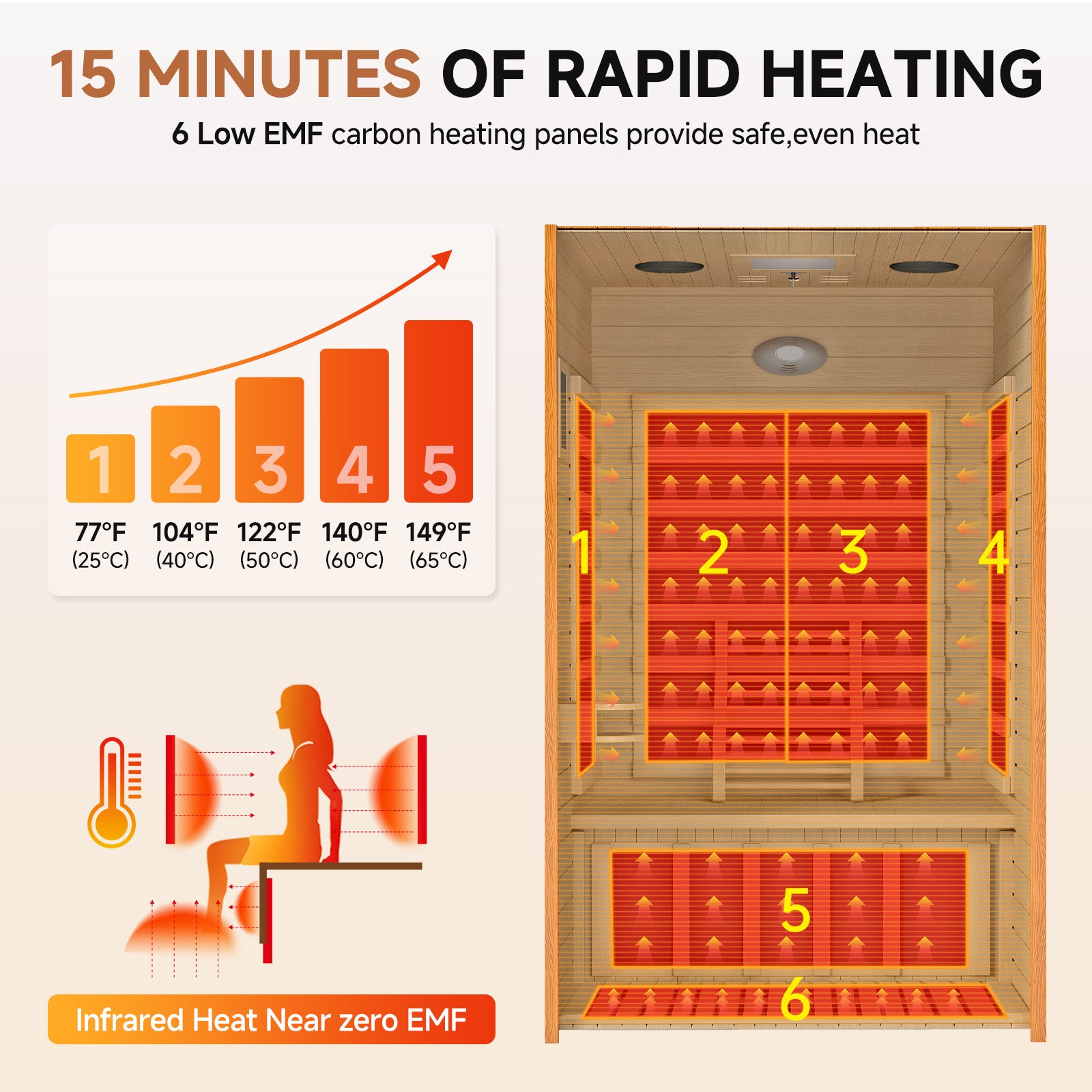
Many newer home infrared saunas now use carbon heating panels because they distribute heat more evenly and can operate at lower surface temperatures. Some low-EMF models combine carbon panels with shielded wiring to further reduce exposure.
Mica heating systems are also becoming more common. Certain designs heat quickly and maintain stable temperatures while aiming to keep electromagnetic output lower around the seating area. The overall engineering matters more than a single buzzword.
A poorly designed “low EMF” sauna may perform worse than a well-built standard sauna with proper electrical layout and shielding.

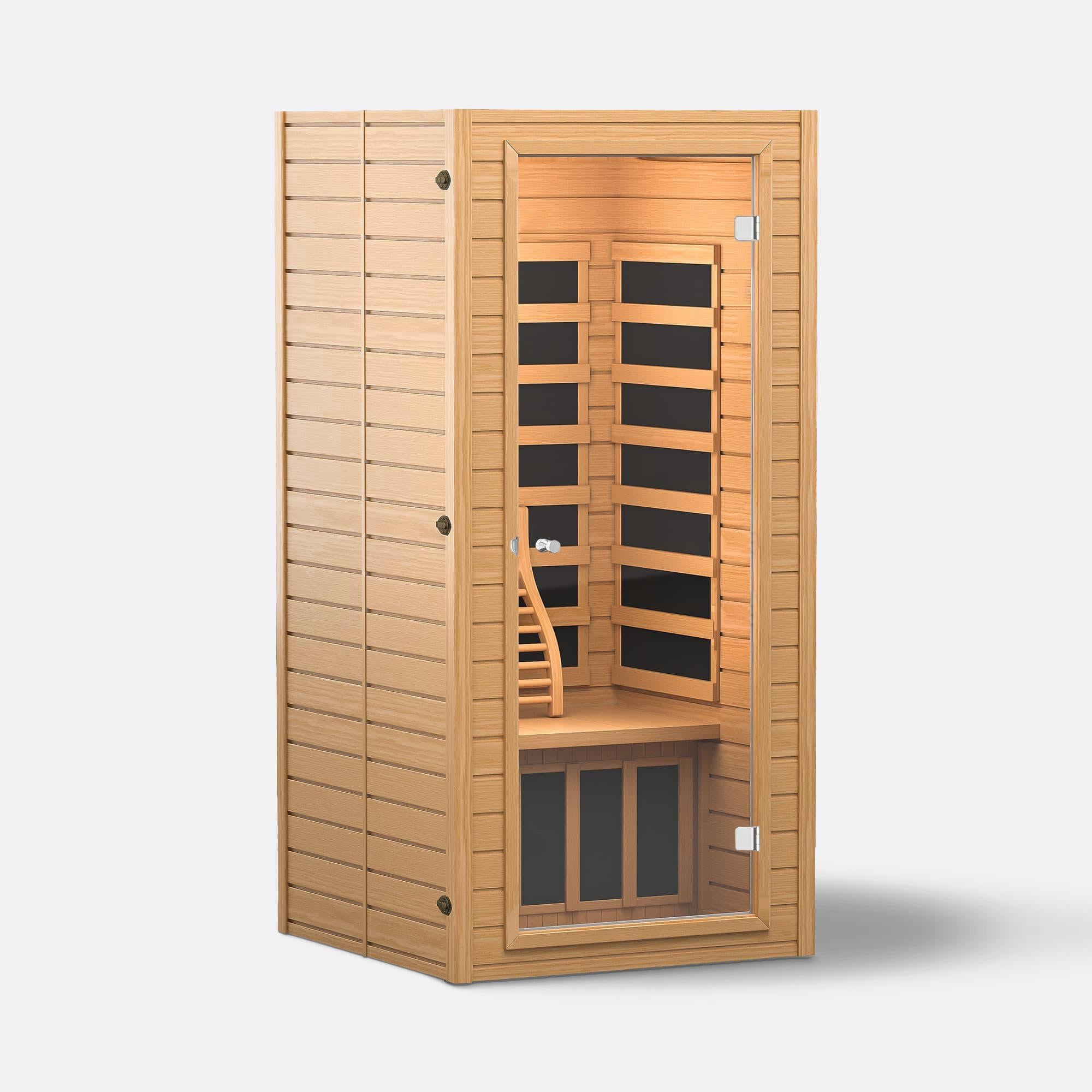
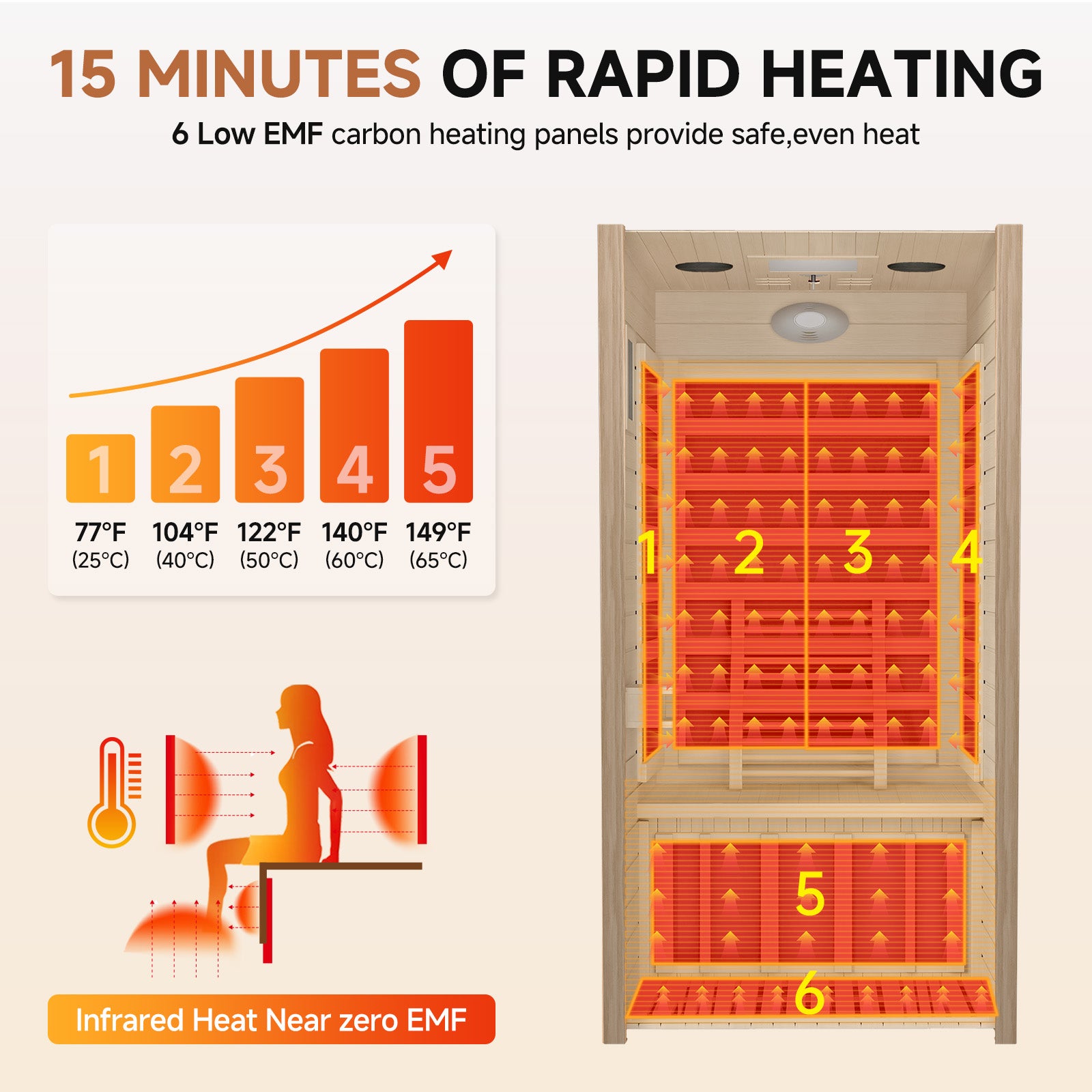
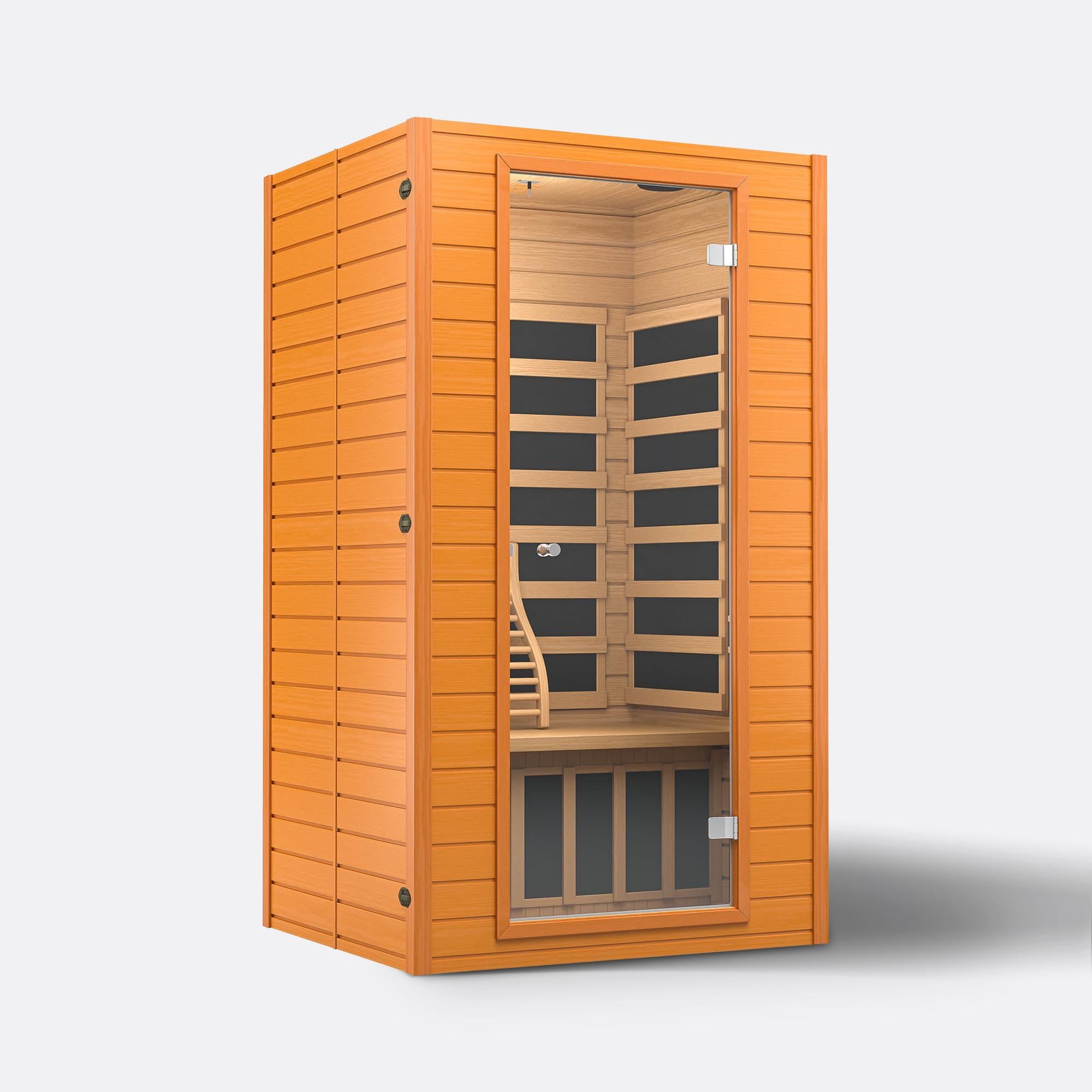
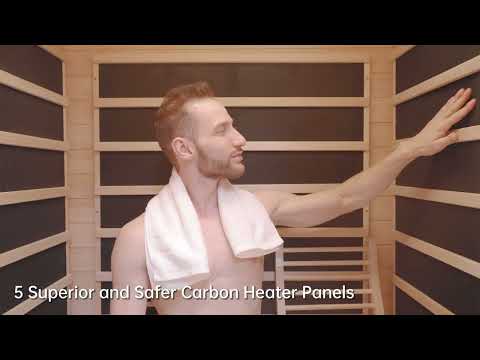
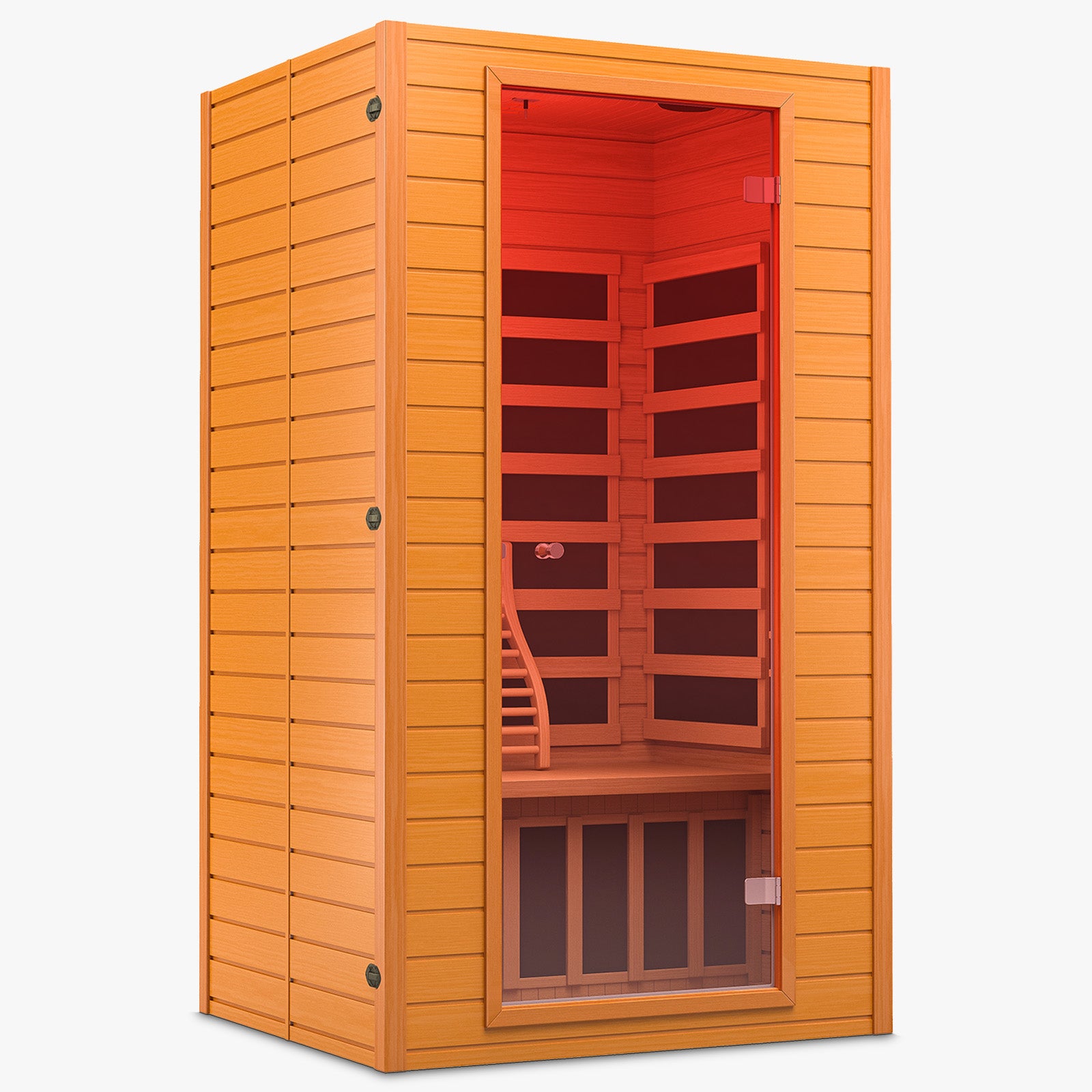
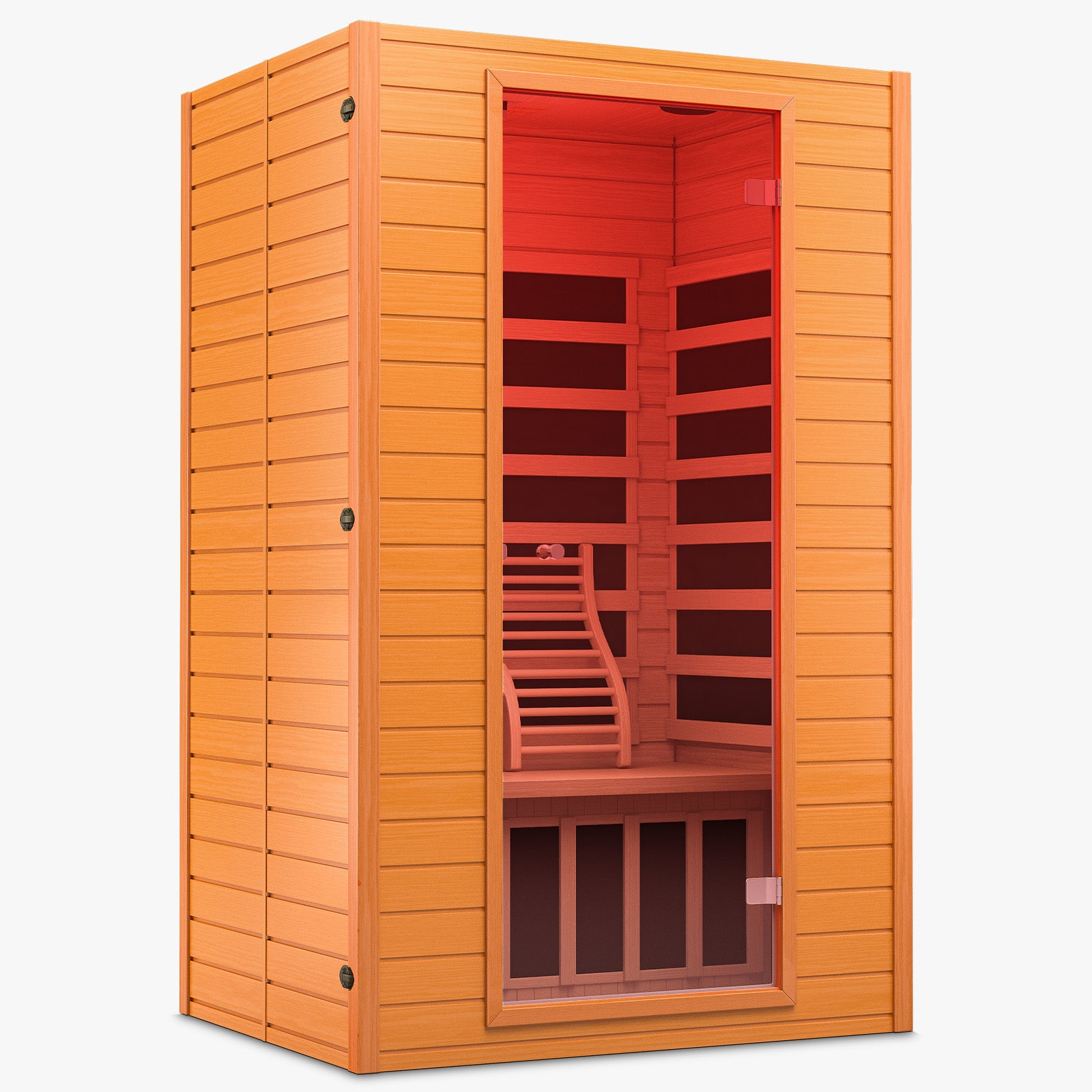
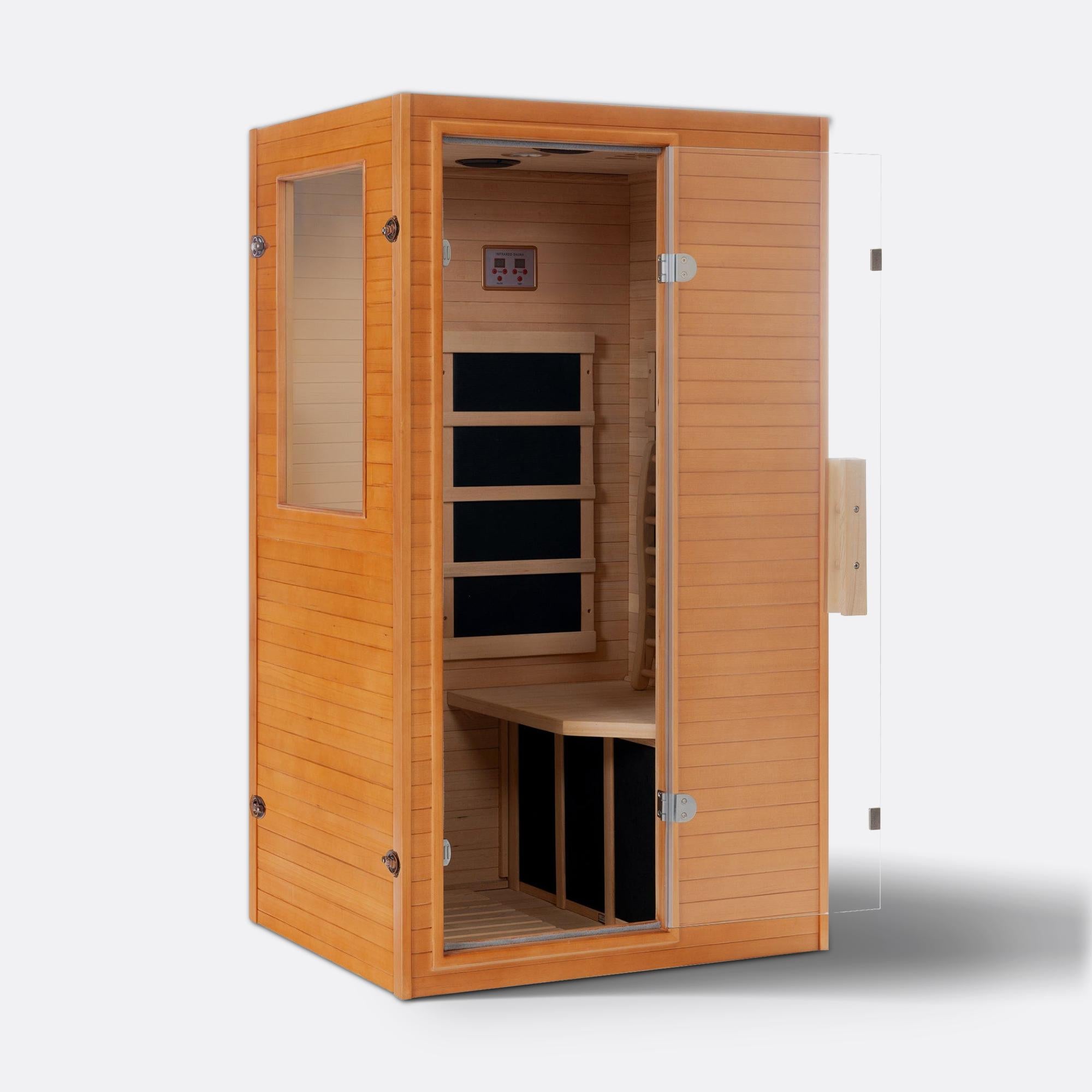
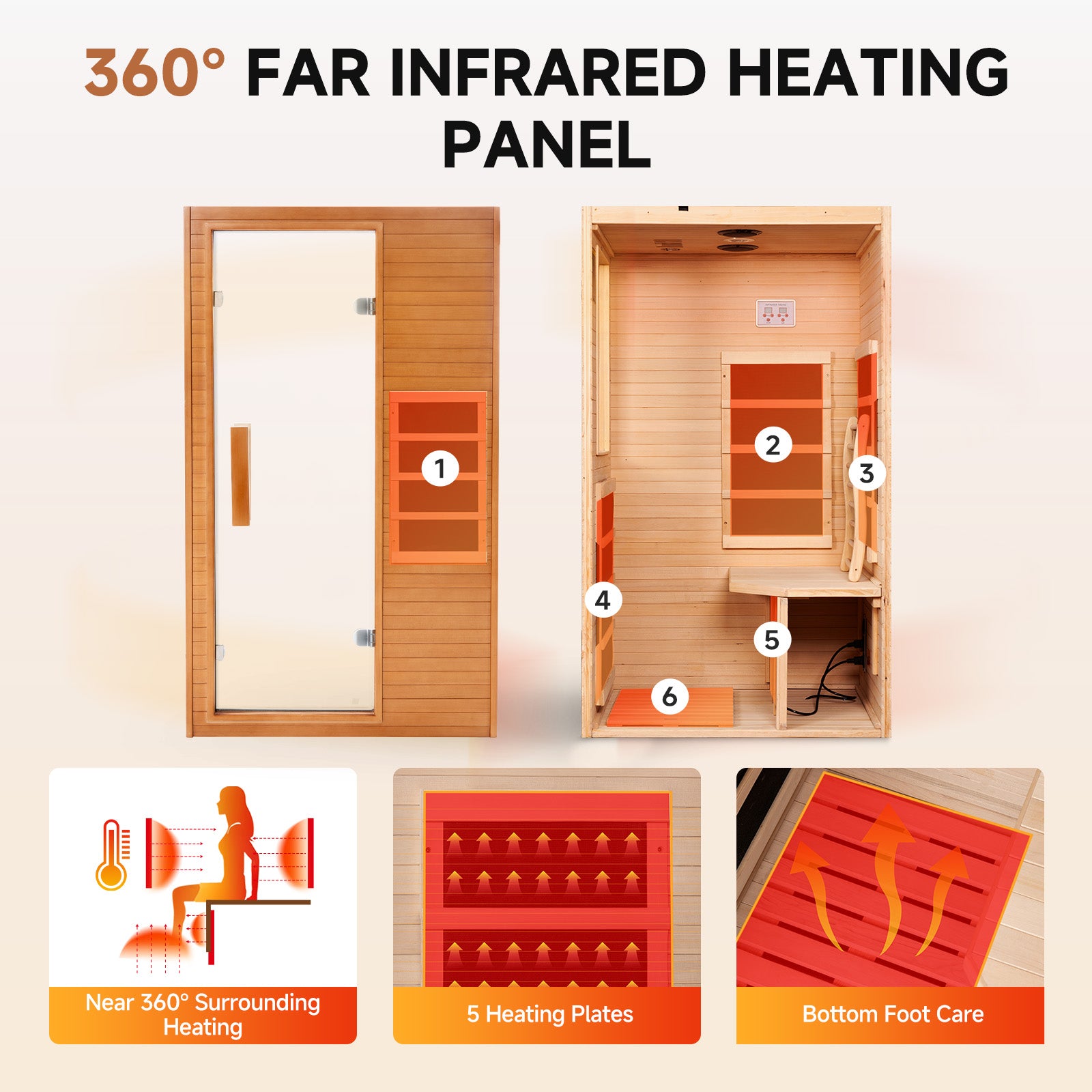
Springspa use low-emf carbon heater panels
Other Safety Features Matter Too
Some buyers focus so heavily on EMF that they forget about everything else that affects sauna safety and comfort. Ventilation matters. Electrical certifications matter. Heater durability matters. Temperature stability matters too.
A quality infrared sauna should also include tempered glass, proper wiring protection, overheating safeguards, and reliable control systems.
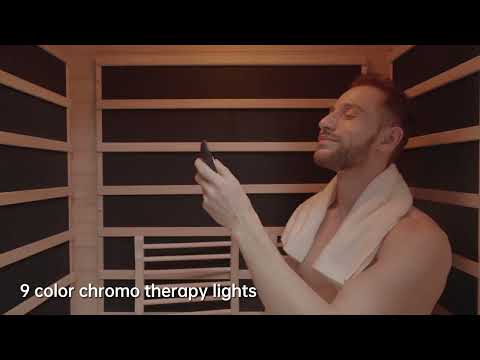
For example, many newer home sauna models now include automatic timer shutoff, Bluetooth control panels, oxygen ionizers, chromotherapy lighting, and low-temperature surface management systems designed to improve the user experience while maintaining safer operating conditions.

Even practical details like wood type can influence long-term comfort. Canadian hemlock and cedar are popular because they handle heat and humidity well while helping insulate the cabin interior.
Should You Only Buy a Low-EMF Sauna?
Not necessarily. If low EMF is important to you personally, then it makes sense to prioritize it during your search. There is nothing wrong with wanting reduced exposure when sitting close to electrical heaters for long sessions. But it also should not be the only factor driving the purchase.
A sauna with poor heating consistency, unreliable electronics, uncomfortable seating, or questionable construction quality will probably create more frustration than slightly higher EMF readings. The better approach is balance.
Look for realistic testing information, reputable safety certifications, durable materials, and heating systems that perform consistently. If the sauna also offers independently tested low-EMF performance, even better.
Most people buying infrared saunas are simply trying to create a comfortable place to relax, sweat, loosen up, and unplug from daily stress for a while. Clear information matters much more than fear-based marketing.




Share:
Why Do Users Feel Uncomfortable During an Infrared Sauna Session?
Full Spectrum Infrared Sauna with Red Light Therapy Under $3000