


If you’ve been browsing home sauna options lately, you’ve probably noticed something pretty obvious: the market is split into two extremes. Either it’s basic, stripped-down infrared boxes, or it jumps straight into expensive spa-level systems. The interesting middle ground is where full spectrum infrared sauna rooms with red light therapy under $3000 sit.
A unit like the Springspa full spectrum infrared sauna room represents this category quite well. It combines infrared heating, chromotherapy lighting, red light therapy and even air ionization functions into a single enclosed cabin that can realistically fit into a home environment without major renovation work. It’s not just about sweating—it’s more like creating a controlled wellness space you can step into anytime.
What Full Spectrum Infrared and Red Light Actually Means in Real Use
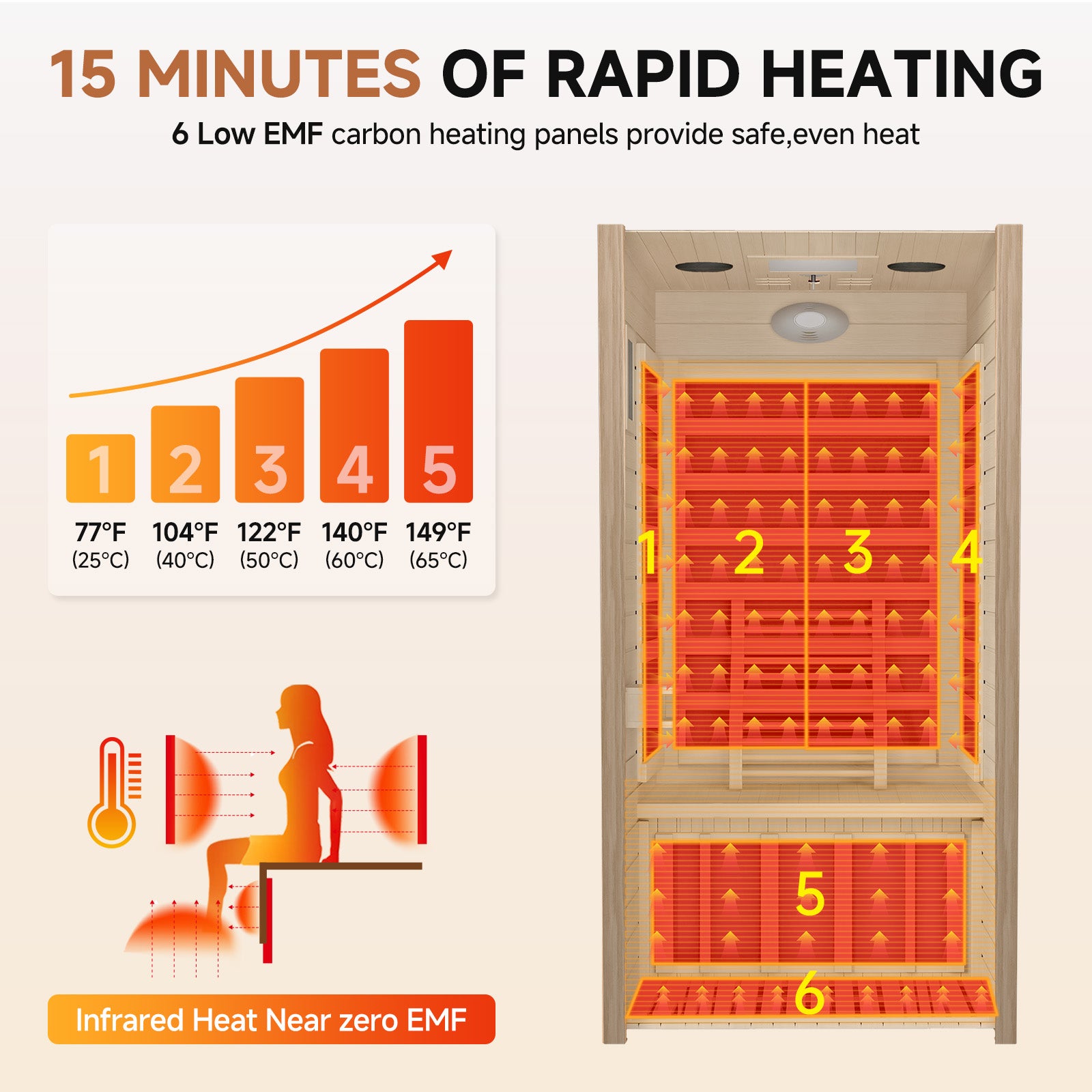
When people hear “full spectrum infrared sauna,” it can sound more complicated than it is. In practice, it refers to a heating system that covers different infrared wavelengths, mainly near and far infrared. Instead of heating the air like traditional saunas, the warmth is delivered directly to the body through panels, which creates a more consistent and penetrating heat experience.
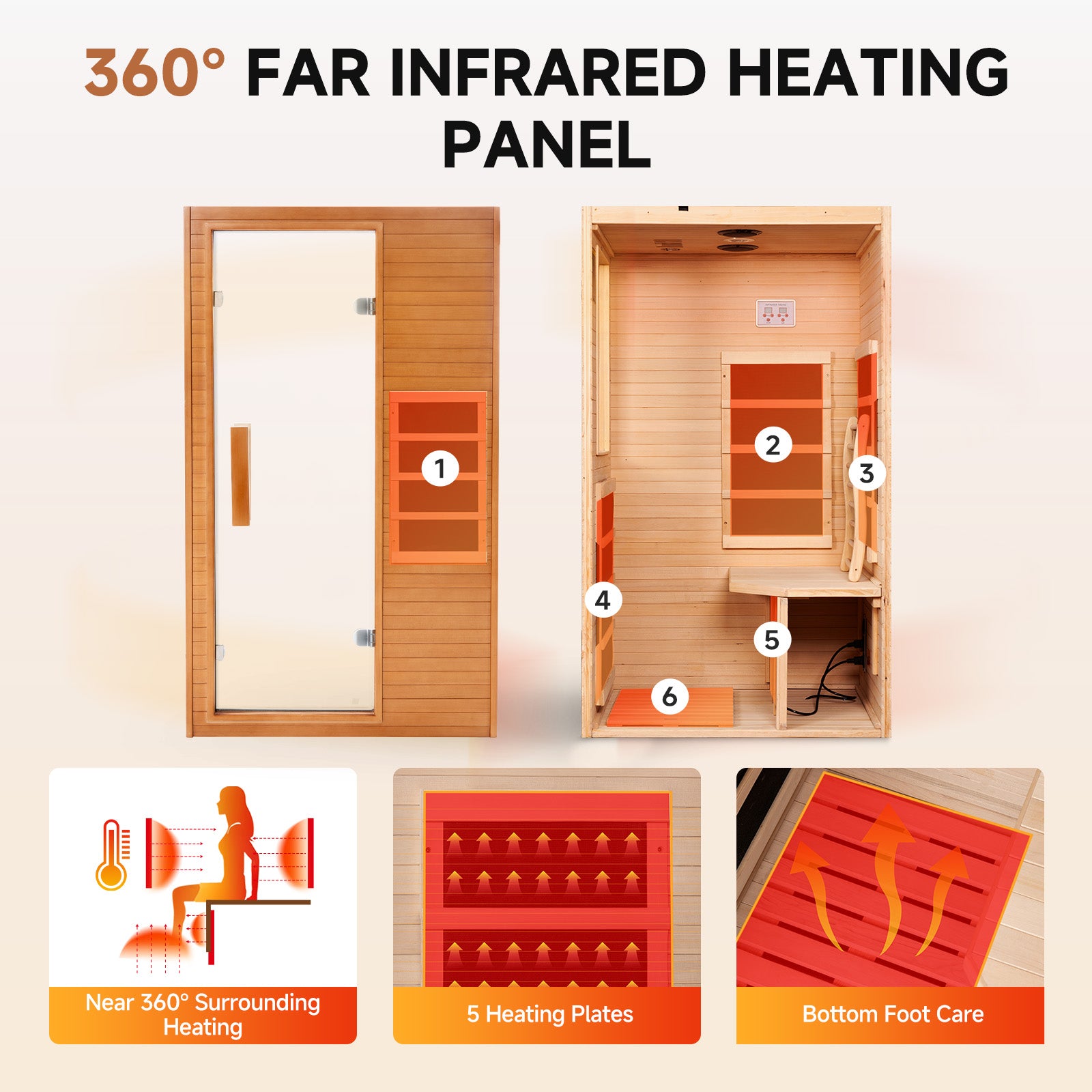
In models like the Springspa full spectrum infrared sauna, mica infrared heating panels are used to distribute this warmth evenly inside the cabin. On top of that, a red light therapy system is integrated, typically operating in the 660nm red light and 850nm near-infrared range. These wavelengths are widely used in photobiomodulation research.

According to the U.S. National Institutes of Health, red and near-infrared light exposure has been studied for its potential effects on tissue repair and cellular energy processes.
While outcomes vary from person to person, the reason this technology is showing up in wellness devices is because it has been explored in controlled scientific settings rather than being just a lifestyle trend.

Inside a Real Example: What the Springspa Full Spectrum Infrared Sauna Actually Brings Into a Home
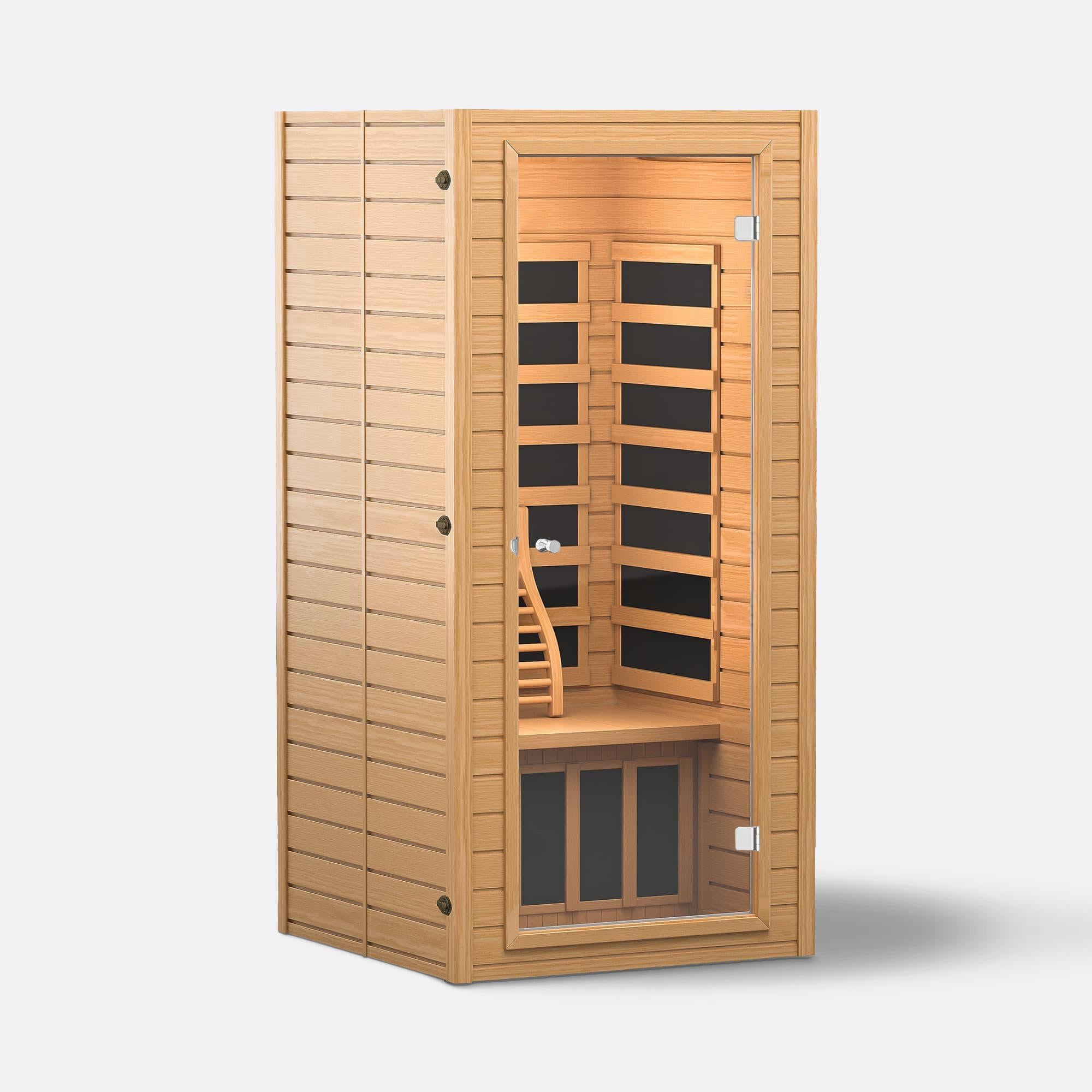
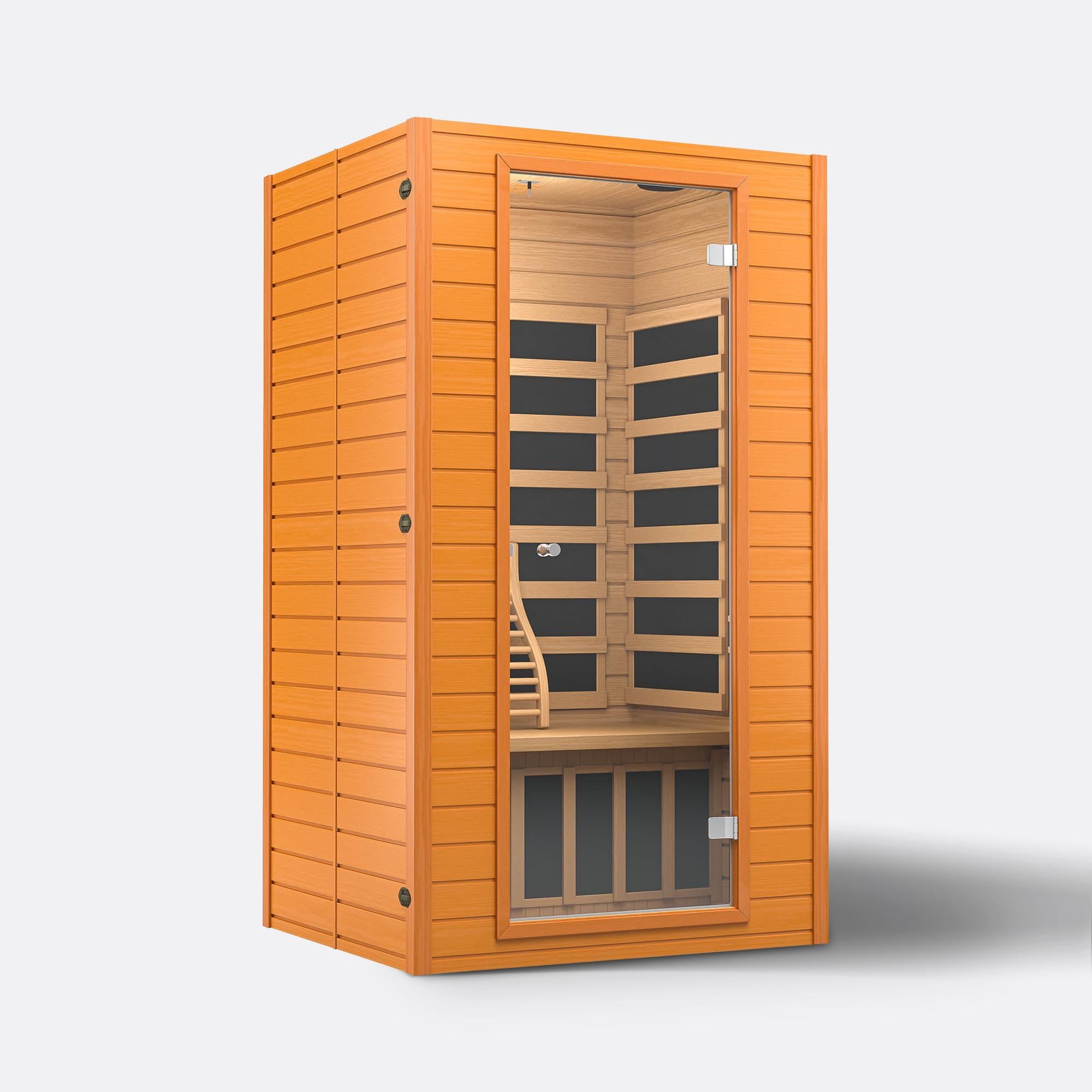
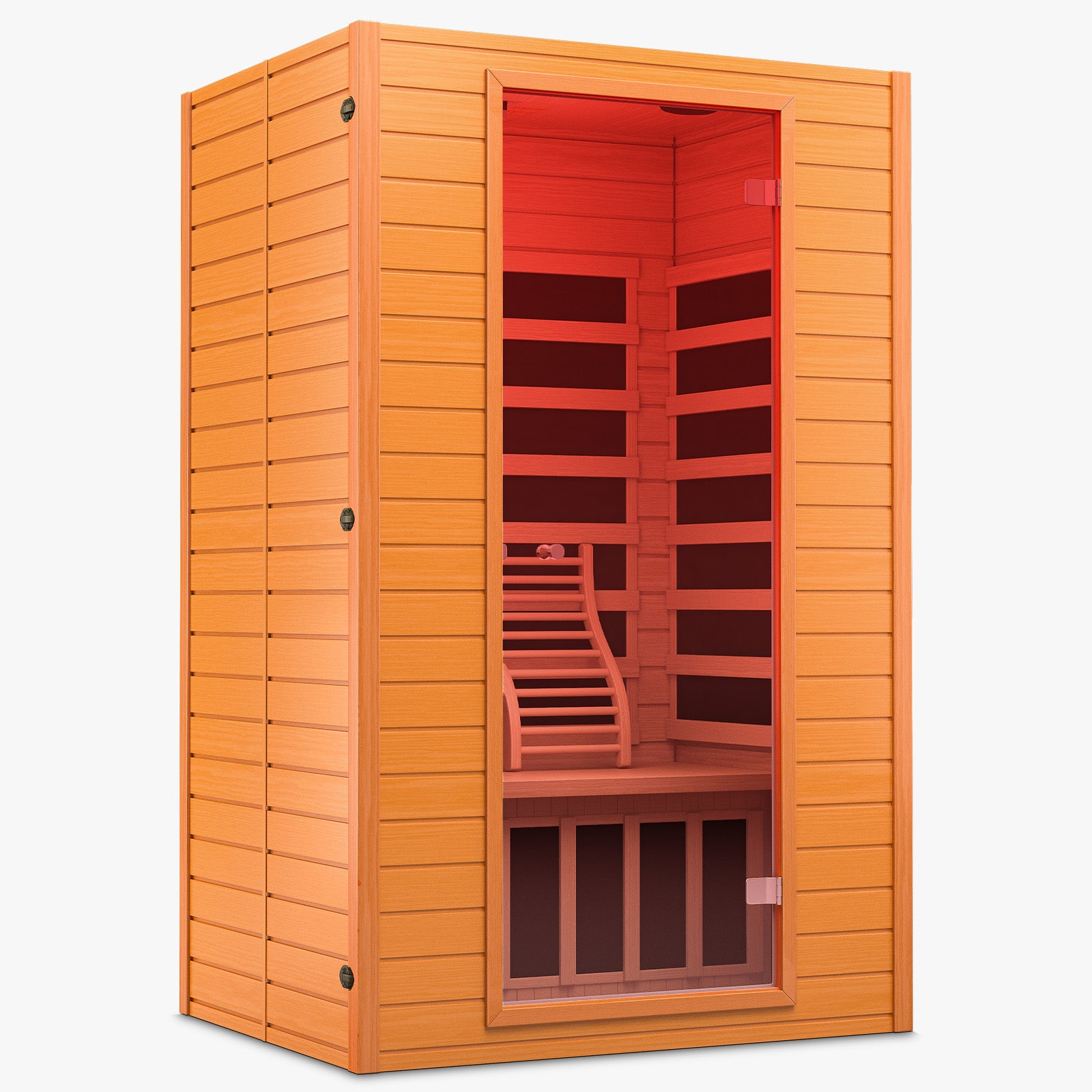
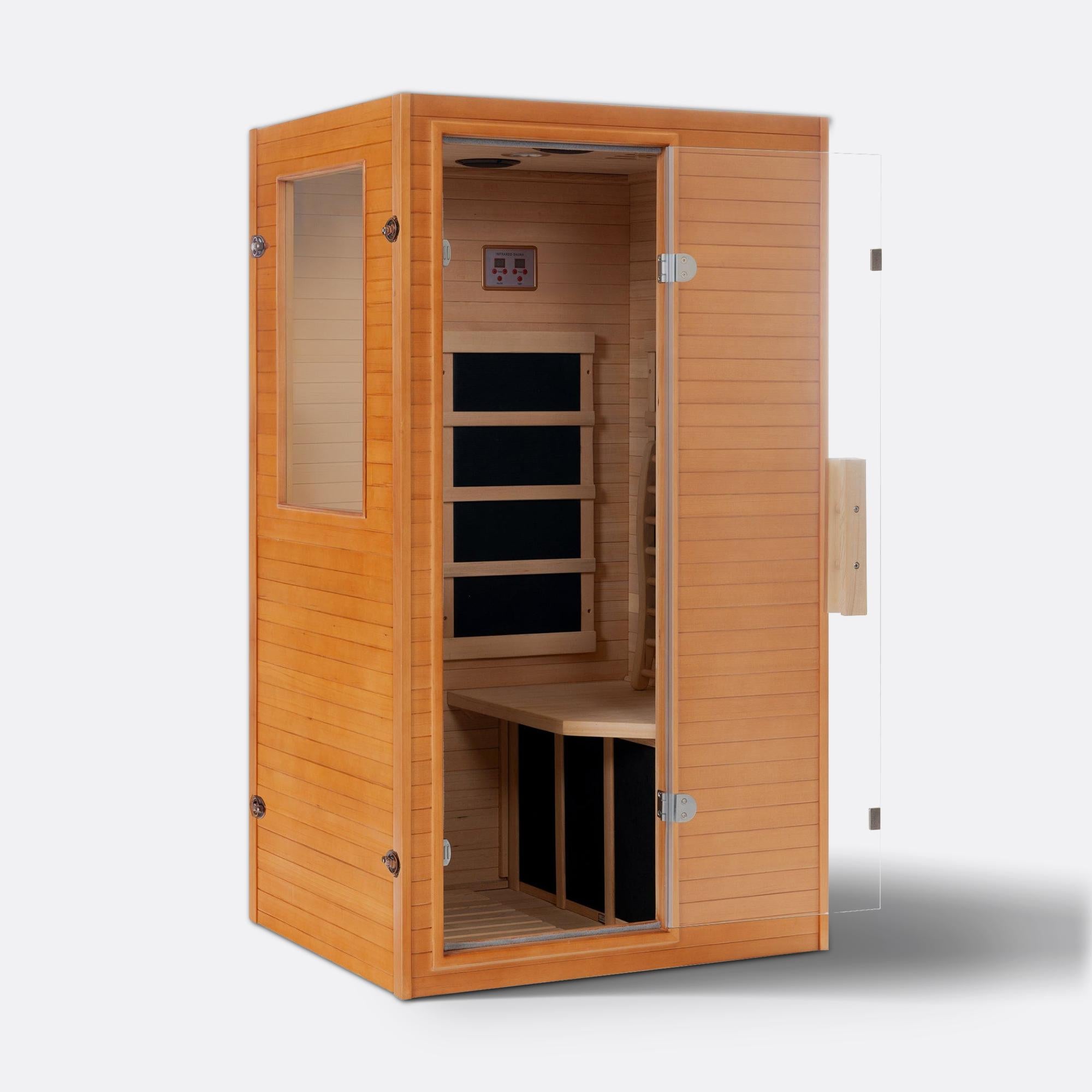
The full spectrum infrared sauna room is built with Canadian hemlock wood, a material commonly used in sauna construction because it handles heat and humidity well over time. The structure is compact enough for home placement, measuring around 1200 × 900 × 1900 mm, which makes it suitable for a corner setup rather than requiring a dedicated spa room.
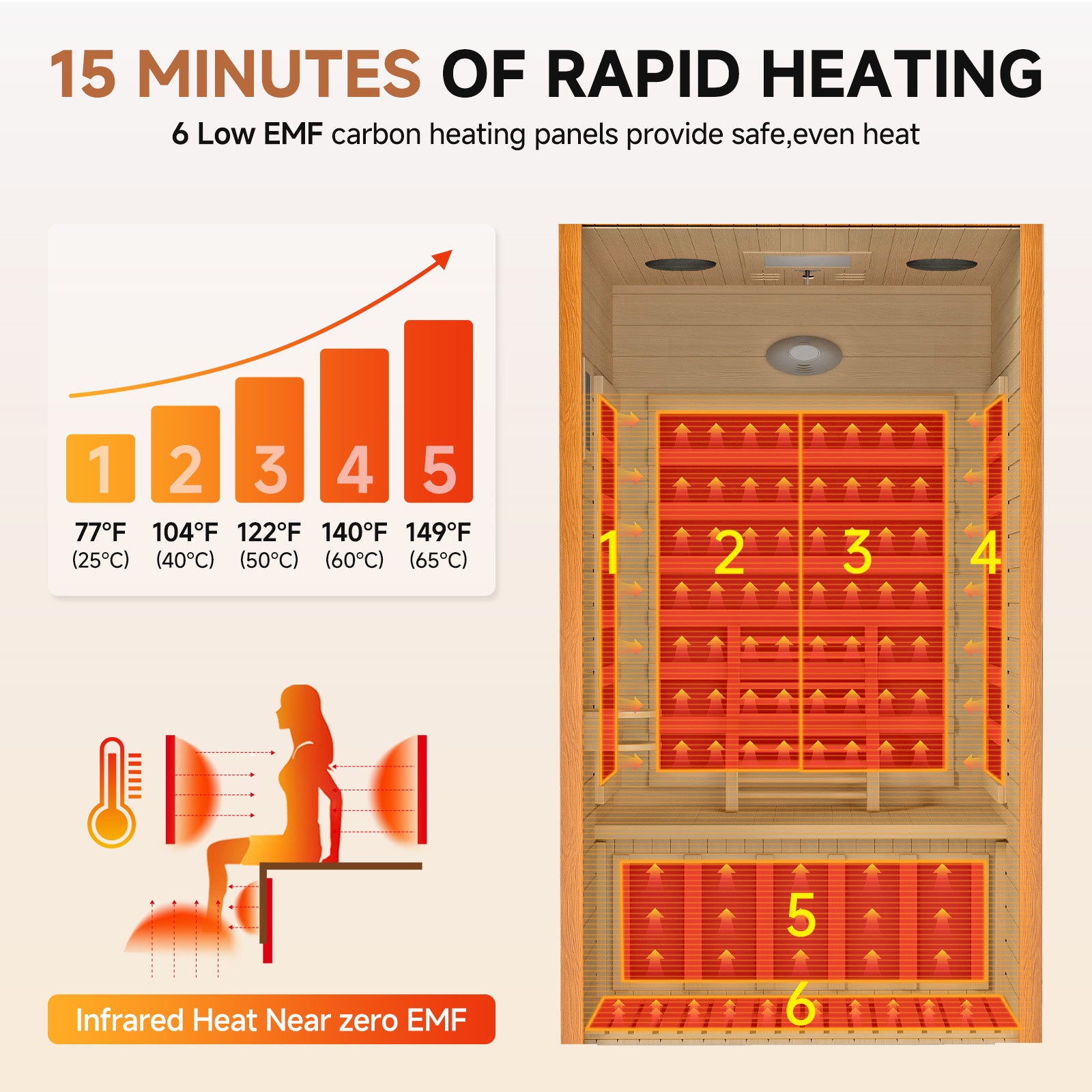
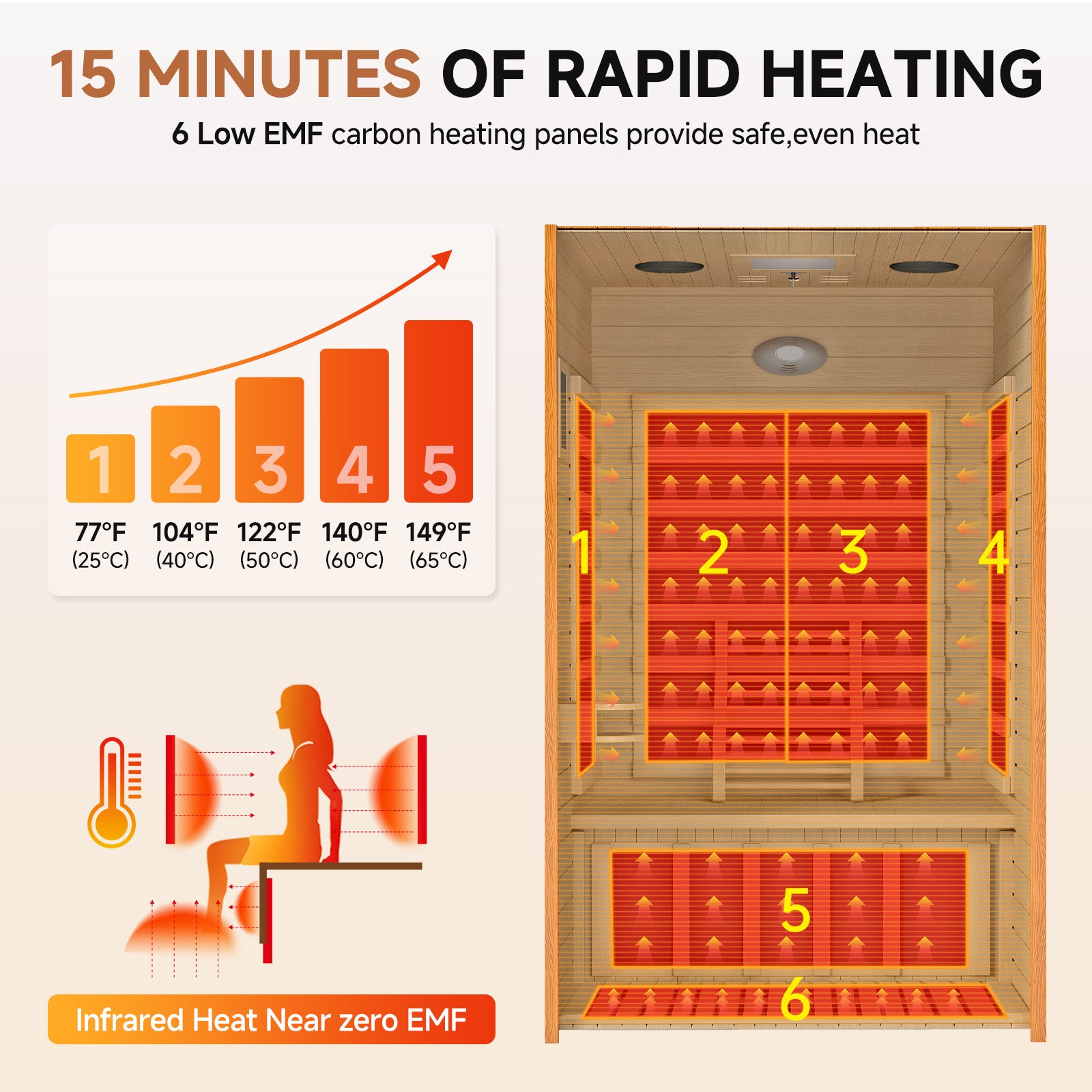
Inside, the heating system relies on infrared mica panels that provide steady heat output up to roughly 149°F (65°C). The experience is not harsh or overwhelming; instead, it builds a gradual warmth that feels more controlled compared to traditional steam sauna environments.
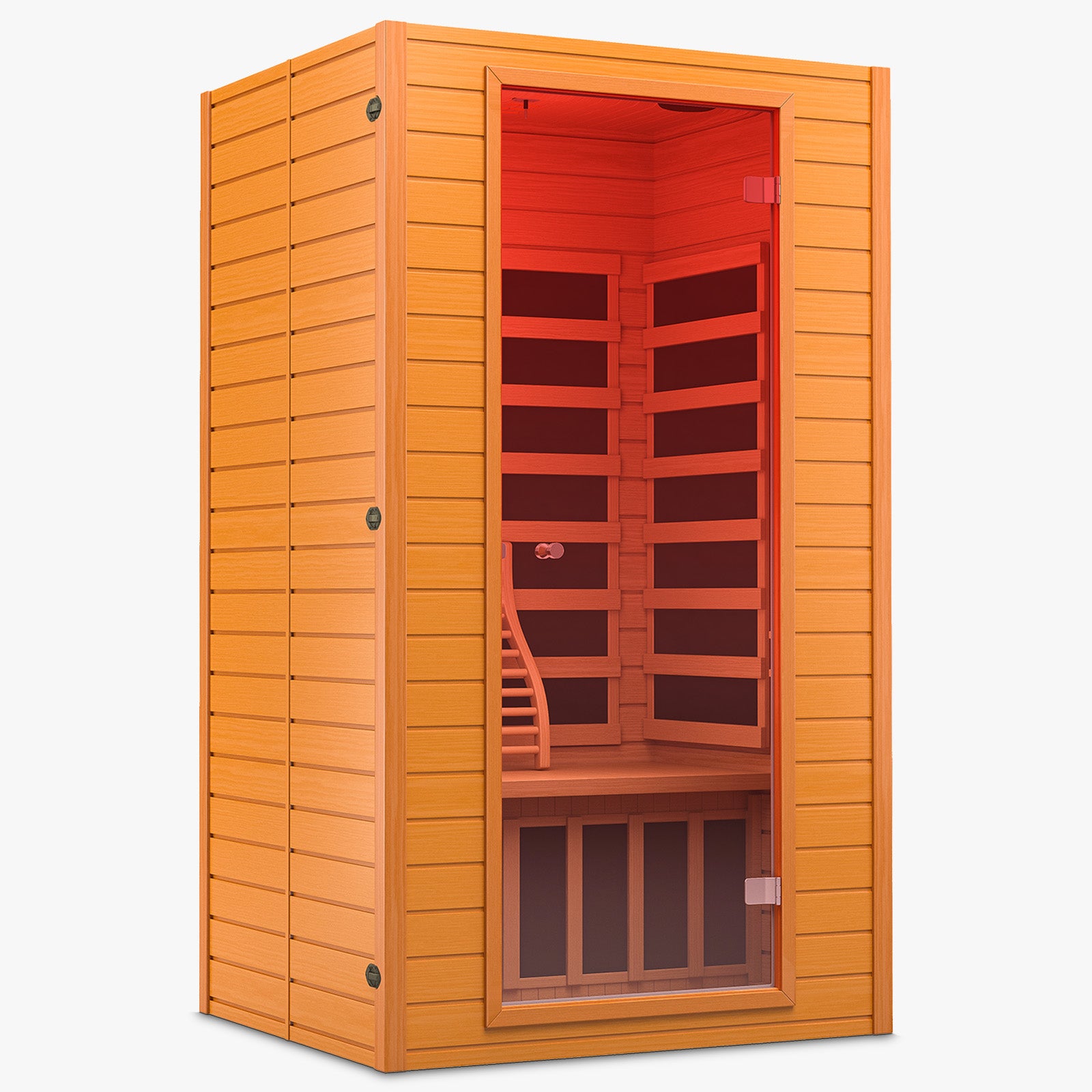
The cabin also integrates a 90W red light therapy panel mounted on the door, adding targeted light exposure during sessions. This is paired with a 7-color chromotherapy lighting system, which changes the internal ambiance depending on mood or preference. Some users prefer cooler tones for relaxation, while warmer tones are often used for a more calming atmosphere.
On the control side, an SX62 panel handles temperature, timing, lighting, and audio. Bluetooth connectivity allows users to connect a phone directly to the sauna system, while FM radio and USB playback provide additional options. Features like cup holders and a negative ion function are included as part of the overall experience design, making it feel more like a personal wellness cabin than a purely functional appliance.

Why Heat and Light Are Often Combined in Wellness Design
Infrared heat on its own already changes how the body experiences warmth. Instead of heating the surrounding air first, infrared energy is absorbed more directly, which is why people often describe it as a “deep heat” feeling.
Red light therapy adds another layer. Harvard Health Publishing notes that red light therapy is being actively studied for its potential role in skin-related and tissue-focused applications, although research is still ongoing and not all claims are fully established.
When these two systems are combined, the result is not just physical warmth but a layered sensory environment. The heat encourages relaxation, while the light system introduces a visual and wavelength-based component that many users associate with recovery-focused routines.
How It Feels in Everyday Use
One of the biggest reasons home infrared saunas have become more popular is simplicity. Once installed, the usage process is straightforward. The control panel manages everything from temperature and timer settings to lighting modes and audio playback.
Bluetooth pairing is typically as simple as connecting to a device labeled “BT-SAUNA,” after which music, podcasts, or ambient sound can play through built-in speakers. The FM radio and USB mode add flexibility for users who prefer offline media options. Instead of requiring multiple devices or separate systems, everything is integrated into a single cabin environment. That integration is what makes the experience feel more seamless compared to older sauna setups.
Safety and Realistic Usage Considerations
Heat-based environments always require basic caution. Medical institutions like the Mayo Clinic highlight that sauna use can affect heart rate, blood pressure, and hydration levels depending on individual conditions. In practical terms, this means sessions should be used with awareness rather than excessive duration. Hydration before and after use is important, and users with existing health conditions are generally advised to consult medical professionals before building sauna routines. Springspa full spectrum infrared saunas include built-in controls like time limits and temperature regulation to help manage usage, but the responsibility of moderation still matters in real-world use.
Maintenance and Long-Term Use
From a maintenance perspective, infrared sauna rooms like this are relatively low effort. The wooden interior typically only requires light cleaning with a damp cloth after use, while glass surfaces can be wiped with soft materials to prevent scratching.
Ventilation after sessions helps reduce moisture buildup inside the cabin, which supports long-term material stability. Electrical components are designed to be accessed for troubleshooting if needed, particularly around temperature sensors, control wiring, or heating panel connections. Most issues reported with infrared sauna systems are related to wiring connections or sensors rather than structural failure, which is why installation and initial setup are important steps.
Where Springspa Fits Into the Broader Sauna Category
Within this same market segment, Springspa Sauna has become a recognizable name in home infrared sauna systems. The brand typically offers multiple configuration options, including 1 person infrared sauna, 1–2 person infrared sauna and 2 person infrared sauna, and larger capacity designs depending on space and usage needs.
Instead of focusing on a single format, the approach is more modular. The idea is to match different home environments and usage habits rather than forcing a fixed design. In practical terms, that means someone living in a small apartment and someone with a dedicated wellness room can both find a suitable version within the same product family.
Why This Type of Sauna Is Becoming More Common
The popularity of full spectrum infrared sauna systems under $3000 is not just about price. It’s about accessibility. Traditional sauna installations require space, construction, and ongoing maintenance. These newer systems compress multiple functions—heat therapy, light exposure, audio integration, and air treatment—into a single enclosed unit that can be placed at home. The appeal comes from how flexible they are. They don’t require a spa visit, they don’t need complex setup routines every time, and they integrate into normal daily schedules more easily.
In that sense, the value is not just in the technology itself, but in how seamlessly it fits into modern home life without demanding major changes to the environment around it.







Share:
Is Low-EMF Important for Infrared Sauna and How Can Users Verify It?
Best Infrared Sauna for Home Use in 2026