

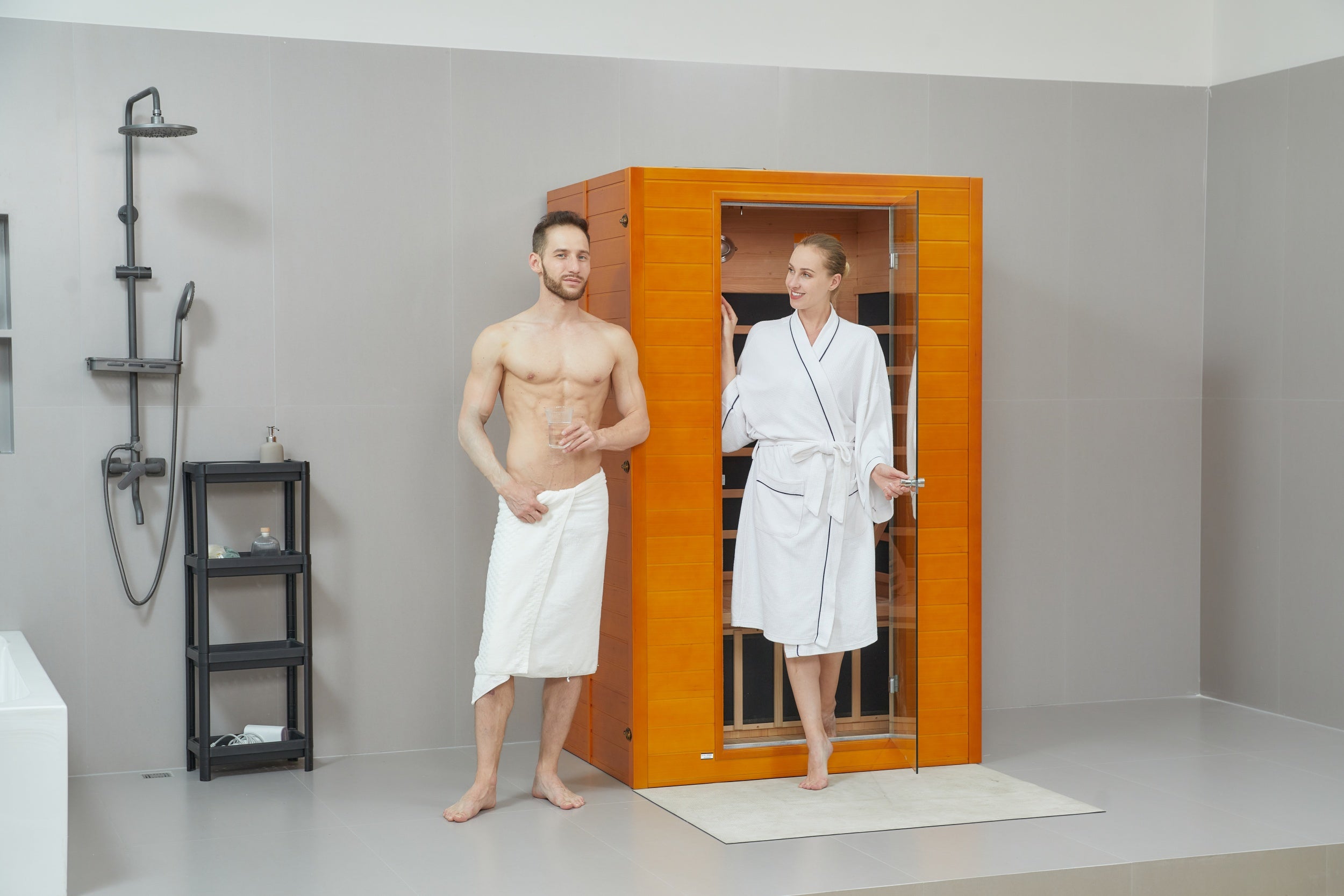
If you’ve got an infrared sauna at home—like a 1.9m two-person model with red light therapy, Bluetooth control, and multiple heating panels—you’ve probably already noticed one small but surprisingly common question coming up: should you shower before or after using it?
It sounds simple, but once you actually use the sauna regularly, the timing of your shower starts to affect how the whole experience feels. Comfort, sweating efficiency, even how refreshed you feel afterward—all of it connects. So instead of treating it like a strict rule, it helps to understand what your body is actually doing during the session and how a shower fits into that process.
What your body is doing inside an infrared sauna
An infrared sauna doesn’t heat the air the way traditional steam saunas do. Instead, it uses infrared panels to warm your body directly. That means even at moderate temperatures—often between 40°C and 65°C—you still start sweating as your core temperature rises.
According to the Cleveland Clinic, sauna use can increase heart rate and circulation in a way that resembles light cardiovascular activity. That’s why people often describe the feeling as a “deep sweat” rather than just surface warmth.
Because your skin is actively regulating heat, anything on the surface—like oils, lotions, or even sweat buildup from the day—can slightly influence how quickly and evenly that process starts.

Showering before the sauna
A quick shower before stepping into the sauna is less about “being clean” in a strict sense and more about giving your skin a fresh starting point. When your pores aren’t covered by lotions or residue, your sweating response tends to feel smoother and more natural once the infrared heat begins.
There’s also a subtle temperature effect. A warm shower gently raises your body temperature, so when you enter the sauna, your body doesn’t need as much time to adjust. People often notice that they begin sweating earlier and more evenly when they do this.
In practical terms, this step also helps protect the sauna interior. Units built with materials like Canadian hemlock and glass doors are designed for heat and humidity, but reducing excess skin oils and dirt helps keep the bench and panels cleaner over time.

Showering after the sauna
After the session, your body is still in a heated recovery state. Your heart rate is slightly elevated, your blood vessels are expanded, and your skin is actively releasing sweat.
This is where showering afterward becomes especially useful. A lukewarm or cool rinse helps remove sweat and surface impurities, but more importantly, it supports a gradual return to normal body temperature.
The Mayo Clinic notes that sauna use may support relaxation and short-term cardiovascular stimulation, which makes cooling down afterward a natural part of the process. A sudden temperature shock isn’t necessary; a gentle transition works better for most people.
A post-sauna shower also improves comfort. It clears that sticky feeling, resets your skin, and helps you step out of the “heat mode” mentally as well as physically.

Springspa compact 1 person indoor sauna for home use
So which one actually makes more sense?
If you look at it purely from effectiveness, showering after tends to matter more. That’s when your body needs help returning to normal temperature and when rinsing off sweat feels most beneficial. But showering before has its own role—it sets the stage. Cleaner skin, better sweat response, and a more comfortable session overall.
So in real use, most people end up doing both without even thinking about it: a quick rinse before, then a proper cool-down shower afterward.
Where extra features like red light therapy fit in
Many modern infrared saunas now include extras like chromotherapy lighting, Bluetooth speakers, oxygen ionizers, and red light therapy panels (often 660nm and 850nm wavelengths).
Scientific interest in red and near-infrared light is still evolving, but institutions like the National Institutes of Health have published research exploring its potential effects on skin and cellular activity, though results can vary depending on usage and device type.
If you’re using these features inside a sauna, keeping your skin clean beforehand helps ensure more even exposure. That’s one of the small practical reasons a pre-sauna shower quietly improves the experience without changing anything about the technology itself.
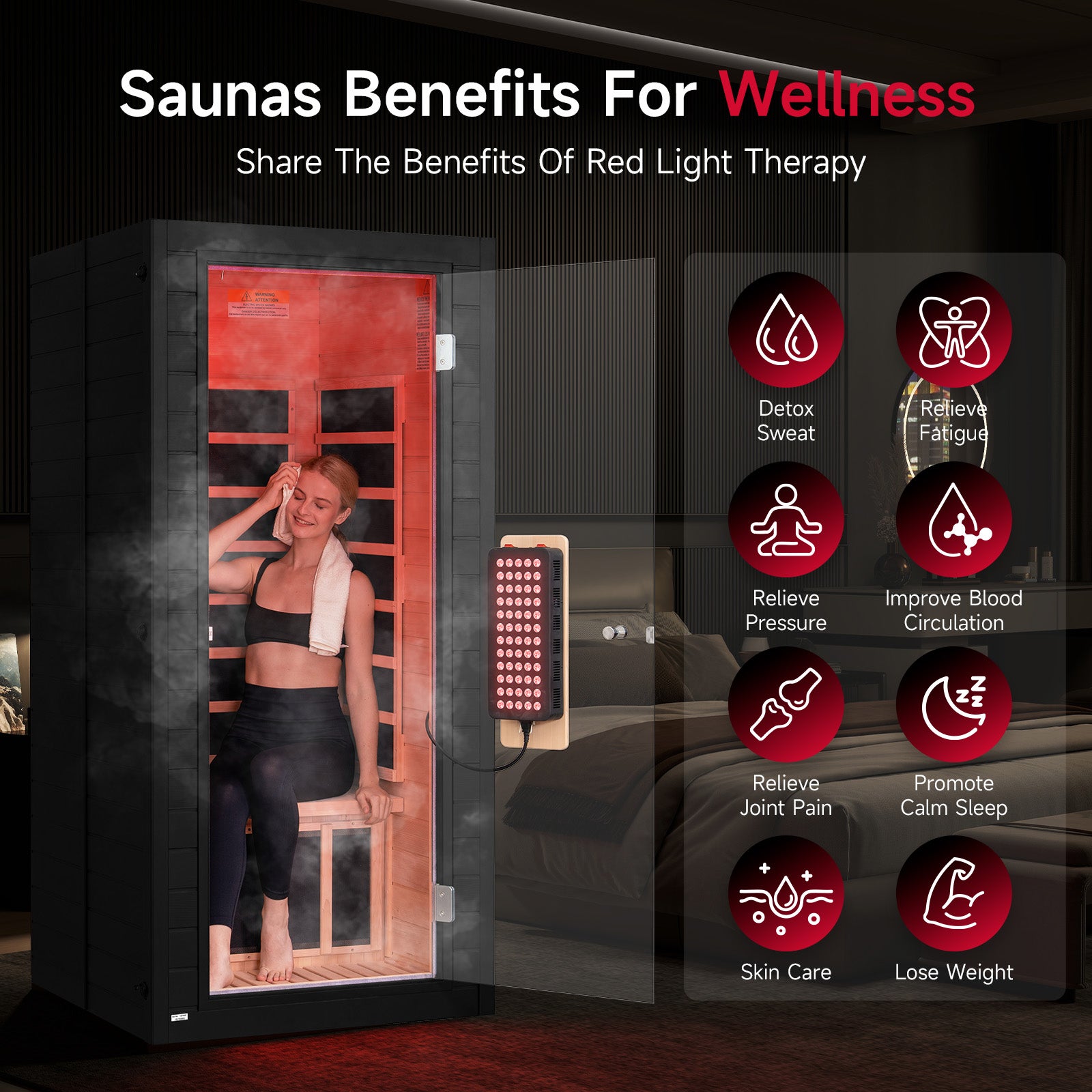
Springspa full spectrum infrared sauna with red light therapy lamp and benefits
Brands like Springspa often design these systems as a full routine rather than just a heat box—light, heat, sound, and air features working together—so small habits like shower timing actually help everything feel more cohesive.
A simple way to think about it
You don’t really need to treat this as a strict rule. The sauna doesn’t “require” a shower either before or after. But your body responds better when the process feels clean, gradual, and intentional.
A quick rinse before helps you start fresh. A shower after helps you reset. Together, they turn a simple sauna session into something that feels noticeably more complete without adding any extra effort. And once you’ve used it a few times, your routine usually settles into a rhythm that feels natural—no overthinking needed.














Share:
Full Spectrum Infrared Sauna: Before or After Exercise? and Why?
Why Do Users Feel Uncomfortable During an Infrared Sauna Session?