


If you’ve recently added a full spectrum infrared sauna to your wellness routine, one question probably comes up pretty quickly: should you use it before your workout or after?
It sounds like a small detail, but timing actually makes a big difference. The way your body responds to infrared heat before exercise is very different from how it responds after training. For people using a home infrared sauna like the ones from Springspa, understanding the best timing helps you get more benefits—whether your goal is muscle recovery, relaxation, flexibility or simply feeling better after a long day.
The short answer? For most people, using a full spectrum infrared sauna after exercise is usually the better choice. But there are situations where using it before exercise also makes sense.
Let’s talk about why.
What Is a Full Spectrum Infrared Sauna?
Unlike traditional steam saunas that heat the air around you, a full spectrum infrared sauna uses infrared wavelengths to warm the body more directly.
This usually includes:
- Near infrared
- Mid infrared
- Far infrared
These different wavelengths penetrate the body at different depths, helping create a gentler and more comfortable heating experience compared to very hot traditional saunas.
Many modern home sauna brands, including Springspa, use this full spectrum design because it supports both relaxation and daily wellness without the intense heavy heat people often associate with old-school saunas.
The National Center for Biotechnology Information (NCBI) has discussed how infrared sauna therapy may support cardiovascular function, relaxation, and recovery through heat exposure: https://www.ncbi.nlm.nih.gov/pmc/articles/PMC5941775/

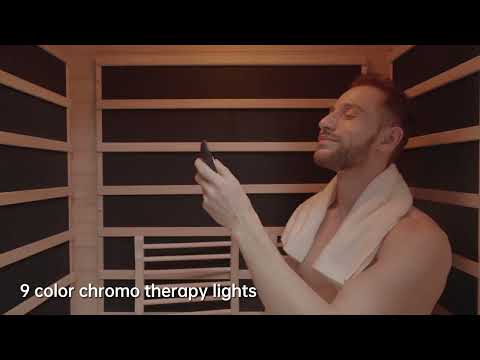
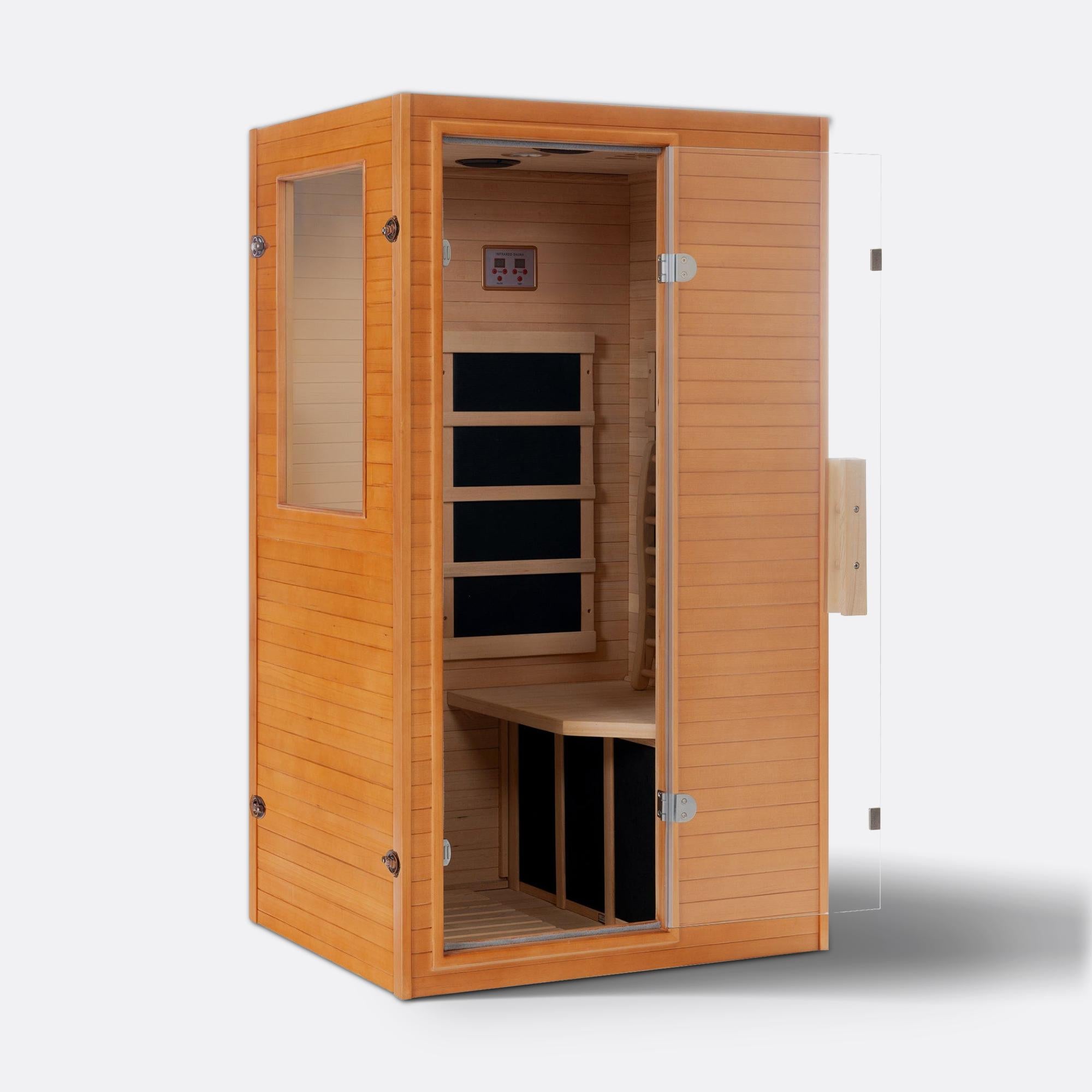
Springspa full spectrum infrared sauna: far infrared from 6 infrared heater panels, along with 660nm red light therapy and 850nm near-infrared (NIR) therapy from the red light lamp.
Why Using It After Exercise Usually Works Better
After a workout, your body enters recovery mode.
Your muscles are warm, your heart rate is elevated, and your body starts repairing the small stress caused by training. This is where infrared sauna sessions can fit in really well.
The gentle heat helps improve circulation, which may support nutrient delivery and recovery. Better blood flow can also help reduce that stiff, heavy feeling after strength training or long cardio sessions.
The Cleveland Clinic also notes that sauna use may help with muscle relaxation, circulation, and stress reduction when used properly: https://health.clevelandclinic.org/infrared-sauna-benefits
Another reason people prefer post-workout sauna sessions is mental recovery. Exercise can be physically tiring, but it can also leave your nervous system “switched on.” Sitting in a quiet infrared sauna helps the body shift into a calmer state.
That’s one reason many Springspa users say their sauna becomes part of their evening recovery routine rather than part of their warm-up.
Can You Use It Before Exercise?
Yes—you can.
A short infrared sauna session before exercise may help loosen stiff joints and tight muscles, especially in colder weather or early morning workouts.
If you usually feel slow or tight before training, five to ten minutes in a full spectrum infrared sauna can create a gentle warm-up effect.
This can be especially helpful for:
• Light stretching sessions
• Yoga
• Mobility work
• Low-intensity cardio
• Recovery walks
But longer sauna sessions before intense exercise are usually not the best idea.
Too much heat before heavy lifting, running, or sports training can leave you feeling tired before you even begin. It may also increase dehydration risk, which can hurt performance. The American Council on Exercise discusses how dehydration affects exercise performance and recovery. That’s why pre-workout sauna sessions should stay short and light.
Infrared Sauna vs Traditional Sauna for Exercise Recovery
Traditional saunas are hotter and rely on heating the surrounding air. Full spectrum infrared saunas feel gentler because the heat works more directly on the body.
That difference matters after exercise. Right after an intense workout, many people find traditional saunas feel too aggressive, especially if they’re already overheated. Infrared saunas are often easier to tolerate because the heat feels softer and less overwhelming.
This makes products like Springspa full spectrum infrared saunas more practical for regular post-workout use at home. You still sweat, relax, and warm the muscles—but without feeling like you’re sitting inside an oven.
What About Weight Loss?
A lot of people ask if using an infrared sauna after exercise helps burn more calories. Technically, sauna sessions do increase heart rate and energy expenditure slightly, but they should never replace real exercise. Most of the immediate “weight loss” people notice after sauna use is water loss through sweating, not body fat reduction. Harvard Medical School explains that sauna weight loss is mostly temporary water weight unless paired with long-term healthy habits.
So yes, infrared sauna sessions can support an active lifestyle, but recovery and consistency matter much more than chasing sweat.
How Long Should You Stay Inside?
For most people, 15 to 20 minutes after exercise is a comfortable starting point. If you’re new to infrared saunas, shorter sessions are better. Your body needs time to adjust. You don’t need extreme heat or super long sessions to get benefits. Consistency matters more.
With a home setup like Springspa, many people simply use the sauna three to five times per week after workouts rather than trying to stay inside for long marathon sessions. That routine is usually easier to maintain and feels much better.

You can control the session time and tempature
Important Safety Tips
• Even though infrared saunas feel gentler, they still raise body temperature, so hydration matters.
• Drink water before and after your session, especially if you’ve just finished cardio, strength training, or sports practice.
• Avoid sauna use immediately after extremely intense exercise if you feel dizzy, overheated, or exhausted. Give your body a little time first.
• People with heart conditions, blood pressure concerns, or heat sensitivity should also talk to a healthcare professional before regular sauna use.
And if you’ve been drinking alcohol, skip the sauna. Heat and dehydration are not a good combination.So, Before or After?
For most people, after exercise wins. That’s when a full spectrum infrared sauna helps most with muscle relaxation, circulation, recovery and stress relief. It becomes part of the cool-down process rather than something that drains your energy before training.
Before exercise can still work—but mainly for short warm-up sessions, mobility work, or gentle stretching.
If your goal is better recovery, better sleep, and less soreness, post-workout sessions are usually the smarter move. That’s exactly why many people choose a home setup like Springspa. It turns recovery into something simple and consistent instead of something you only do once in a while.
And honestly, ending your workout with quiet heat, relaxed muscles, and no rush to leave the house feels pretty hard to beat.














Share:
Is infrared sauna therapy safe for children and elderly users?
Should You Shower Before or After an Infrared Sauna Session?