

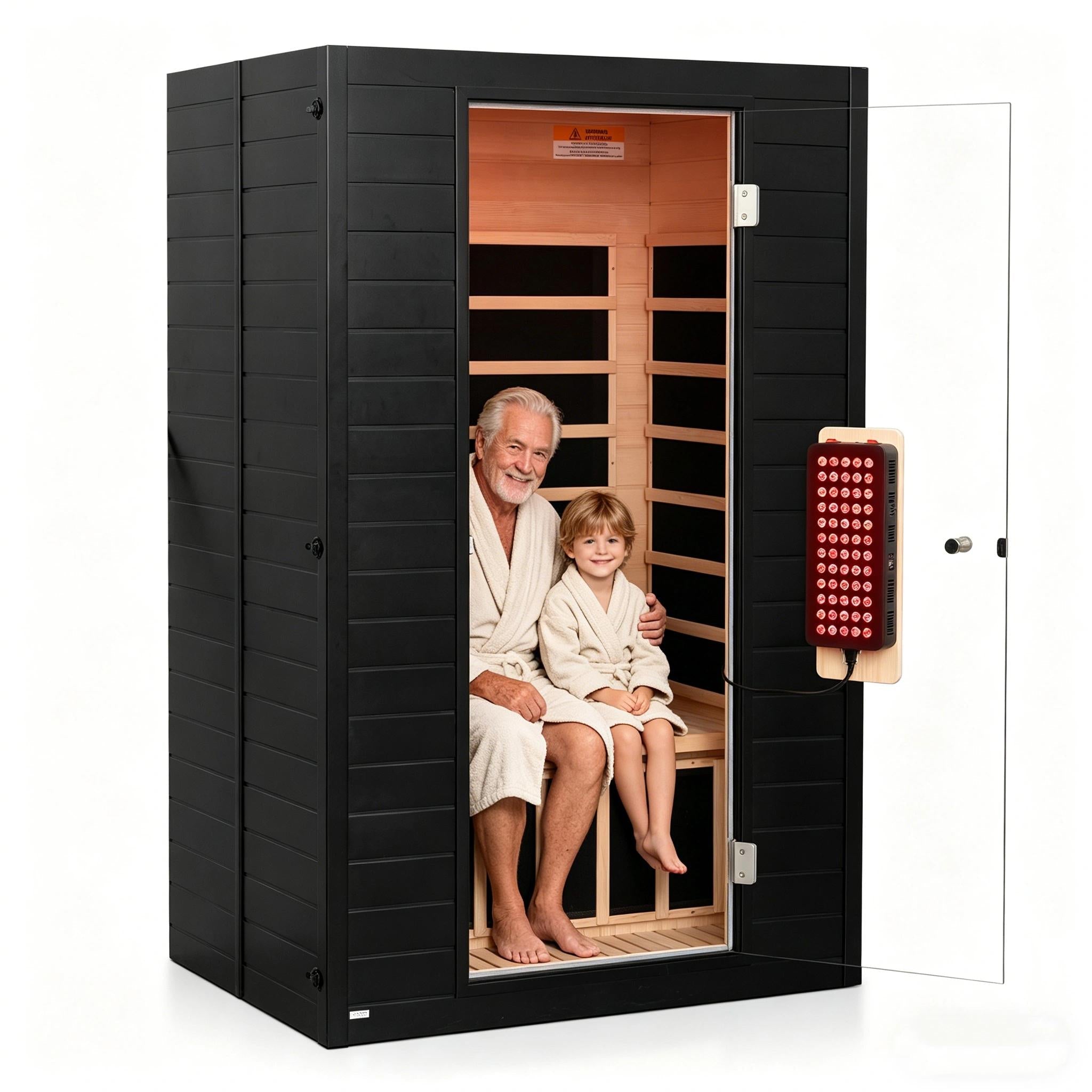
Infrared sauna therapy has quietly moved from spa-only luxury into everyday home wellness routines. You’ll now see compact wooden sauna rooms in apartments, villas, and even small fitness corners at home. Many of them come with features like LED chromotherapy lights, Bluetooth speakers, oxygen ionizers, and red light panels that combine relaxation with a bit of tech comfort.
A popular question comes up again and again: is this kind of heat therapy actually safe for children and elderly users?
The short answer is yes, but only under the right conditions. The longer answer is where things get important, because age really changes how the body handles heat.

How infrared sauna heat actually interacts with the body
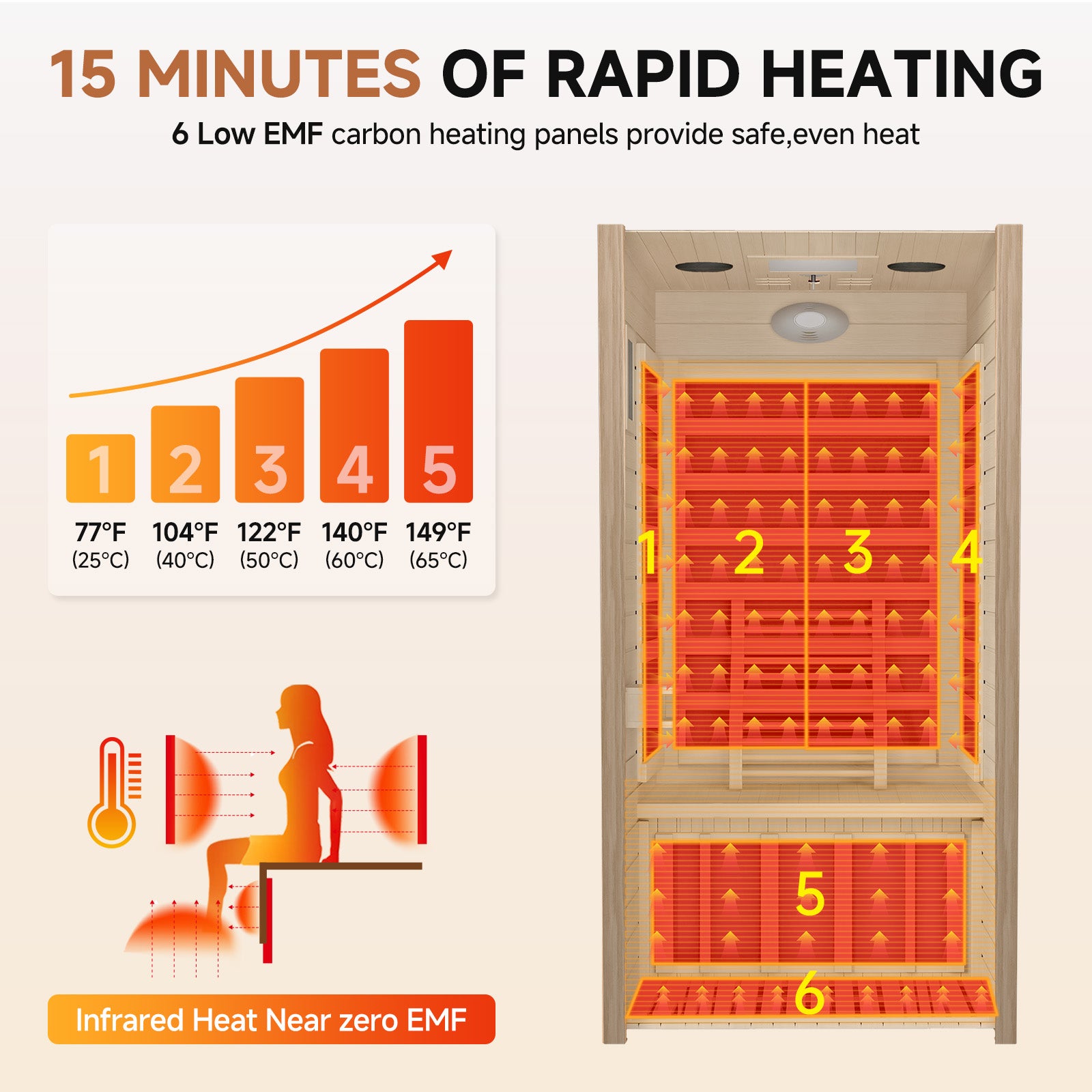
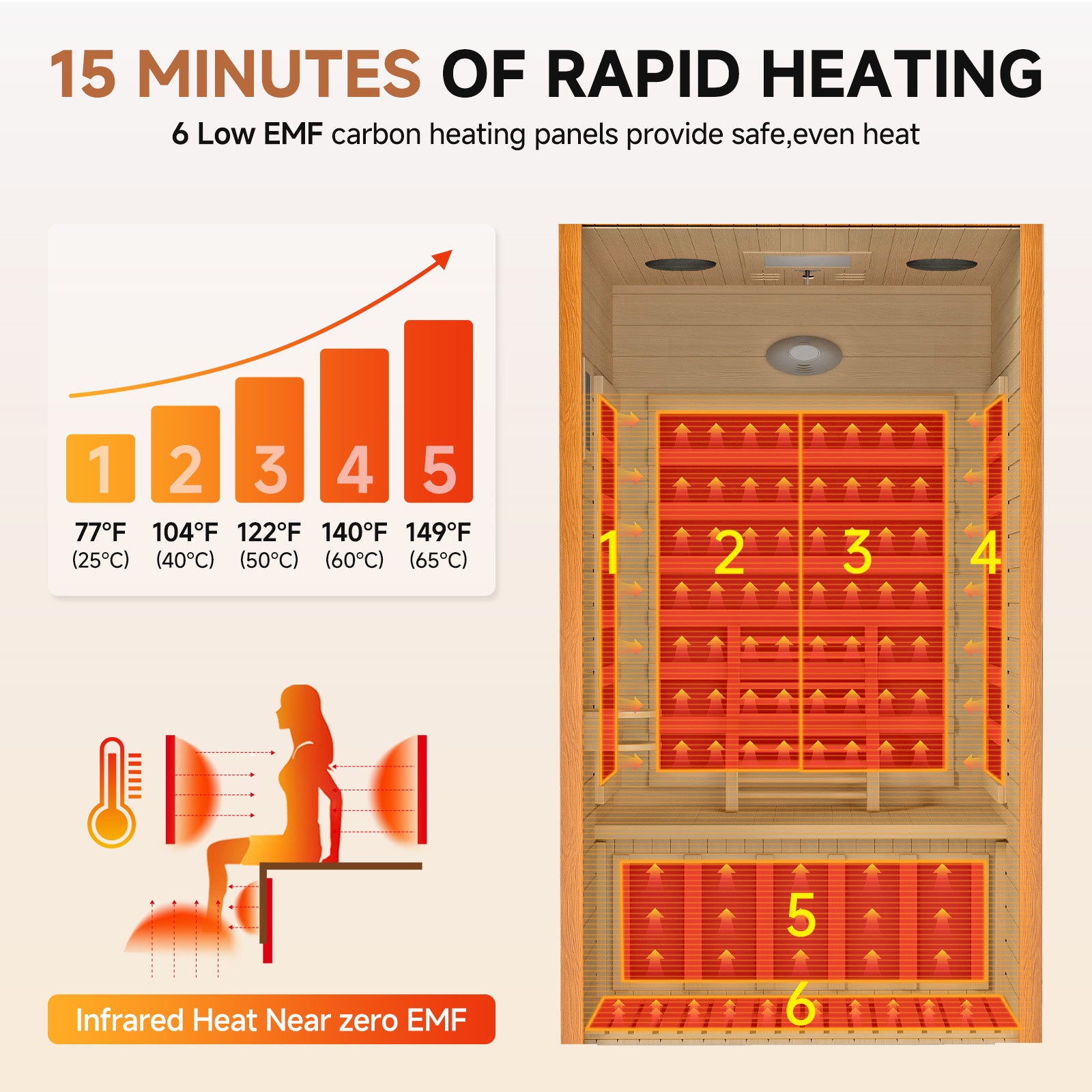
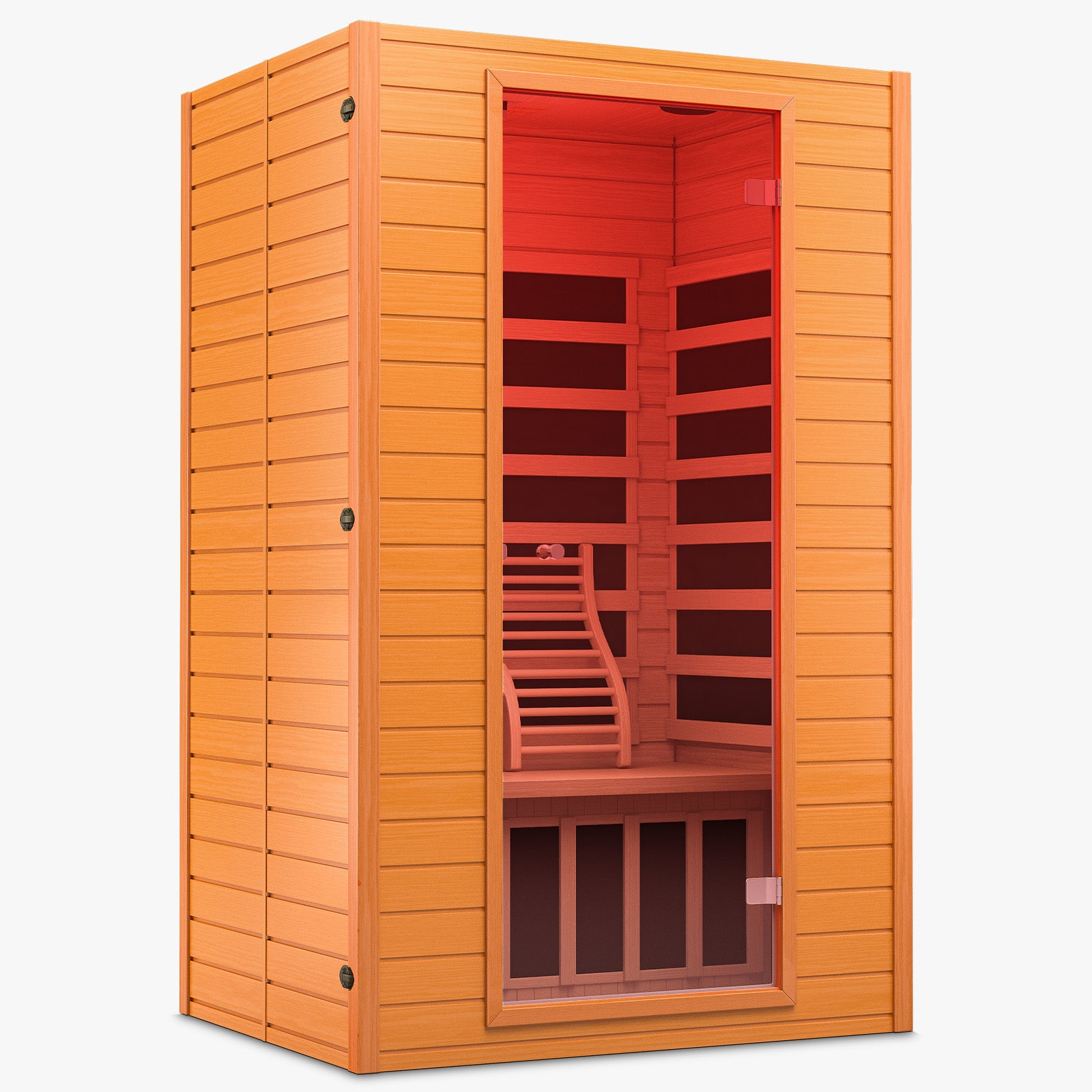
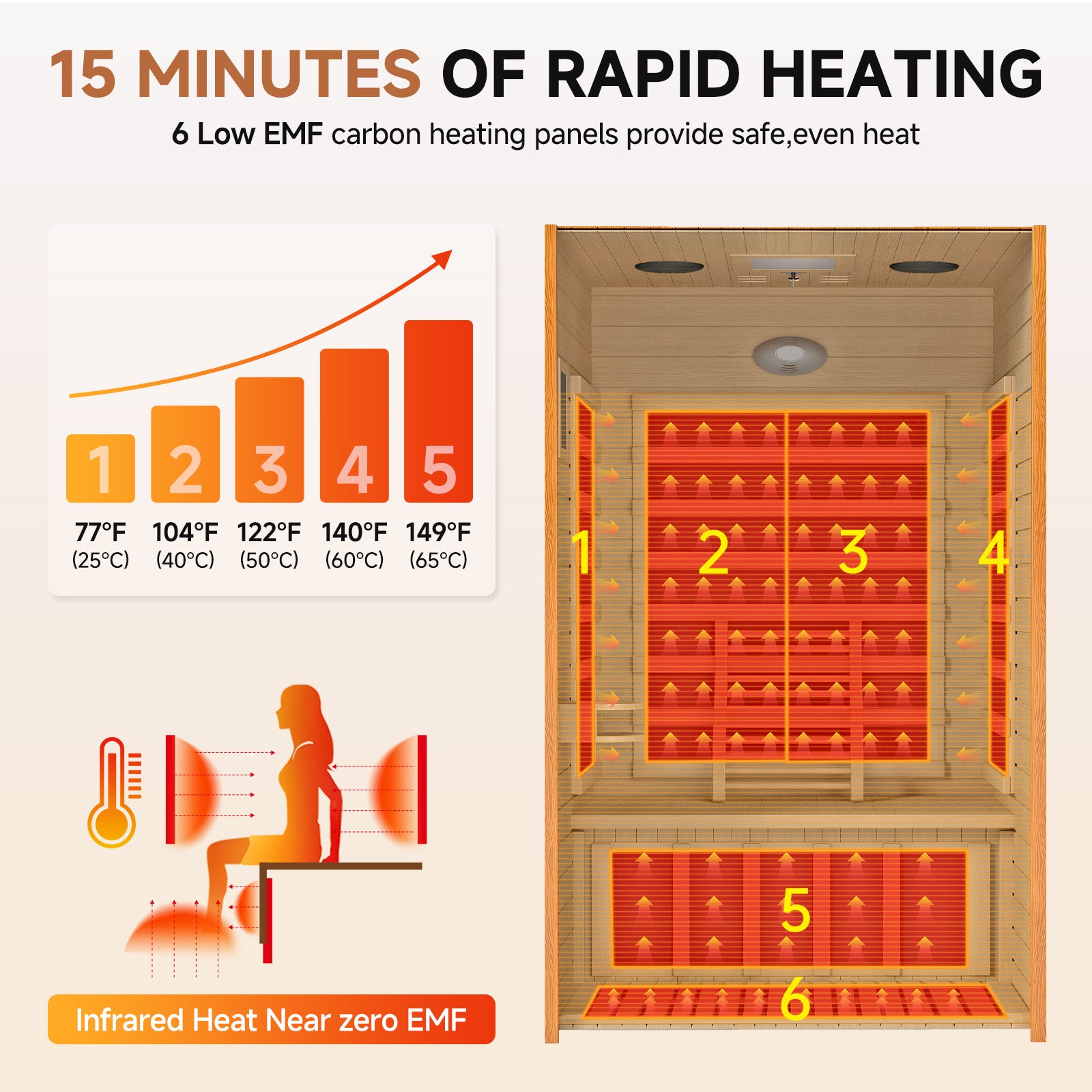
Unlike traditional steam saunas that heat the air around you, infrared saunas use infrared light to warm your body directly. In most home sauna cabins—like modern 1–2 person wooden units such as those designed in the SpringSpa wellness style—the temperature typically ranges from room level up to around 149°F (65°C).
That “gentle heat” feeling is exactly why people like it. It doesn’t feel suffocating like steam rooms. But even if it feels comfortable, your body is still reacting internally: heart rate goes up, circulation increases, and you start sweating to cool down.
The Mayo Clinic explains that sauna exposure increases core body temperature and places mild stress on the cardiovascular system, especially when sessions are too long or hydration is not maintained. So even though infrared feels softer, your body is still working hard in the background.

Kids and infrared sauna use: why extra caution matters
Children can technically enter an infrared sauna, but they are definitely a sensitive group when it comes to heat exposure.
The reason is simple: their bodies don’t regulate temperature as efficiently as adults. They heat up faster, cool down slower, and often don’t notice early warning signals like dizziness or fatigue.
In real-life use, especially with enclosed sauna rooms that include features like control panels, timers, and built-in heating systems, manufacturers usually include strict guidance: children should only use the sauna with adult supervision, and never alone.
According to the U.S. Centers for Disease Control and Prevention (CDC), children are more vulnerable to heat-related illness because their bodies absorb heat faster and struggle more with cooling: https://www.cdc.gov/heat-health/hcp/clinical-overview/heat-children-asthma.html
That’s the key point—what feels “mild” to an adult might already be too much for a child.
If children are allowed to use infrared sauna therapy at all, it’s usually very short sessions, lower temperature settings, and always with an adult nearby watching closely. It’s not about tolerance training; it’s about avoiding overheating altogether.

Elderly users: where infrared sauna can actually help
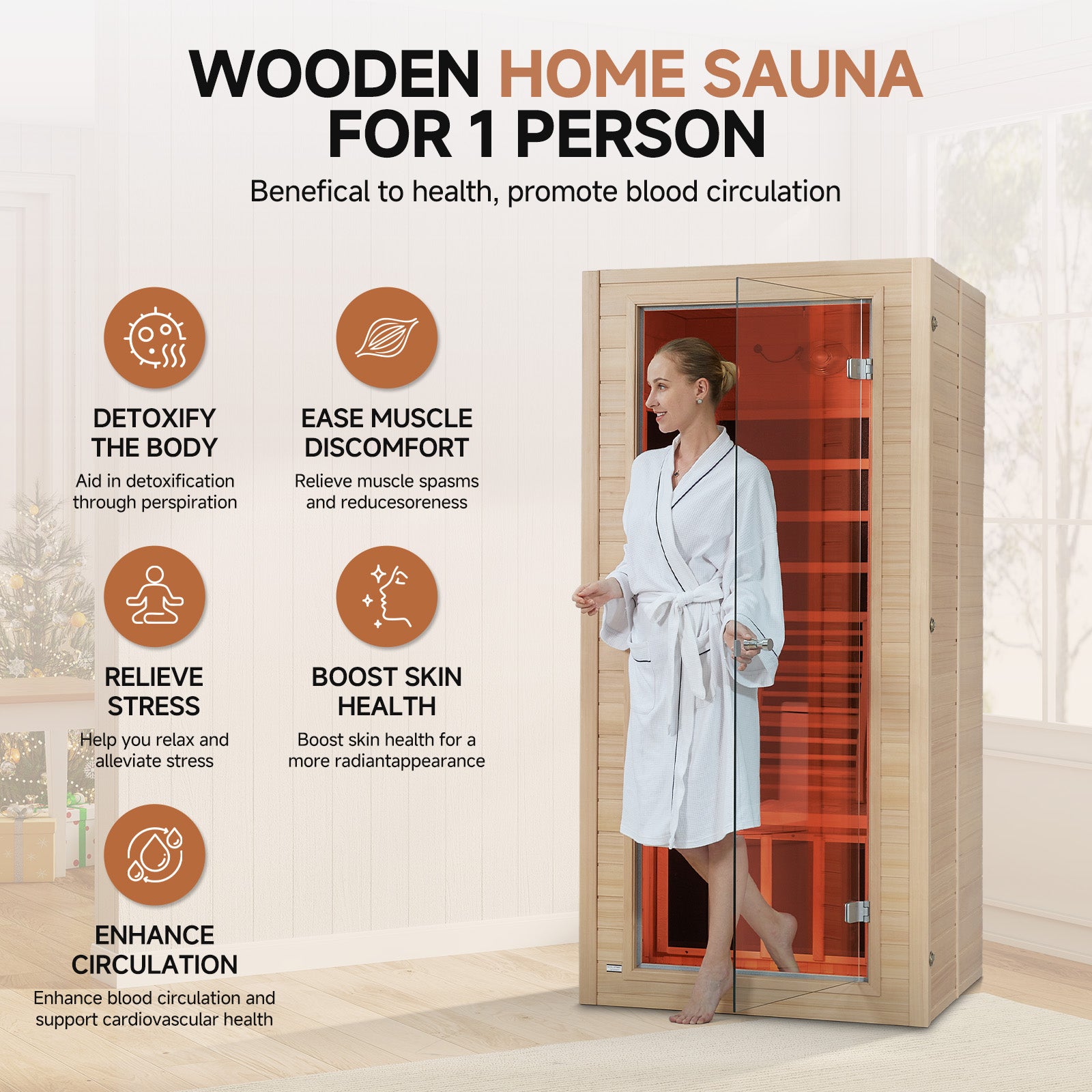
For older adults, infrared sauna therapy is often more accepted and can even be beneficial when used properly. Many people in this age group use it for muscle relaxation, joint comfort, and general stress relief.
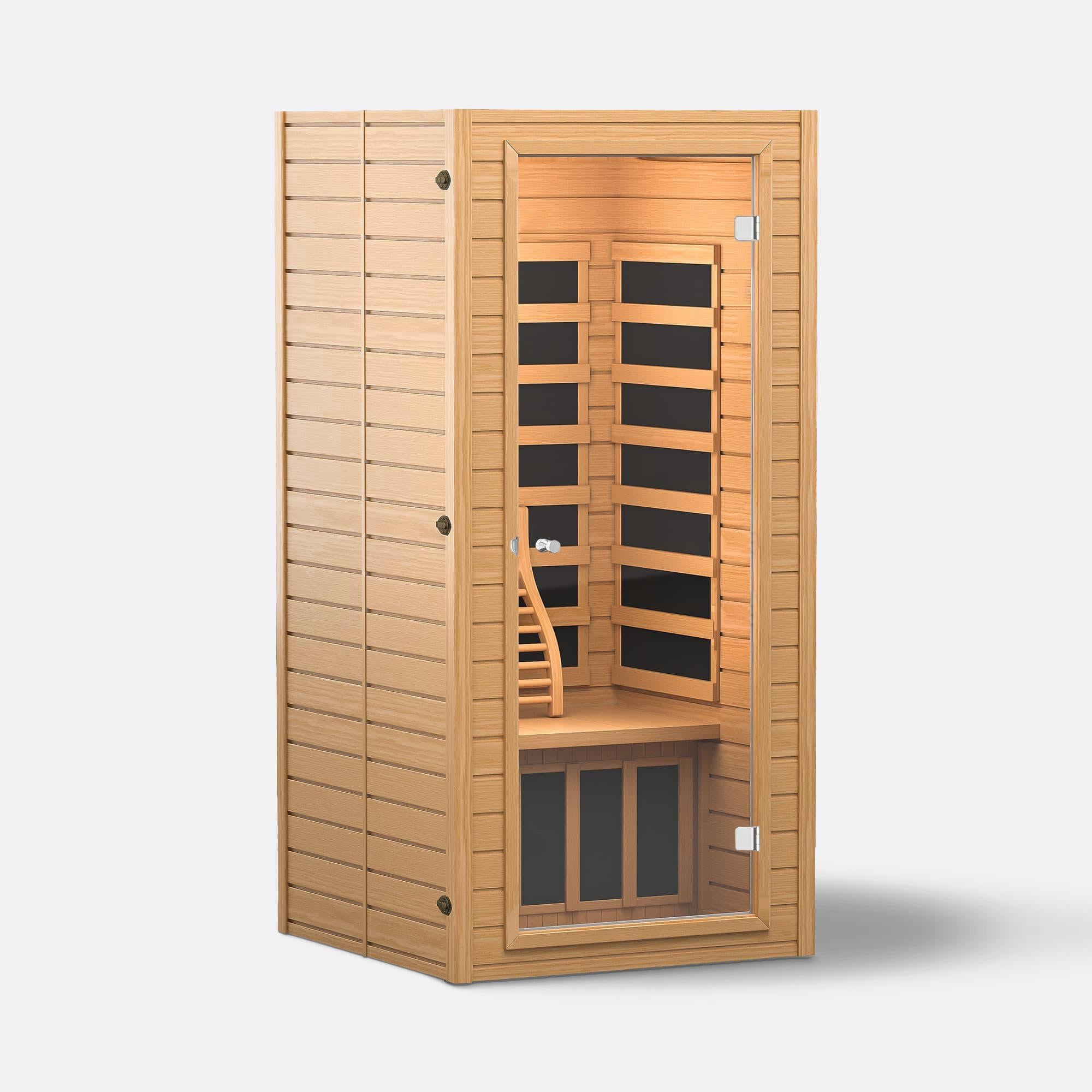
The gentle heat can feel especially nice on stiff joints or tight muscles after a long day. That’s why many home wellness setups—including Springspa sauna rooms with comfortable seating, soft lighting, and adjustable temperature controls—are popular in households with older users.
But aging changes how the body reacts to heat. Blood pressure can shift more easily, dehydration happens faster, and some medications affect temperature regulation.
This is why moderation matters more than intensity.
Harvard Health Publishing notes that sauna use may support cardiovascular relaxation and overall well-being, but individuals with heart conditions or blood pressure concerns should approach it carefully and seek medical advice: https://www.health.harvard.edu/heart-health/can-regular-sauna-sessions-support-a-healthy-heart
In everyday use, elderly users tend to benefit most from shorter sessions, moderate heat settings, and consistent hydration before and after sauna time.

Why hydration and timing make a bigger difference than people expect
One thing that often surprises first-time users is how much fluid loss happens during sauna sessions. Even in modern infrared sauna cabins that include oxygen ionizers, Bluetooth music systems, LED color therapy, and red light panels (often using 660nm red light and 850nm near-infrared light), sweating still plays a major role in cooling the body.


Springspa full spectrum infrared sauna with red light therapy and USB/AUX/FM/Bluetooth
Audio System
The World Health Organization (WHO) highlights that heat exposure combined with dehydration increases the risk of heat stress, especially in vulnerable groups: https://www.who.int/news-room/fact-sheets/detail/climate-change-heat-and-health
That’s why sauna timing matters so much. Long continuous sessions aren’t usually recommended. Most home sauna systems are designed with timers (sometimes up to 99 minutes), but safety-wise, shorter and more controlled use is always the better direction.
Built-in safety features don’t replace good judgment
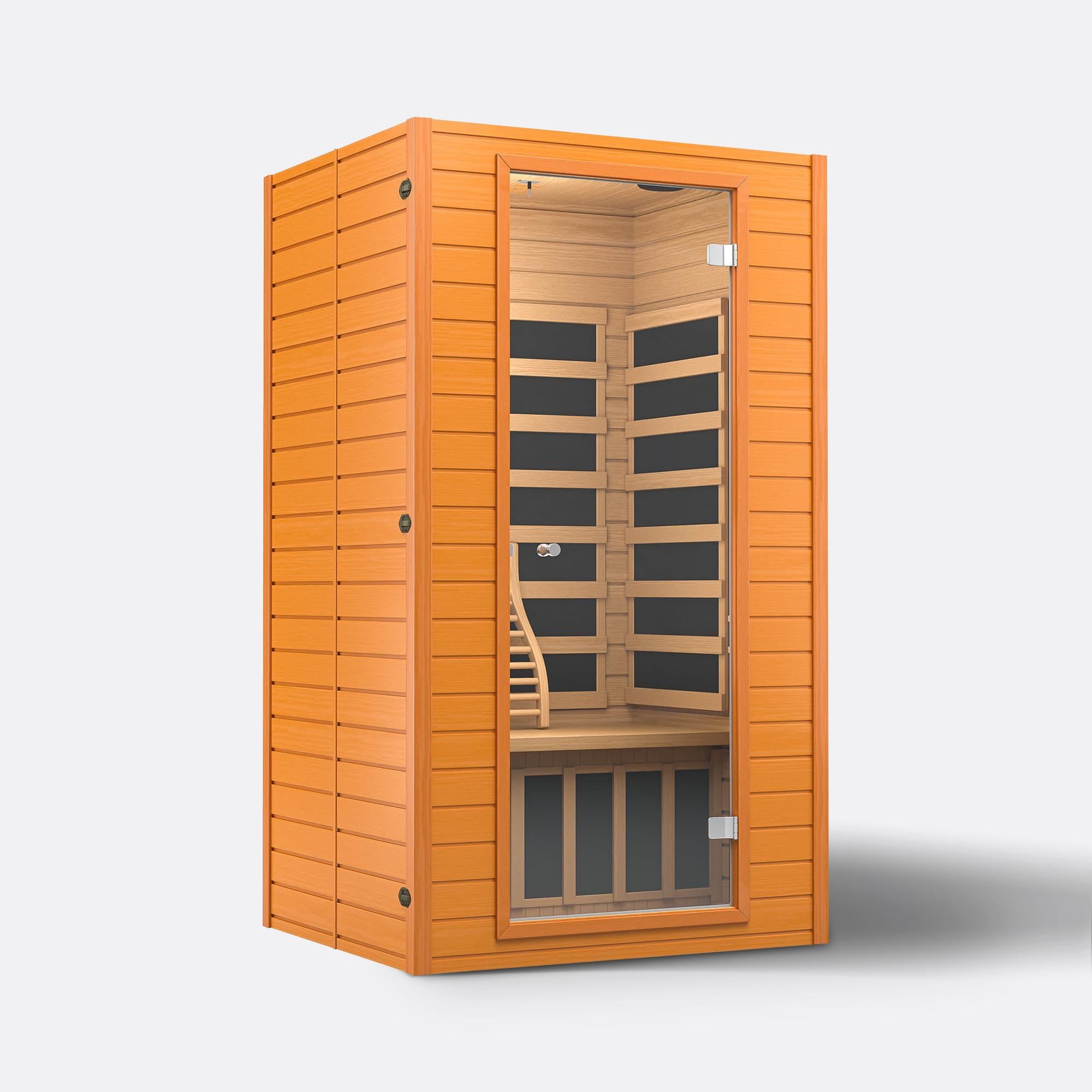
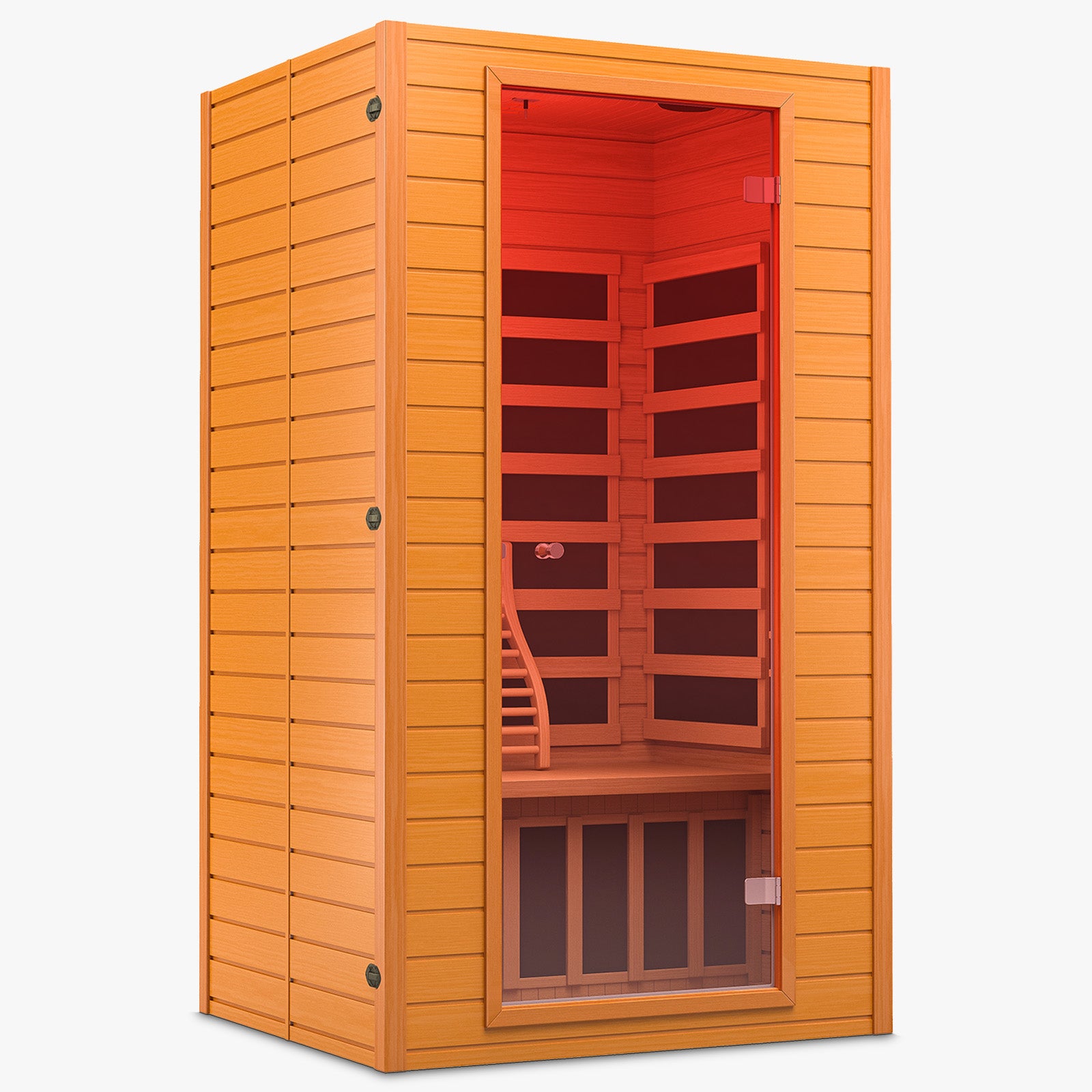
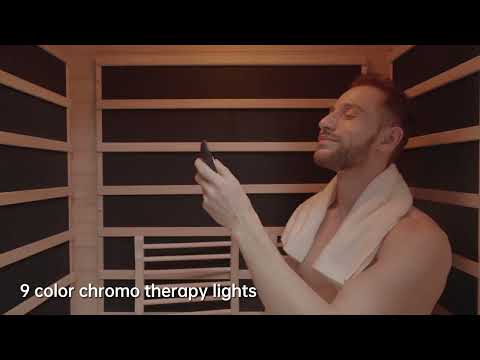
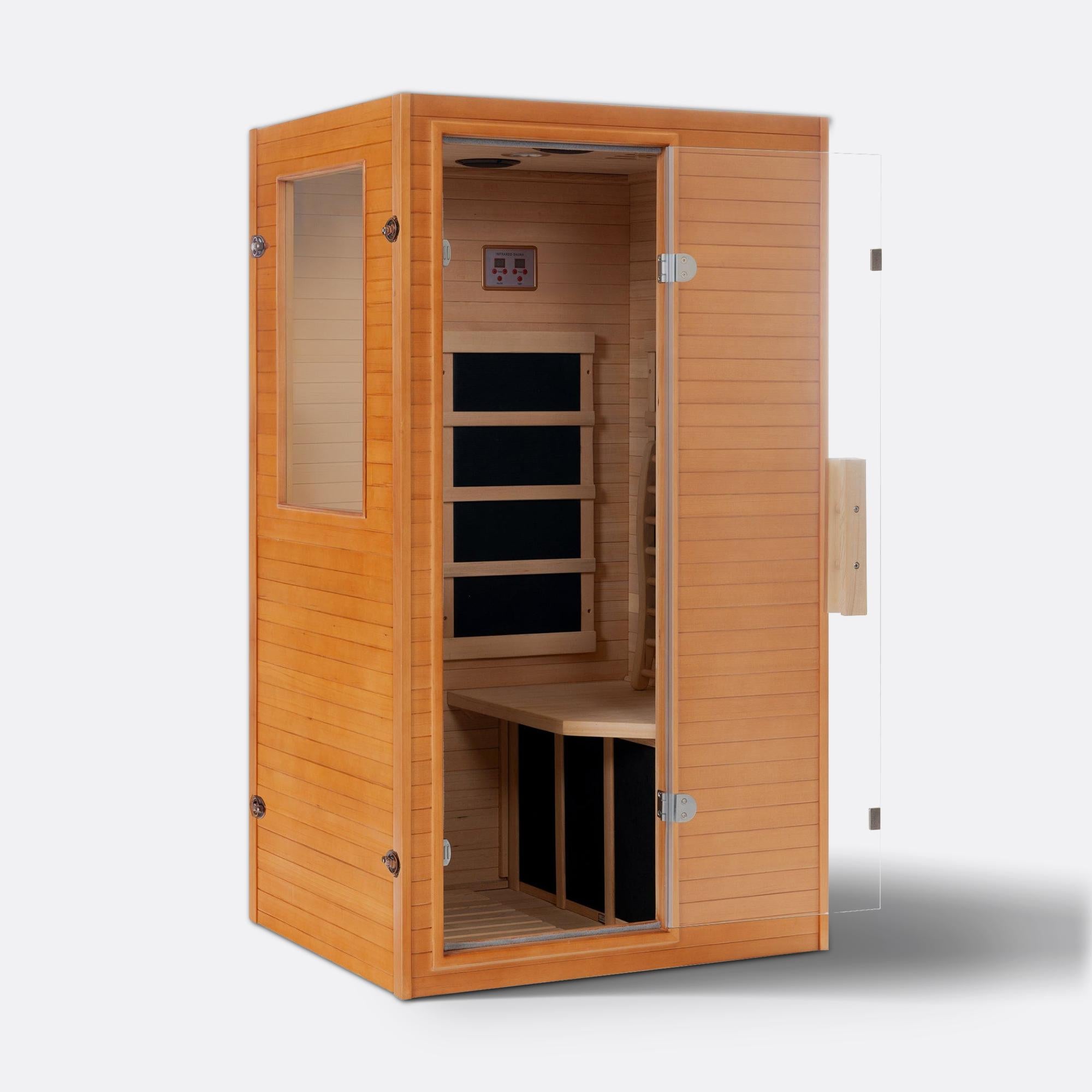
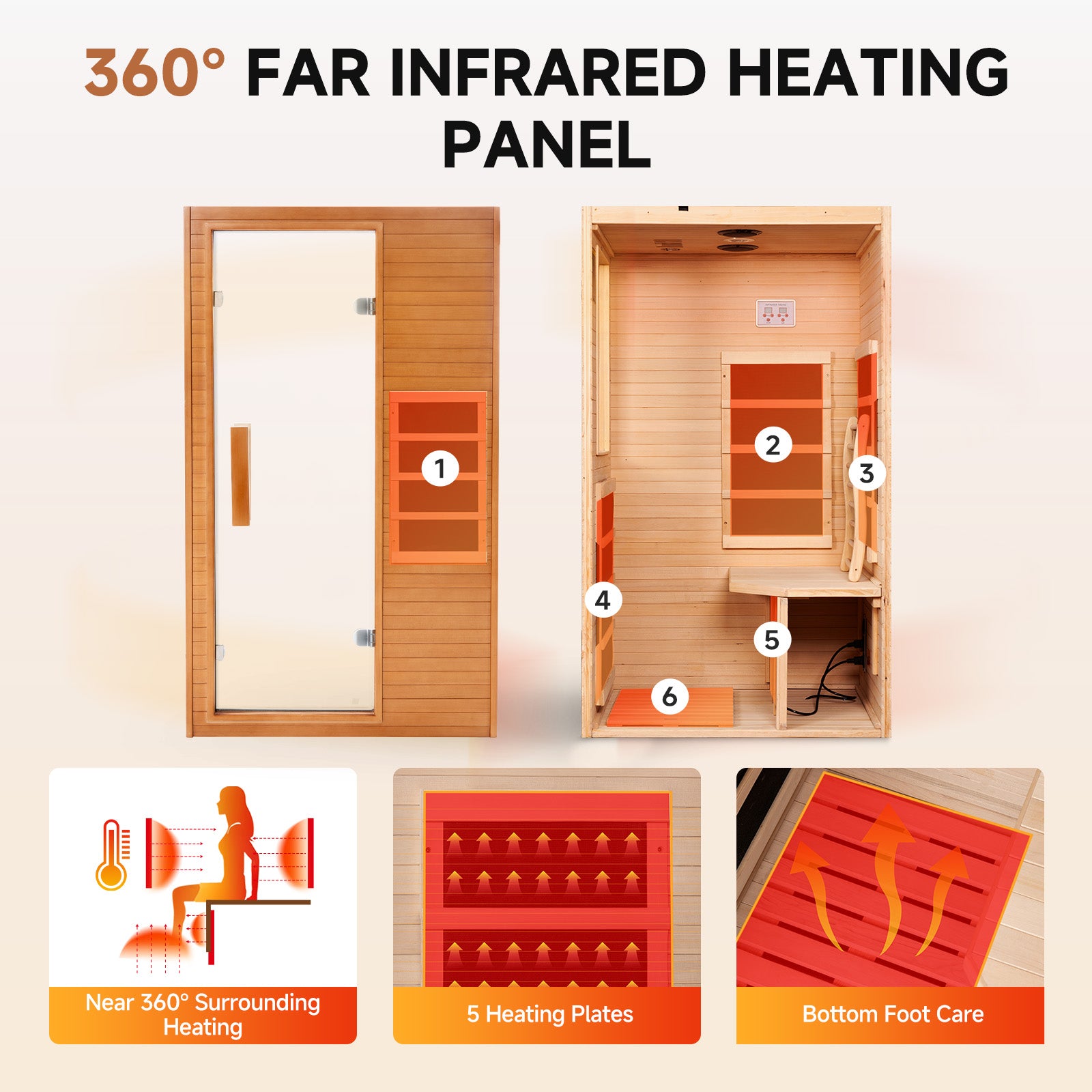
Modern infrared sauna rooms—like the kind designed in Springspa-inspired home wellness systems—often include thoughtful features: digital control panels, adjustable temperature ranges, built-in timers, Bluetooth audio, and even oxygen ionizers for added comfort.


Springspa full spectrum infrared sauna with digital control panels and oxygen ionizers
Some models also integrate red light therapy panels that are marketed for skin wellness and relaxation support.
These features definitely improve the user experience, but they don’t eliminate the need for safe usage habits.
Manufacturers usually include warnings such as:
• Do not allow unsupervised children inside the sauna
• Avoid using it when sick or dehydrated
• Stop immediately if dizziness or discomfort appears
• Do not use after alcohol or sedatives
These instructions are based on real physiological risks, not just technical precautions.
When infrared sauna use should be avoided
There are situations where sauna use is simply not a good idea for anyone, regardless of age. This includes fever, acute illness, dehydration, or being under the influence of alcohol or sedative medications.
People with cardiovascular conditions, pregnancy, or serious chronic illnesses should always consult a healthcare professional before using sauna therapy.
The American Academy of Dermatology also notes that prolonged heat exposure can sometimes cause skin reactions in sensitive individuals.
So while infrared sauna therapy is generally safe when used correctly, it’s still a form of heat stress on the body and should be treated with respect.
Well, is it safe overall?
Infrared sauna therapy can be safe for both children and elderly users, but only when it’s used with awareness of how different bodies respond to heat.
For children, safety depends heavily on supervision, very short exposure, and avoiding overheating entirely. For elderly users, it’s more about staying within comfortable heat levels, maintaining hydration, and paying attention to any health conditions.
Home sauna systems like Springspa infrared cabins make the experience more comfortable with features like temperature control, lighting modes, and audio systems. But the most important part is still how the sauna is used, not just how advanced it looks.
When used thoughtfully, infrared sauna therapy can be a relaxing wellness habit across generations—but it works best when the body is always listened to, not pushed.





Share:
Red Light Therapy Sauna Side Effects: Is Frequent Use Safe?
Full Spectrum Infrared Sauna: Before or After Exercise? and Why?