

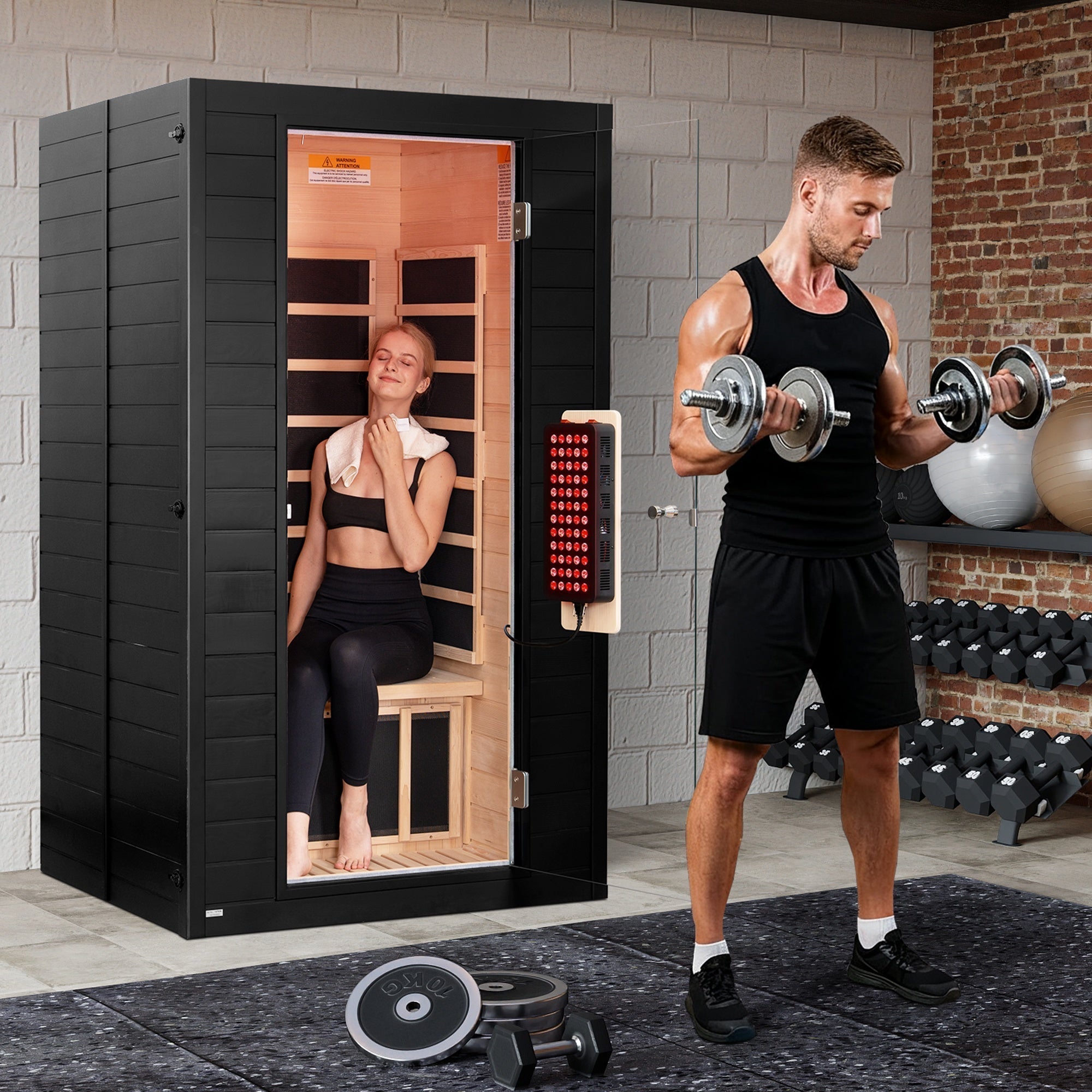
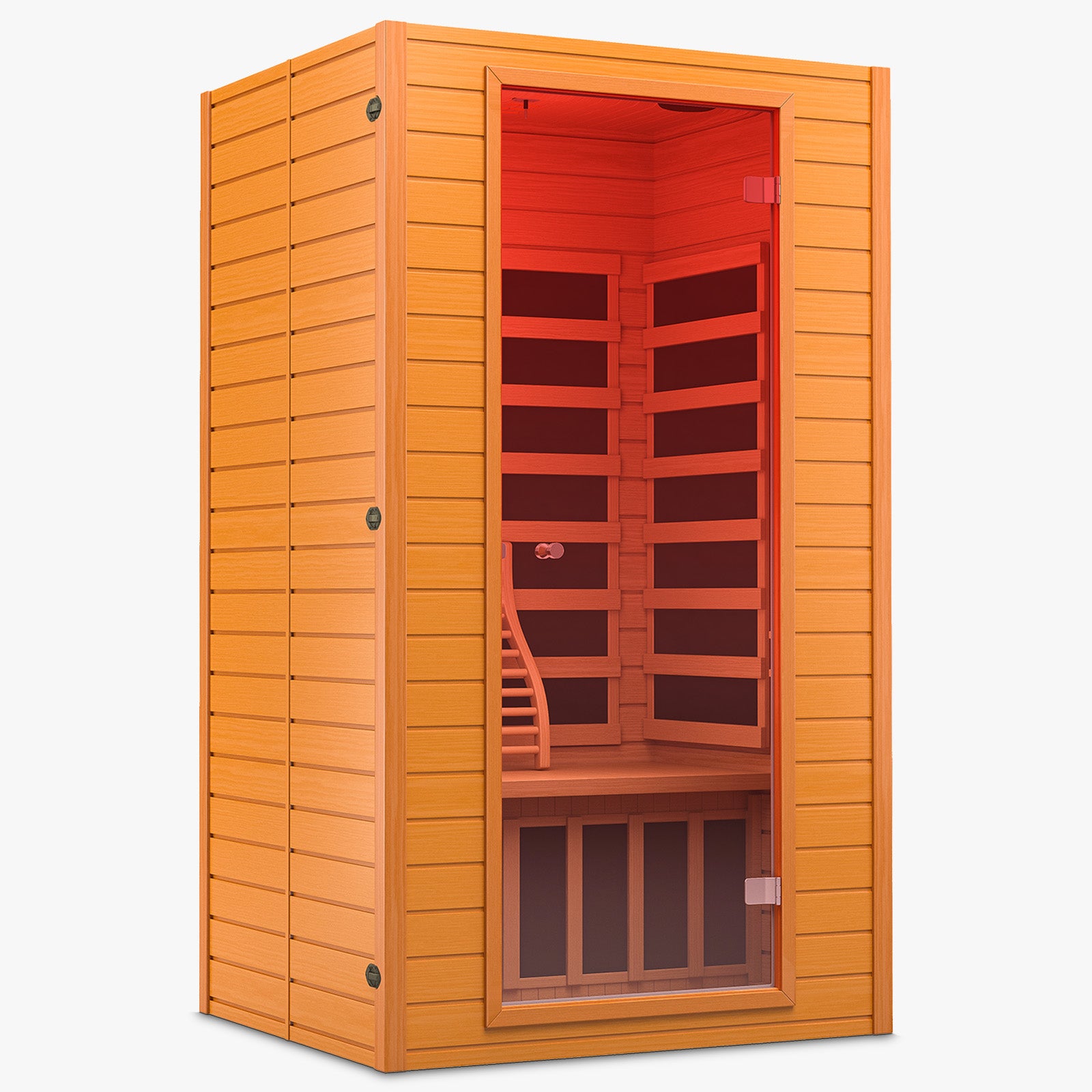
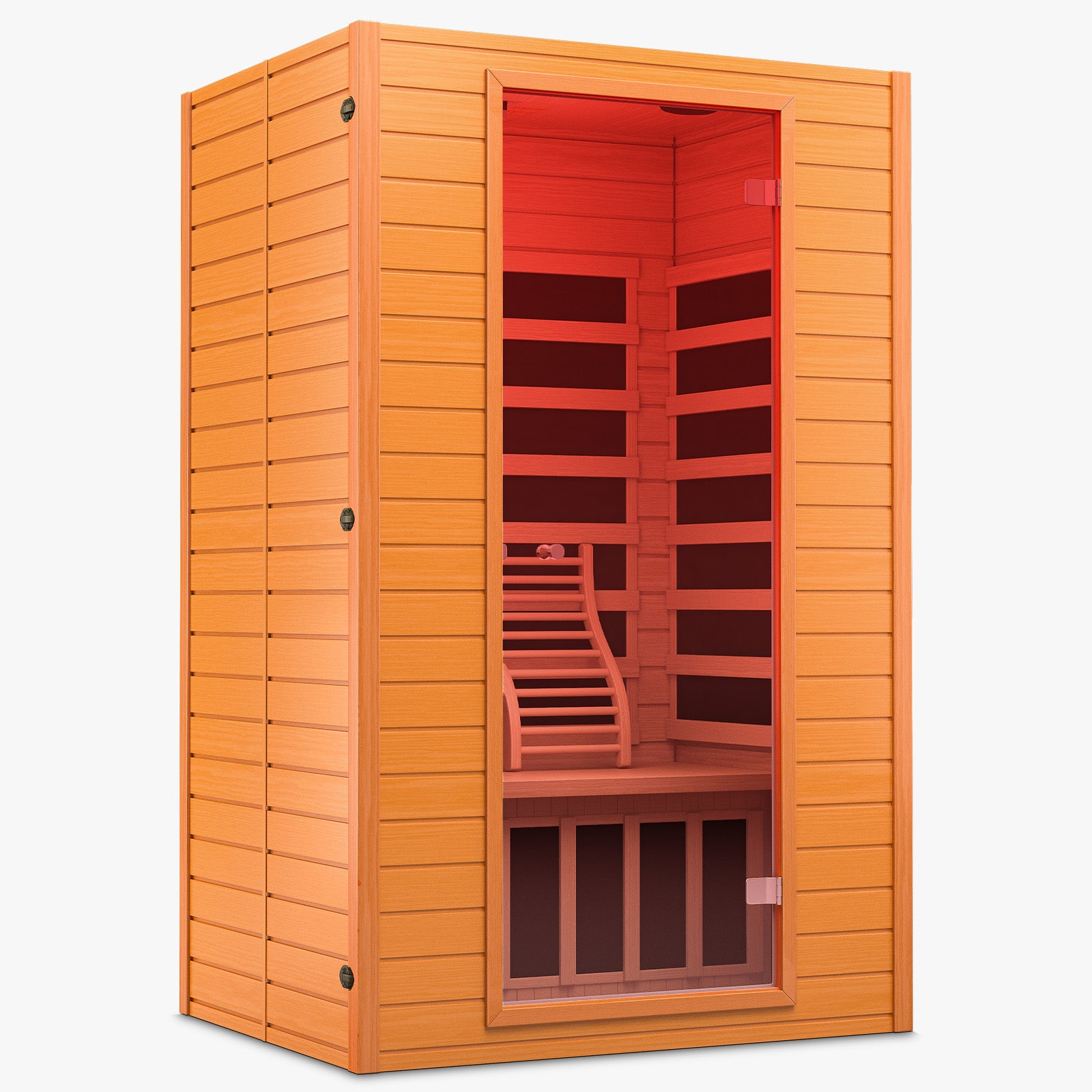
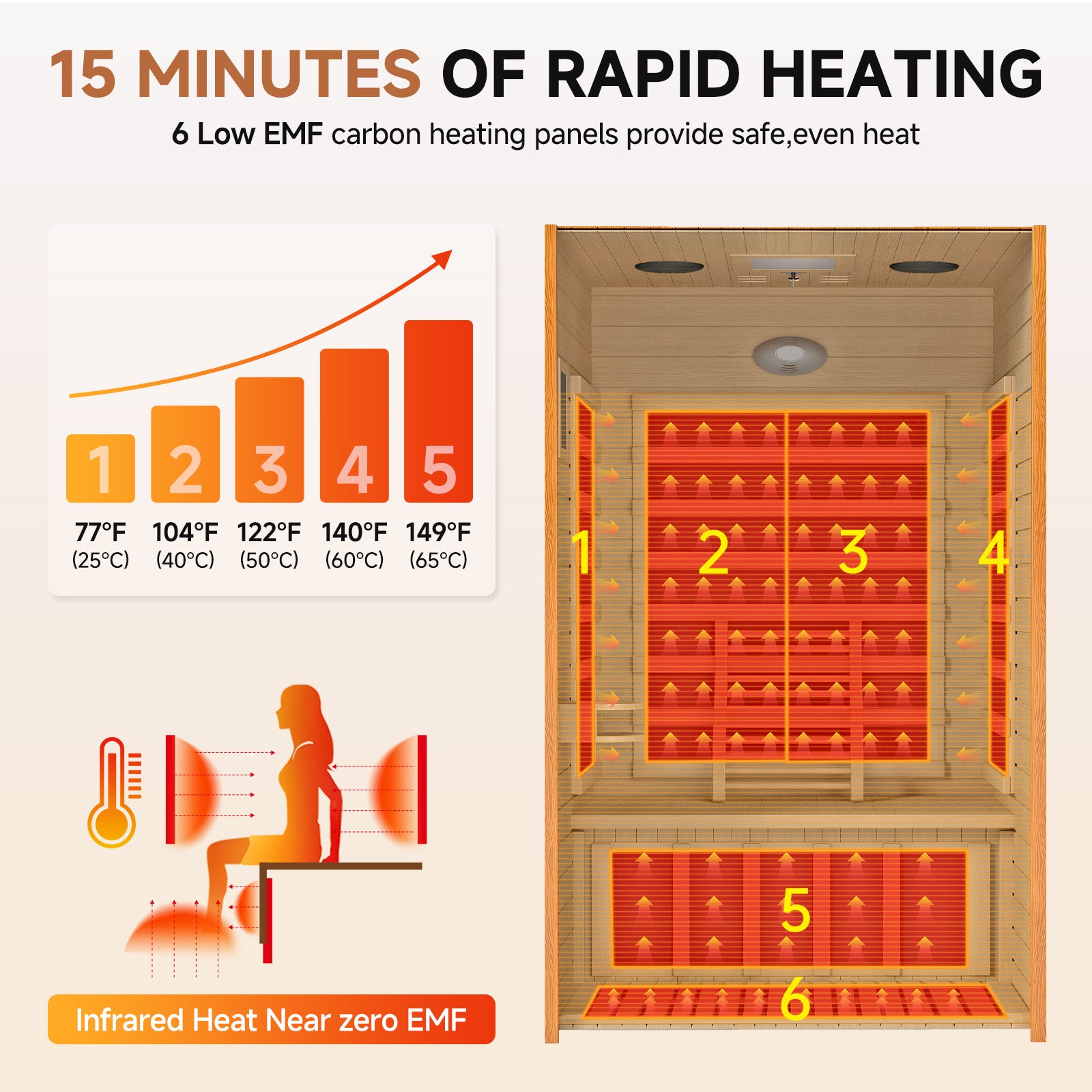
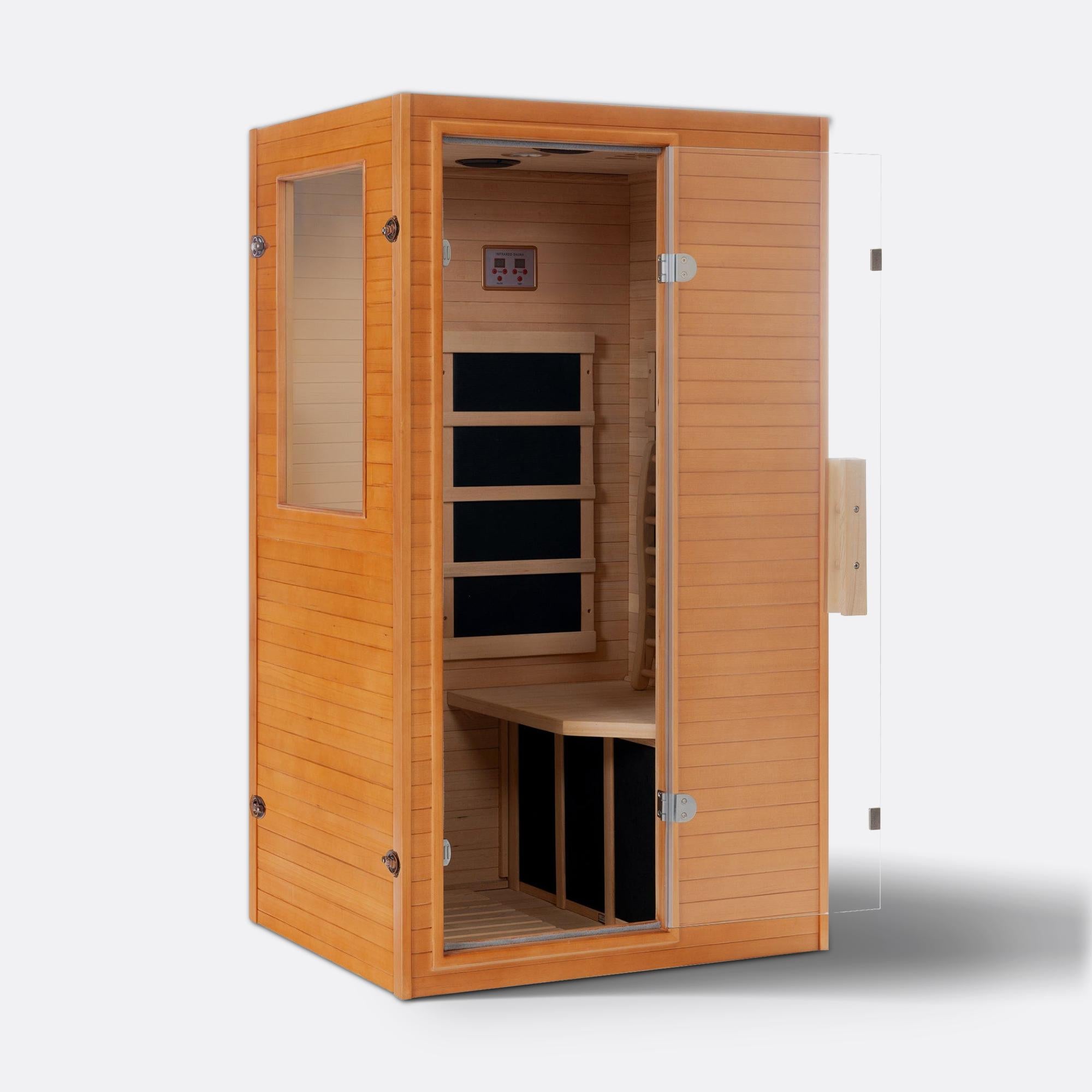
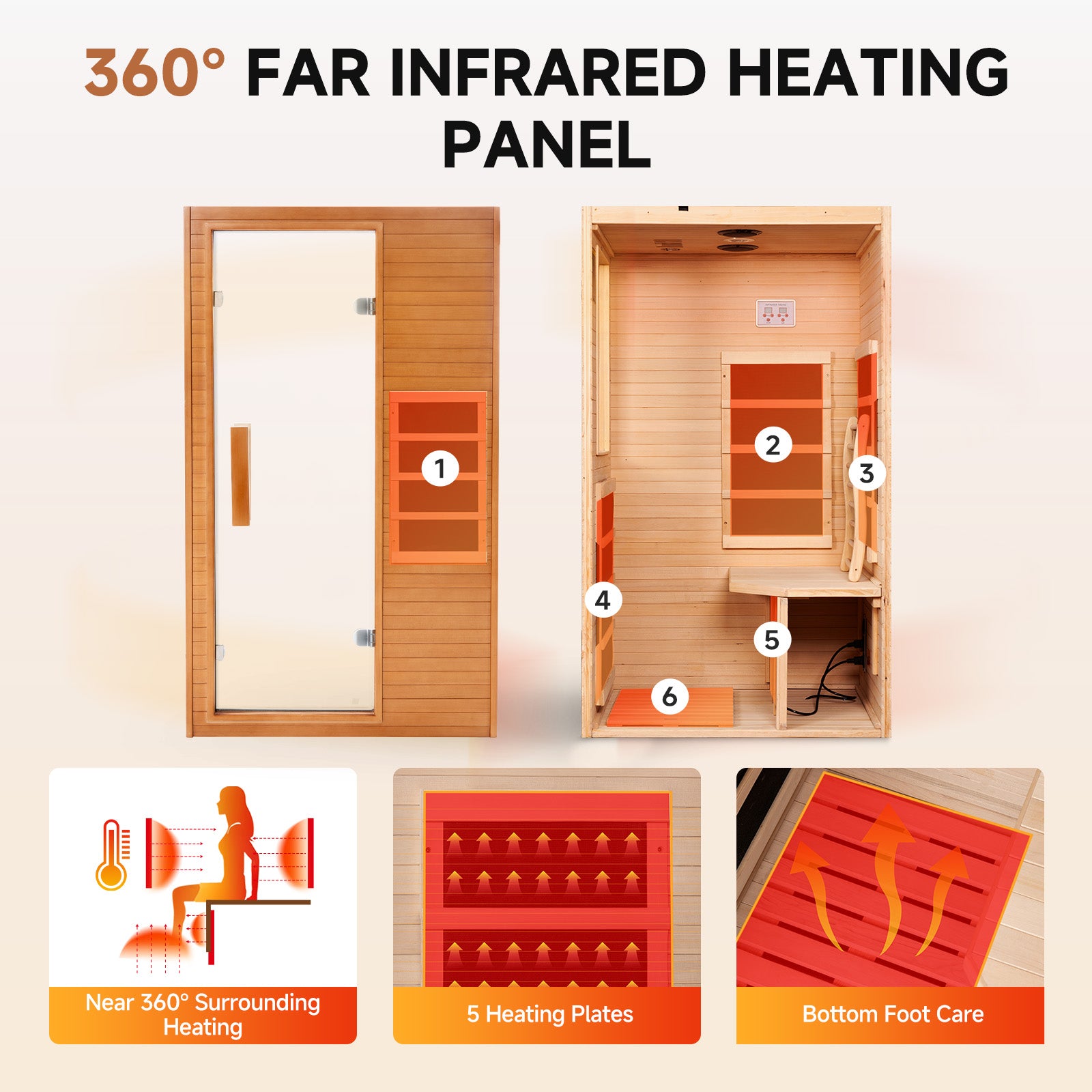
Red light therapy saunas are becoming a popular part of modern wellness routines, especially for people who want something that combines heat therapy with light-based recovery. A typical setup like a SpringSpa red light therapy sauna usually blends infrared heat, 660nm red light, and 850nm near-infrared light inside a traditional sauna cabin, creating a mixed environment of warmth and photobiomodulation exposure.
But once people start using it more often, the same question comes up: is frequent use actually safe, or can it cause side effects over time?
What a Red Light Therapy Sauna Is Doing to Your Body
A red light therapy sauna works on two levels at the same time. The infrared heat raises your core temperature and triggers sweating, while the red and near-infrared light interacts with skin and tissue at a cellular level.
This light exposure is part of what researchers call photobiomodulation, where specific wavelengths of light (commonly 660nm and 850nm) may influence mitochondrial activity and energy production in cells. A scientific review from the National Center for Biotechnology Information (NCBI) explains that red and near-infrared light can affect cellular metabolism and inflammation response in certain conditions:
https://www.ncbi.nlm.nih.gov/pmc/articles/PMC5523874/
So in simple terms, it’s not just a warm sauna experience—it’s also a low-level light stimulation process that can influence how your body feels after sessions.

SpringSpa red light lamp with medical-grade 660nm red and 850nm near-Infrared light
Is Frequent Use Safe?
In general, research suggests that red light therapy is considered low risk when used within reasonable limits. According to Harvard Health Publishing, red light therapy is typically well tolerated and does not show major safety concerns in standard use conditions:
https://www.health.harvard.edu/staying-healthy/does-red-light-therapy-work
However, when you combine it with sauna heat and use it frequently, the safety question becomes less about the light itself and more about total exposure—especially heat load, hydration, and session duration.
Possible Side Effects of Frequent Use
When a red light therapy sauna is used too often or for too long, most side effects tend to be mild and temporary. The most common experience is skin warmth or redness after a session, which is usually caused by increased blood circulation and heat exposure. This typically fades within a short period and is not considered harmful in healthy individuals.
Some users also notice mild dryness or tightness in the skin after repeated sessions, which is often linked to sweating and fluid loss during sauna use rather than the light itself. If hydration is not maintained properly, this effect can become more noticeable over time.
Another possible effect is mild headache or light fatigue after longer sessions. This is more common in enclosed sauna environments where heat and light exposure are combined, and it usually relates to dehydration or overheating rather than the red light technology.
Eye sensitivity can also occur in some cases if users are exposed directly to bright LED panels for extended periods. While red light is not ultraviolet and does not carry the same risks as UV radiation, bright light exposure can still cause discomfort, which is why many users simply keep their eyes closed during sessions.

From a heat perspective, frequent sauna use without adequate recovery time may lead to temporary tiredness or reduced tolerance to high temperatures. This is a normal physiological response to repeated heat stress and is not unique to red light therapy saunas.
Can You Overuse It?
Red light therapy follows what researchers describe as a biphasic dose response, meaning that moderate exposure can be beneficial while excessive exposure does not necessarily increase benefits and may reduce comfort or effectiveness.
This concept has been widely discussed in photobiomodulation research literature, including studies indexed in NCBI, where light dose and frequency are shown to matter significantly in outcomes.
In practical terms, this means that more frequent sessions are not always better. Once the body reaches a certain exposure level, additional sessions may not add noticeable benefits and can sometimes lead to mild irritation or fatigue instead.
Why Sauna Context Matters More Than the Light Itself
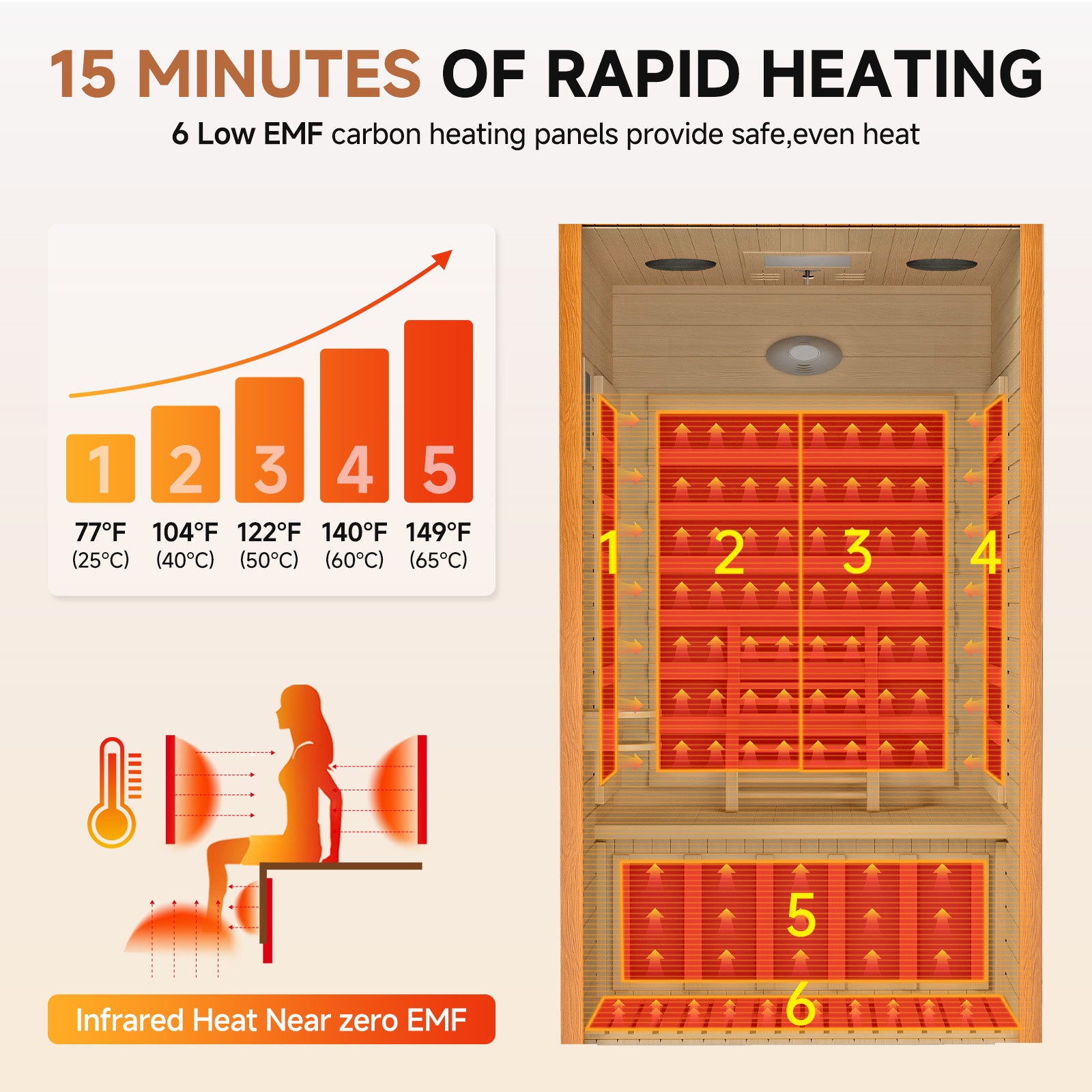
In a red light therapy sauna environment, the heat component plays a much larger role in how your body responds compared to the light alone. Infrared sauna temperatures typically reach levels that induce sweating and cardiovascular response, which already requires recovery time.
When red light is added into that environment, the overall stimulation becomes higher, so the body is dealing with both thermal and light-based input at the same time. This is why hydration, session duration, and rest days matter more in sauna-style devices compared to standalone red light panels.
Who Should Be More Careful With Frequent Use
While most healthy individuals tolerate red light therapy sauna use well, certain people should be more cautious with frequent sessions. This includes individuals with cardiovascular conditions, heat sensitivity, low blood pressure, or those taking medications that affect circulation or temperature regulation.
These precautions are consistent with general infrared sauna safety guidelines and are also reflected in broader clinical recommendations for heat therapy and photobiomodulation use.
Final Take
Frequent use of a red light therapy sauna is generally considered safe for most people when sessions are kept within reasonable limits and the body is allowed proper recovery. Most side effects are mild, temporary, and related more to heat exposure and hydration than the red light itself.
Scientific literature, including sources from Harvard Health Publishing and NCBI, supports the idea that red light therapy has a strong safety profile when used appropriately, but like any wellness tool, balance matters more than intensity.
A SpringSpa red light therapy sauna fits into this category of combined heat-and-light wellness systems, where consistency and moderation tend to deliver better long-term comfort than excessive daily use.





Share:
How to Clean and Maintain Your Infrared Sauna Interior and Exterior
Is infrared sauna therapy safe for children and elderly users?