

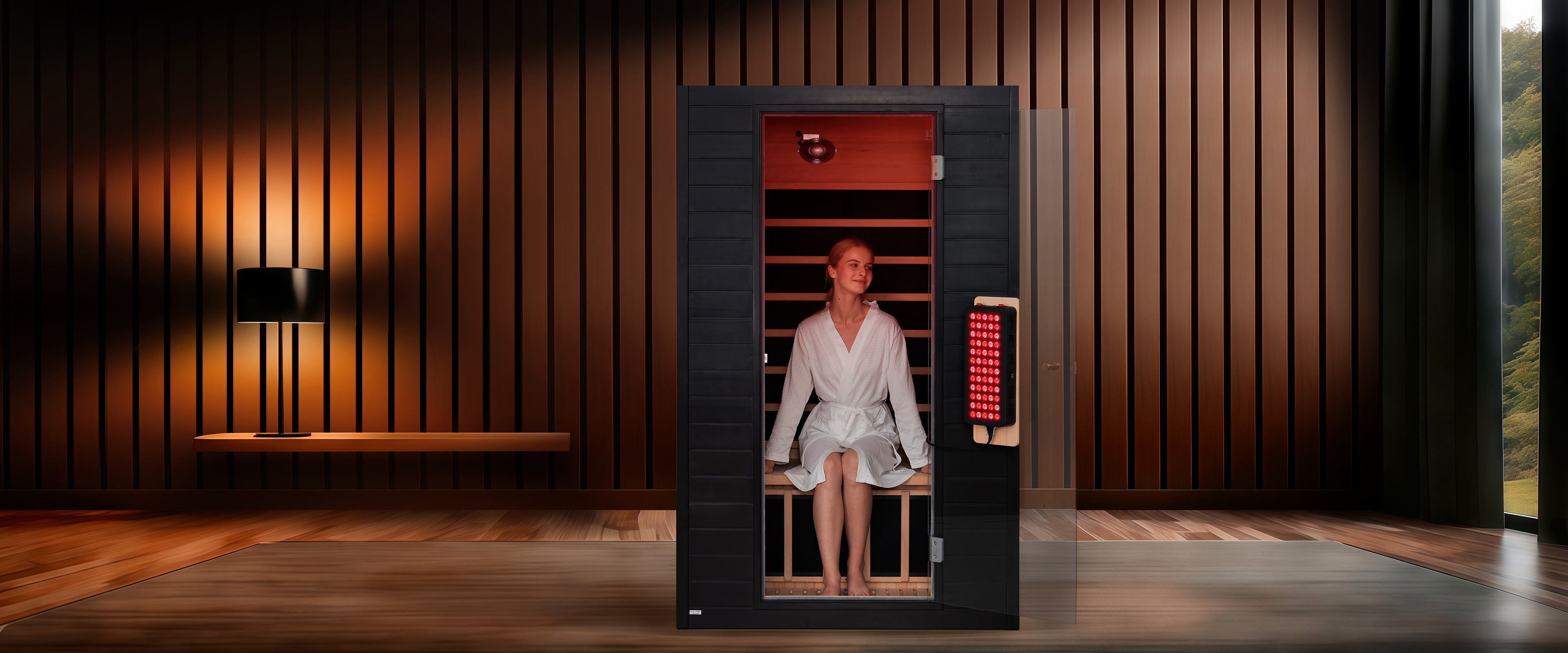
Walk into the world of saunas today and it’s no longer just hot rocks and steam. You’ve got steam saunas, infrared saunas, red-light saunas and hybrid setups that try to do it all. Each one heats your body differently, feels different to use, and suits different kinds of people. SpringSpa sauna offers complete sauna solutions for home and wellness.
So instead of saying one is “better,” let’s talk about how they actually work, how they feel and who they’re best for.
Steam Sauna's Classic Sweat Experience
Steam saunas are what most people picture first. High heat, high humidity, and thick steam filling the room. Temperatures usually sit around 160–200°F, and the moisture level is close to 100%, SpringSpa portable steam sauna can reach 131°F at maximum.
This type of sauna heats the air first, then your body. You start sweating fast, and breathing in warm steam can feel amazing if you like humid heat.
Why people love it
-
Strong, deep sweat in a short time
-
Feels great for sinuses and airways
-
Traditional spa and gym experience
Things to keep in mind
-
Can feel overwhelming if you dislike humidity
-
Not ideal for long sessions
-
Requires plumbing, drainage, and more maintenance
Steam saunas are great if you enjoy intense heat and don’t mind feeling drenched within minutes.

Infrared Sauna's Gentle Heat Goes Deeper
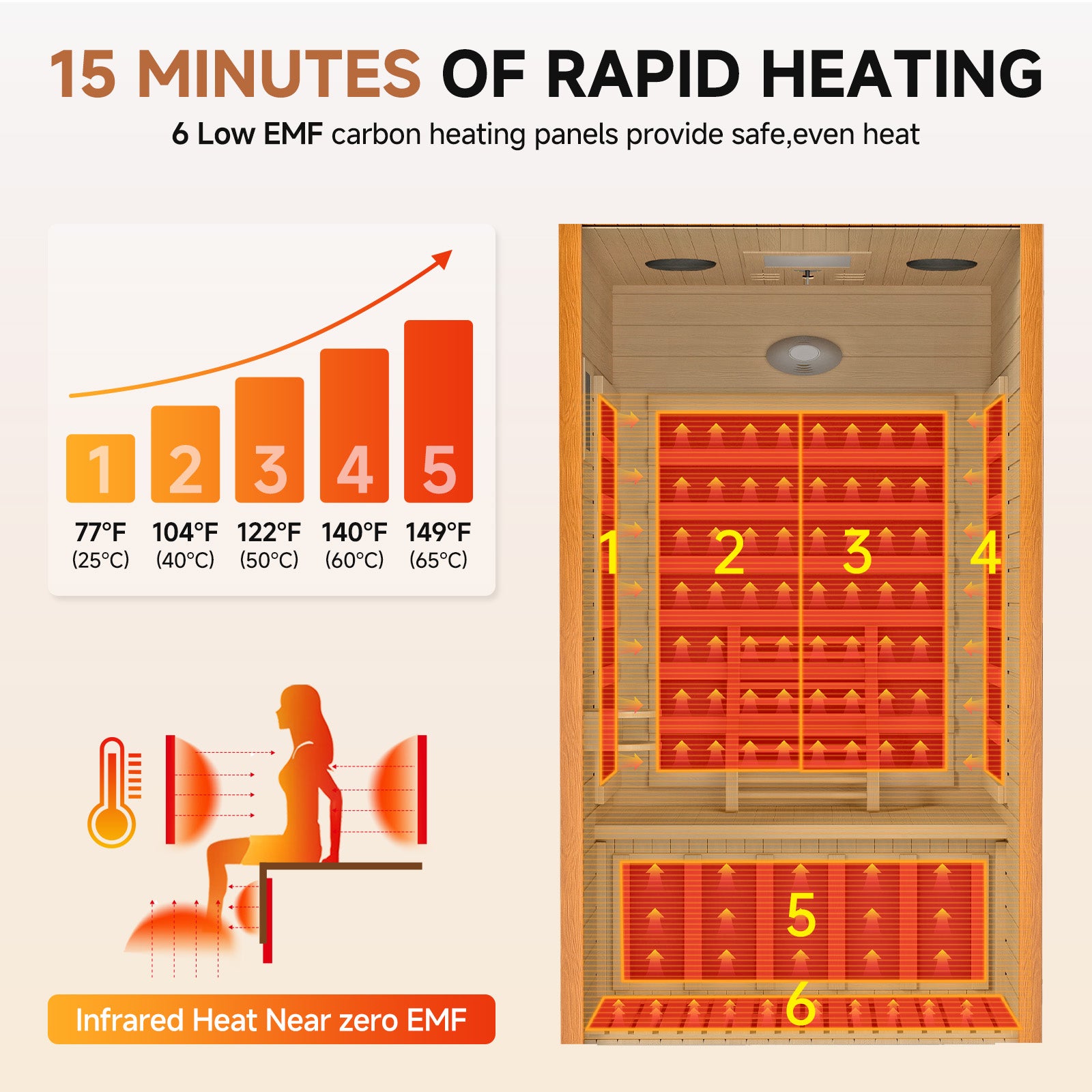
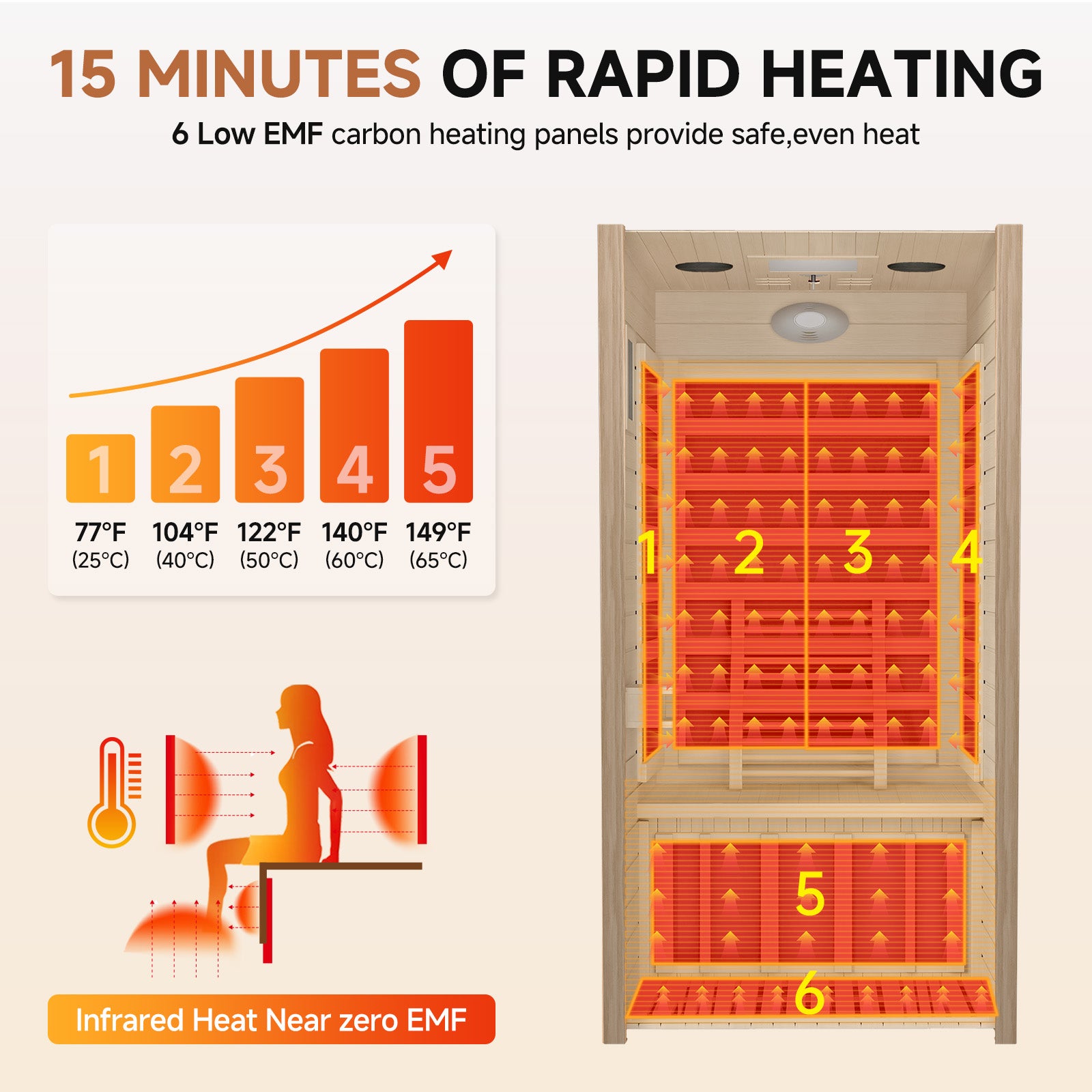
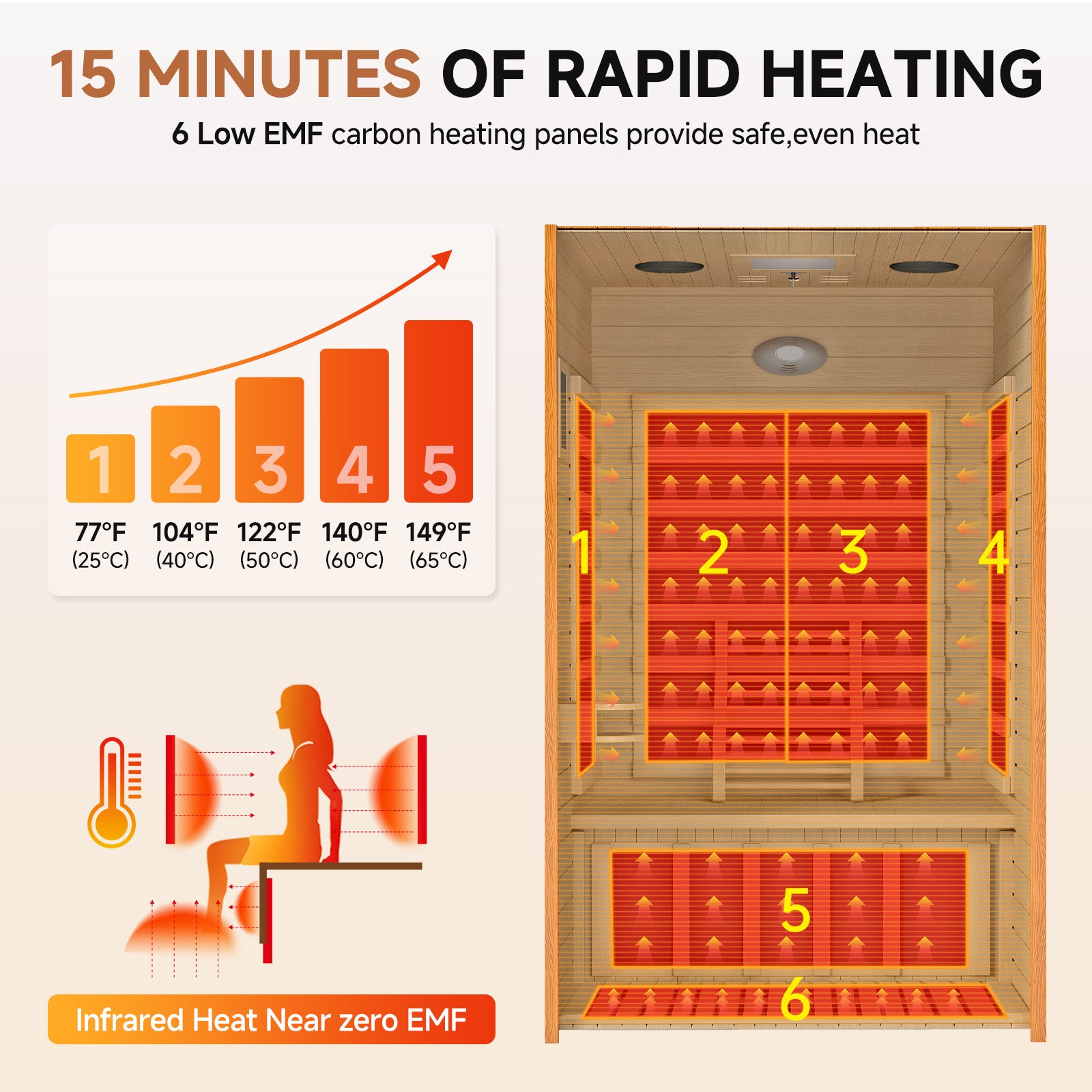
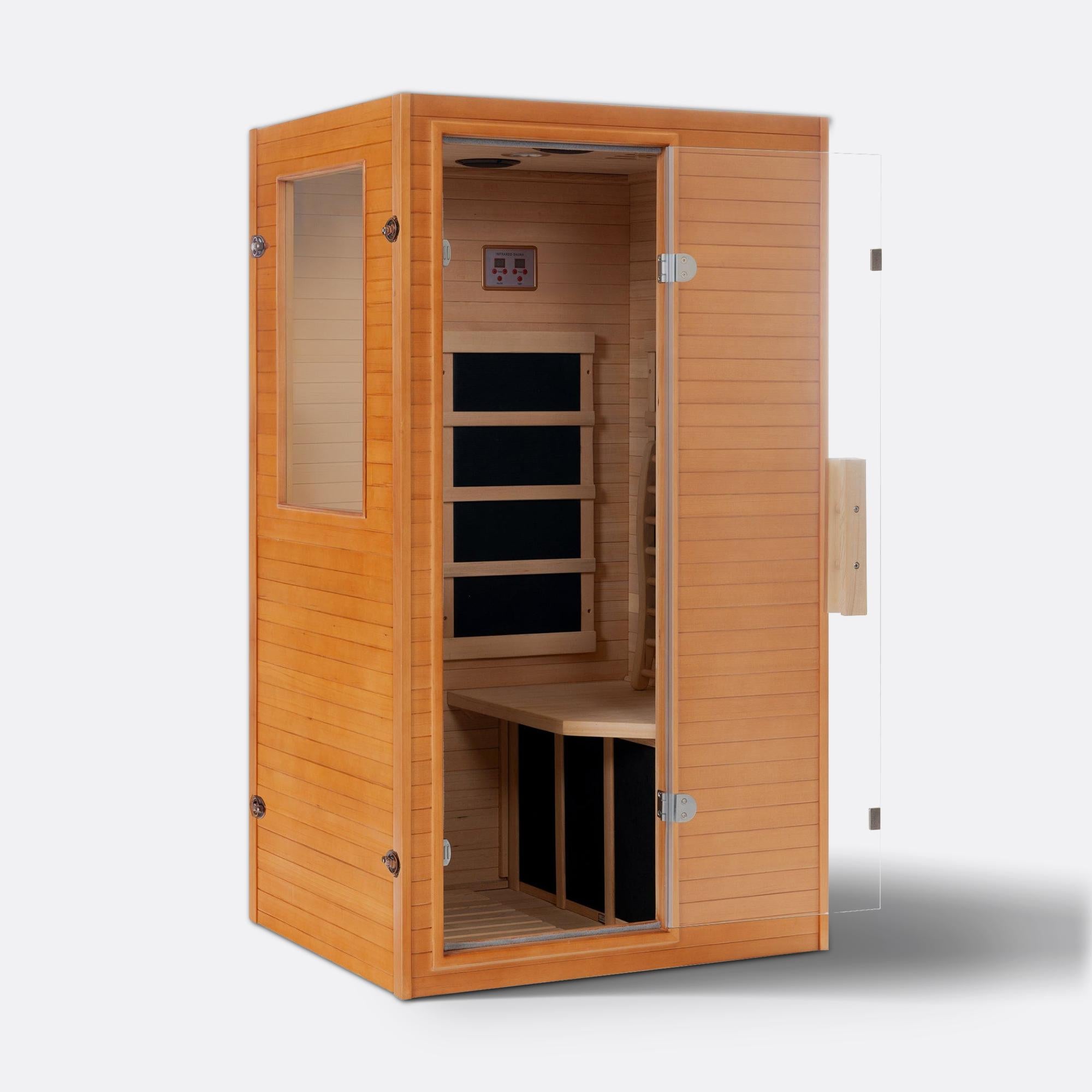
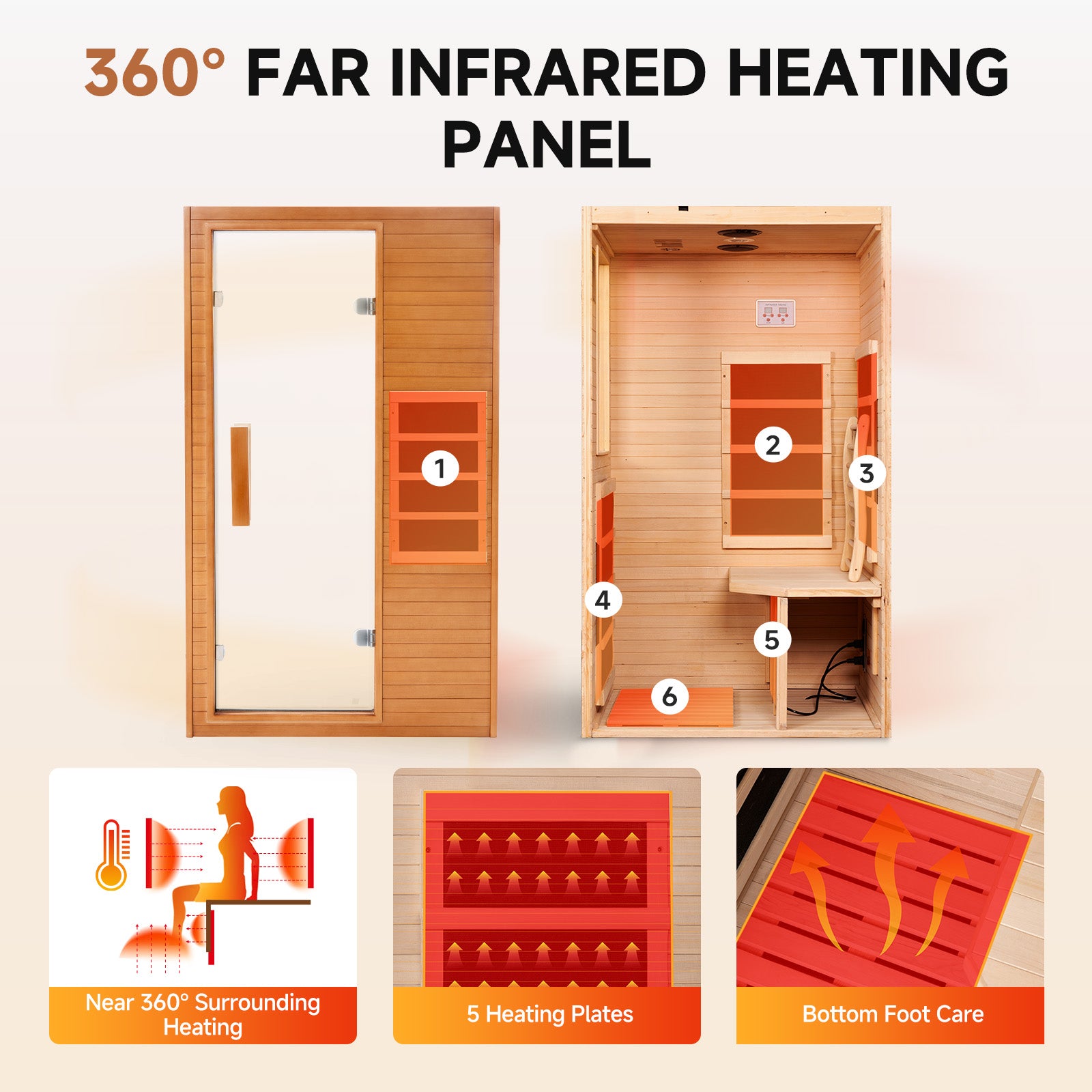
Infrared saunas take a very different approach. Instead of heating the air, they use infrared panels to warm your body directly. The air temperature stays lower—usually 110–150°F—but you still sweat. SpringSpa infrared sauna can reach 77–149°F.
Because the heat penetrates the body more directly, many people say it feels easier to sit longer without feeling suffocated.
Why people love it
-
More comfortable, less stifling heat
-
Heats muscles and joints directly
-
Lower power use and simpler home setup
Things to keep in mind
-
Doesn’t give that classic “steam room” feeling
-
Sweat comes on slower than steam
-
Quality depends a lot on heater type
Infrared saunas are popular for home use, especially for people who want relaxation without extreme heat.
Red-Light Therapy Sauna Meets Warmth
Red-light saunas focus less on sweating and more on light exposure. They use red (around 660nm) and near-infrared light (around 850nm) to interact with the skin and tissues.
Some models add mild warmth, but the real star here is the light itself—not high temperature.
Why people love it
-
Often used for skin care and recovery
-
Can feel calming without intense heat
-
Shorter, more relaxed sessions
Things to keep in mind
-
Not really about heavy sweating
-
Results can vary from person to person
-
Usually works best as part of a routine
Red-light saunas are a good fit if your focus is skin, recovery, and relaxation, rather than a traditional sweat session.
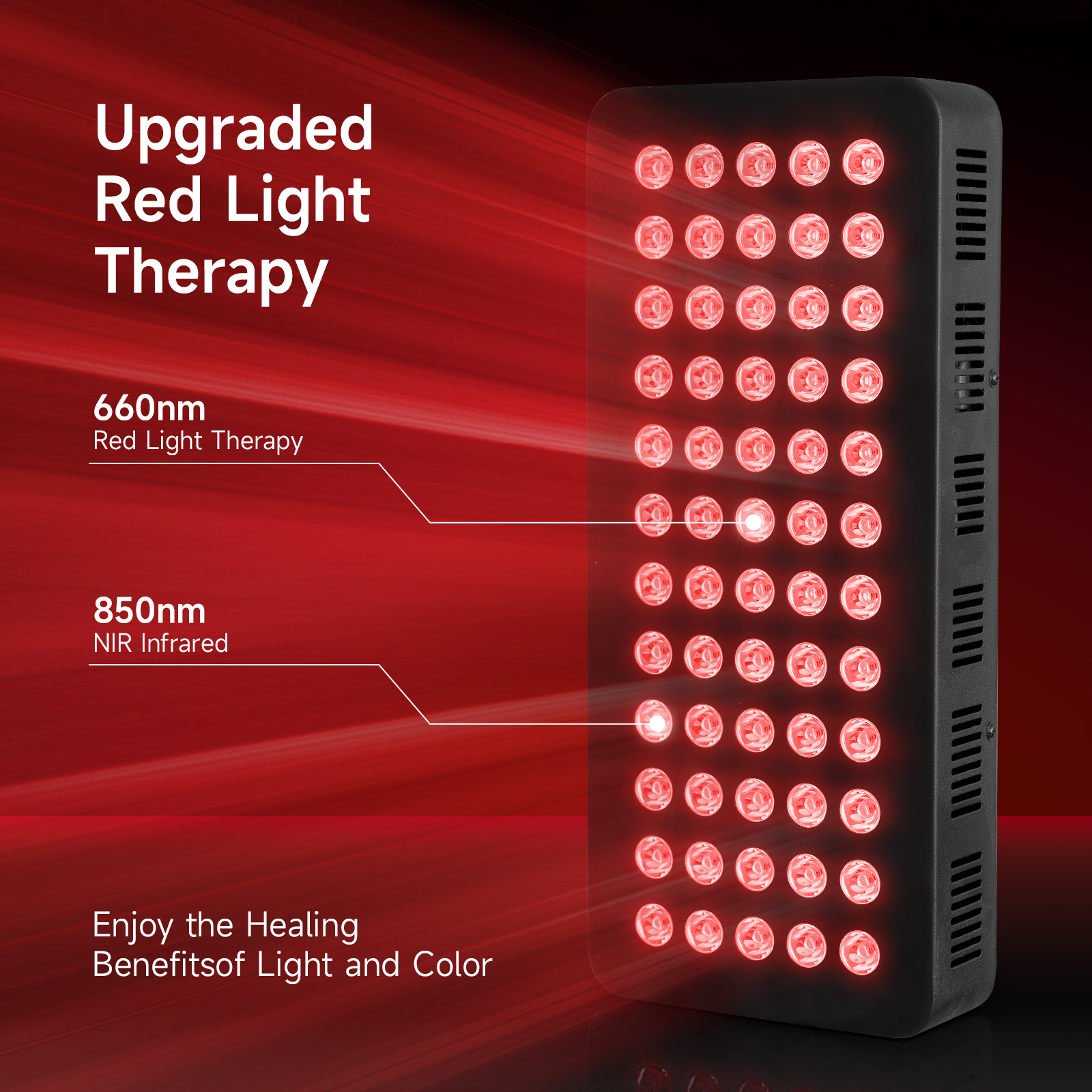
SpringSpa Sauna's Red-light Lamp
Hybrid Sauna: Mixing Heat and Light
Hybrid saunas combine infrared heating with red-light therapy, and sometimes chromotherapy lighting as well. You get warmth, light exposure and a more flexible experience in one cabin.
You can run heat only, light only or both together, depending on your mood and tolerance that day.
Why people love it
-
Flexible use: heat, light, or both
-
One cabin, multiple wellness functions
-
Great for shared households with different preferences
Things to keep in mind
-
Higher upfront cost
-
More components mean more features to learn
-
Needs proper electrical setup
Hybrid saunas are ideal for people who want options without committing to just one style.

SpringSpa full spectrum reight therapy sauna with infrared mica heating panels and red-light lamp
Comfort, Maintenance, and Daily Use
When choosing a sauna, how it fits into daily life matters just as much as the technology.
-
Steam saunas need regular cleaning and moisture control
-
Infrared saunas are easier to maintain and faster to start
-
Red-light saunas focus on short, consistent sessions
-
Hybrid saunas offer flexibility but come with more features
Think about how often you’ll use it, how much heat you actually enjoy, and whether you want sweat, light therapy, or both.
Comparison Table
| Feature | Steam Sauna | Infrared Sauna | Red-Light Sauna | Hybrid Sauna |
|---|---|---|---|---|
| Heat Source | Hot steam | Infrared panels | Light (red & NIR) | Infrared panels+ red light |
| Air Temperature | Very high | Moderate | Low to mild | Adjustable |
| Humidity | Very high | Very low | Very low | Low |
| Sweat Intensity | Fast & heavy | Gradual | Minimal | Adjustable |
| Session Comfort | Intense | Easy to tolerate | Very gentle | Flexible |
| Main Focus | Traditional sweating | Deep warming | Skin & recovery | All-in-one use |
| Home Installation | Simple | Simple | Simple | Moderate |
| Best For | Steam lovers | Daily relaxation | Light-based therapy | Mixed needs |
So Which One Should You Choose?
If you love strong heat and heavy sweat, steam saunas deliver that classic experience.
If comfort and daily use matter more, infrared saunas are easy to live with.
If your focus is skin, calmness and recovery, red-light saunas keep things gentle.
If you want flexibility and multiple wellness tools in one space, hybrid saunas offer the most freedom.
There’s no wrong choice—just different ways to unwind, warm up and feel better.











Share:
What Exactly Does “Full Spectrum” Mean in an Infrared Sauna?
How Does a Red Light Therapy Sauna Work on a Cellular Level?