

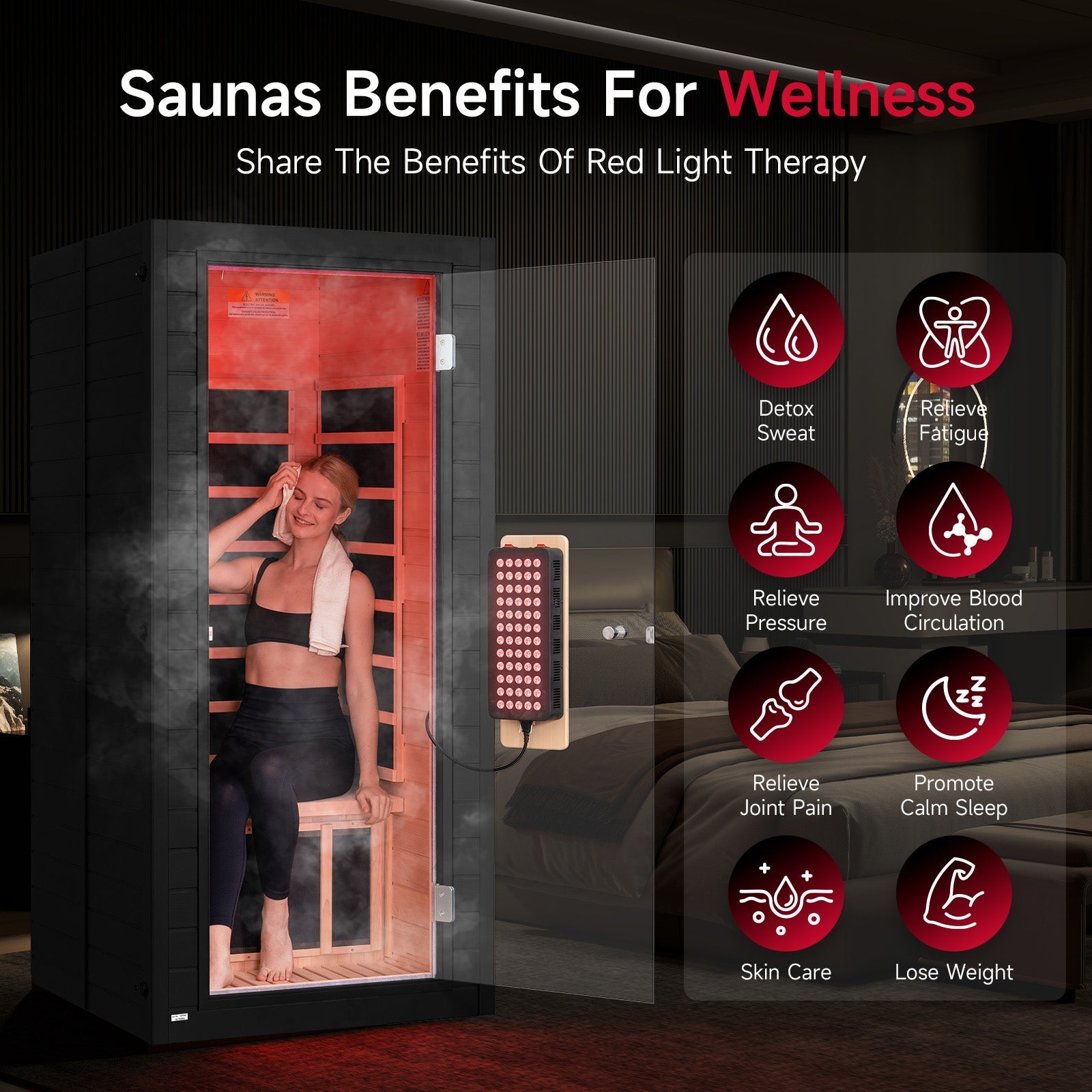
If you’ve been shopping for an infrared sauna, you’ve probably seen the phrase “full spectrum” pop up everywhere. It sounds impressive, but what does it actually mean? Is it just marketing language, or does it really make a difference when you’re sitting inside the sauna?
Infrared Saunas Use Light, Not Steam
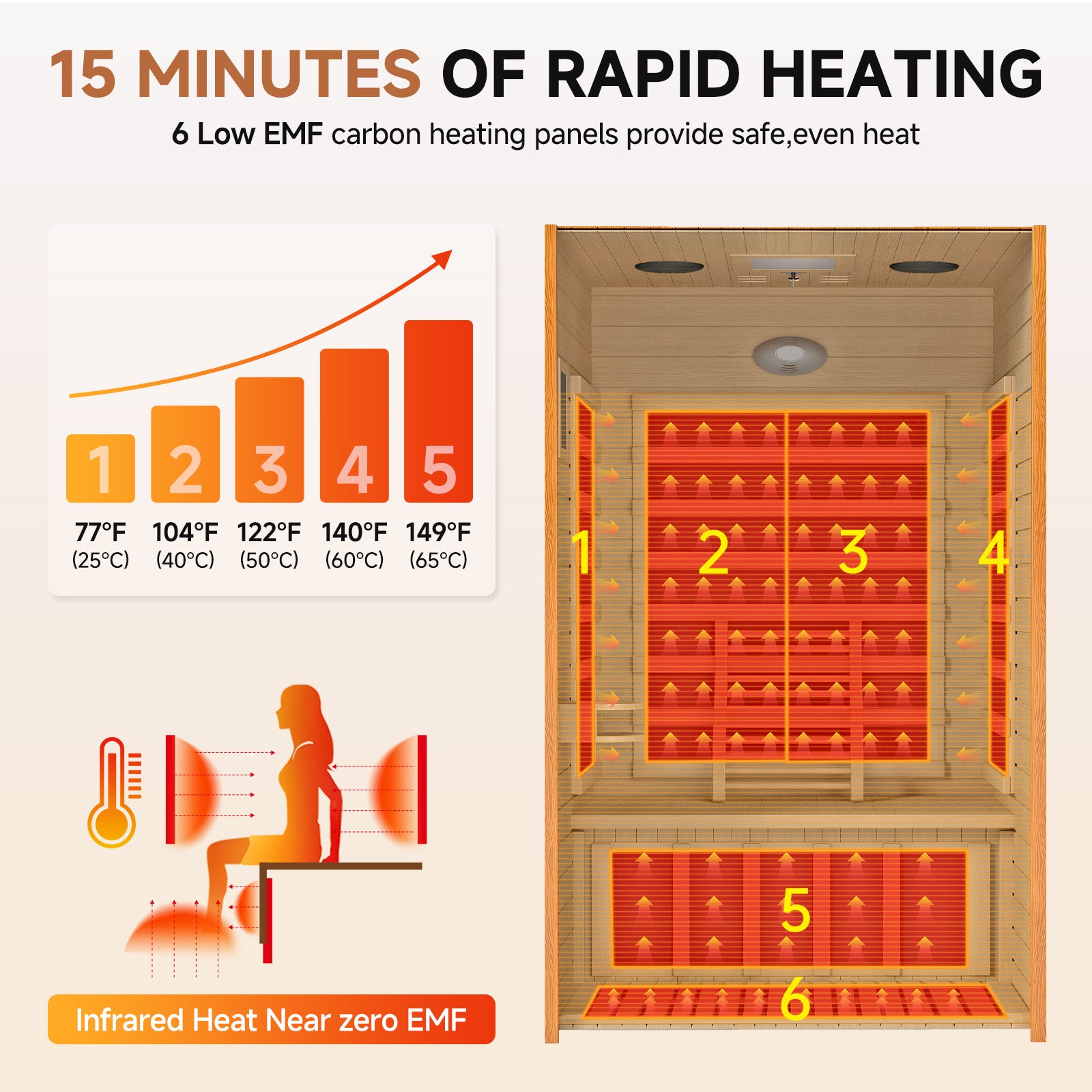
First, a quick bit of context. Traditional steam saunas heat the air around you. Infrared saunas work differently. They use infrared light waves to warm your body more directly, which is why many people say they feel heat faster and can tolerate slightly lower temperatures.
Infrared light itself isn’t visible. What matters is which wavelengths the sauna produces.
The Three Types of Infrared Light
When people talk about full spectrum, they’re usually referring to a sauna that combines multiple infrared wavelengths, not just one.
Here’s how it breaks down:
Near-Infrared (NIR)
This is the shortest infrared wavelength and sits closest to visible red light. Near-infrared is commonly associated with red light therapy, which is why many full spectrum saunas include dedicated red light panels.
Near-infrared light doesn’t just create warmth. It’s often used for skin-focused applications and surface-level tissue exposure.
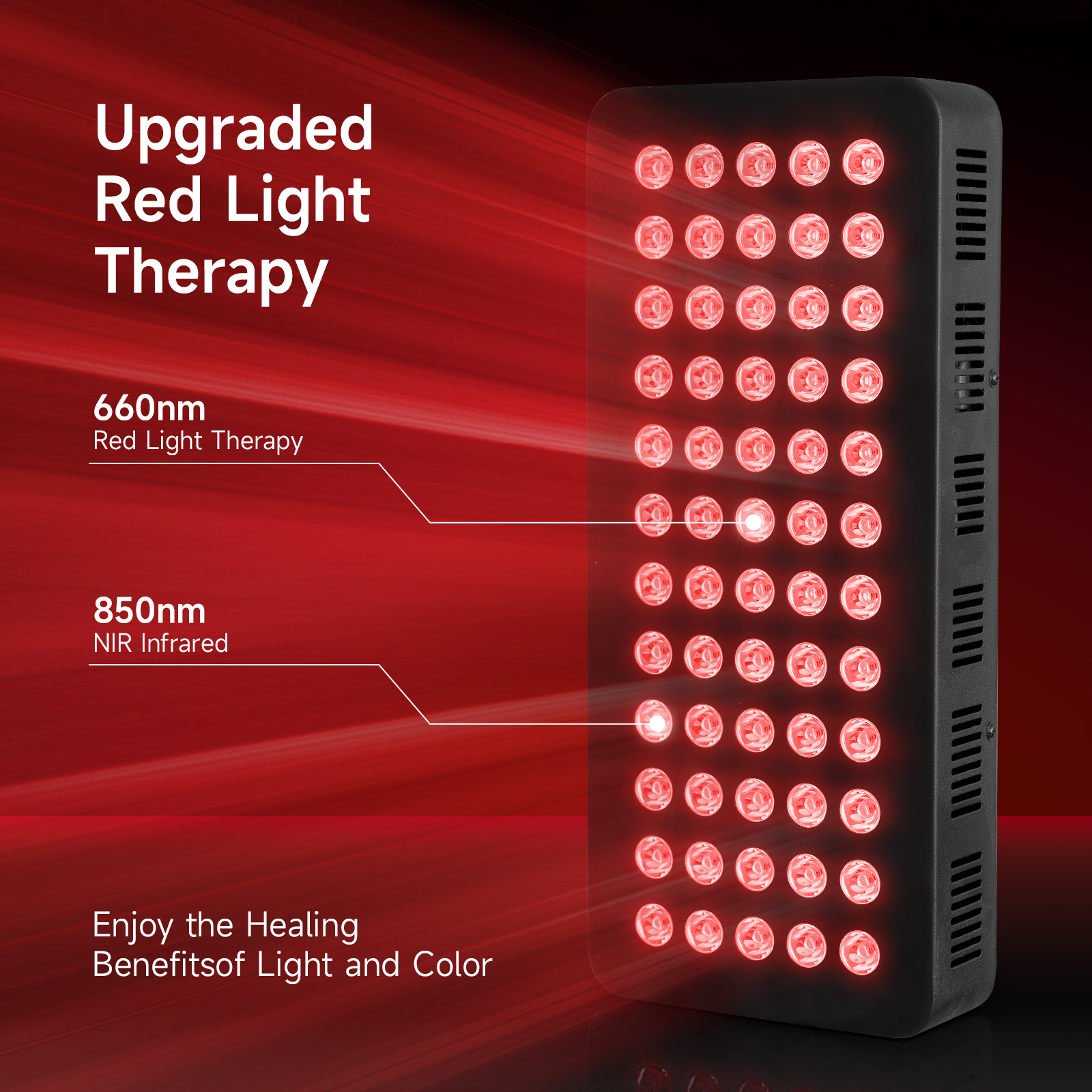
SpringSpa red light panels with NIR infrared and red light therapy
Mid-Infrared (MIR)
Mid-infrared goes a bit deeper into the body. This range is more about muscle warmth and circulation, helping you feel loose and relaxed during a session.
Far-Infrared (FIR)
Far-infrared is what most people think of when they think “infrared sauna.” It penetrates deeper and is responsible for that slow, steady heat that builds up during a session.

SpringSpa Far-Infrared (FIR) Mica Heating Panels
So What Makes a Sauna “Full Spectrum”?
A full spectrum infrared sauna typically combines:
-
Near-infrared (often via red light therapy lamps)
-
Mid-infrared heating elements
-
Far-infrared heating panels
Instead of relying on a single type of infrared heat, the sauna spreads the workload across different wavelengths. That’s where the “full spectrum” name comes from—it covers a broader range of infrared energy.
In practical terms, this means you’re not just sitting in hot air. You’re getting layered heat from different depths, which many users describe as more balanced and comfortable.
Why Red Light Is Often Part of Full Spectrum Saunas
Many full spectrum models include red light therapy lamps, commonly around 660nm red light and 850nm near-infrared light. These lamps are separate from the main heating panels and can be turned on or off depending on preference.
Red light doesn’t raise the cabin temperature much on its own. Instead, it’s there to complement the infrared heat. Some people like to use it for short sessions; others just enjoy the softer glow during longer sauna time.

SpringSpa red light therapy lamp includes 660nm red light and 850nm near-infrared light
Does Full Spectrum Feel Different?
Most users say yes.
Compared to a single-wavelength infrared sauna, a full spectrum setup often feels:
-
More evenly heated
-
Less “dry” or harsh
-
Faster to warm the body
-
Easier to adjust for shorter or longer sessions
That doesn’t mean a basic infrared sauna is bad. It just means full spectrum gives you more flexibility in how heat is delivered.
Is Full Spectrum Right for Everyone?
Not necessarily—and that’s okay.
Some people prefer simpler setups with far-infrared panels only. Others like having options, especially if the sauna includes:
-
Adjustable temperature controls
-
Timers up to 99 minutes
-
Separate red light therapy lamps
-
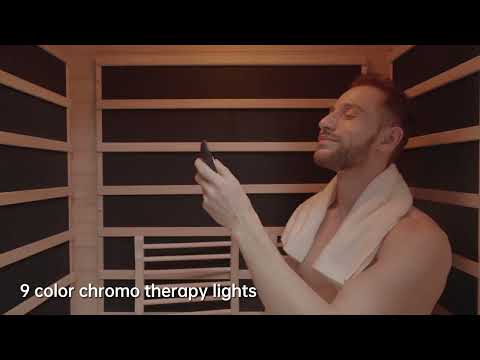
Built-in lighting or chromotherapy
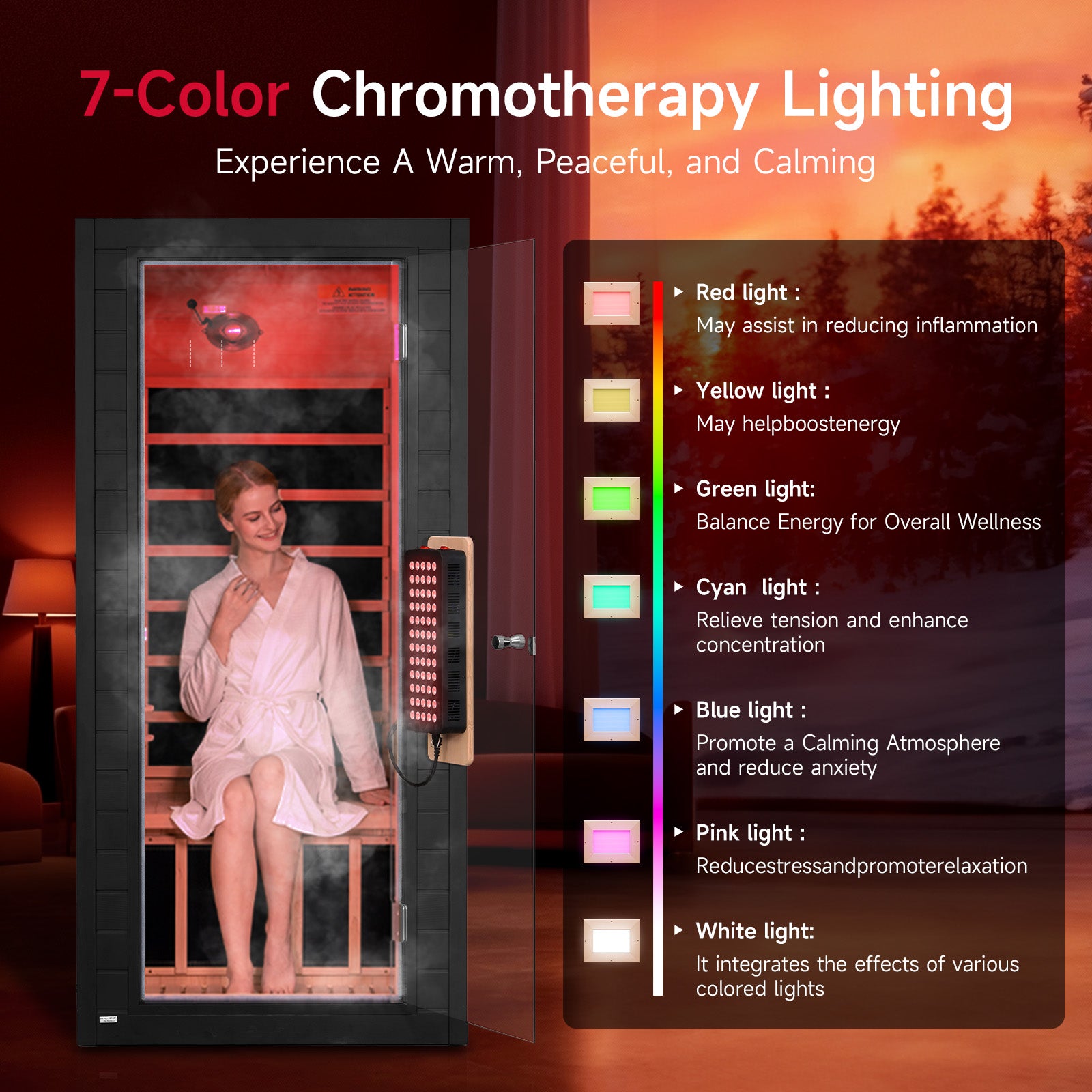
SpringSpa 7-Color Chromotherapy Lighting
A full spectrum sauna isn’t about using every feature every time. It’s about having choices depending on how your body feels that day.
The bottom line is when a sauna says it’s full spectrum, it means it uses more than one type of infrared wavelength, often combined with red light therapy. The goal isn’t to overwhelm you with technology, but to create a more versatile and comfortable sauna experience.
If you like the idea of layered heat, adjustable sessions and a little extra control over how your sauna feels, full spectrum is worth considering. If you prefer simplicity, a standard infrared sauna can still do the job.
Either way, understanding what “full spectrum” actually means helps you shop smarter—and know exactly what you’re stepping into when you close that sauna door.













Share:
Who Should Not Use a Full Spectrum Infrared Sauna with Red Light Therapy?
Steam vs Infrared vs Red-Light vs Hybrid Sauna