


Full spectrum infrared saunas aren’t just about getting hot and sweating. People keep using them because they feel better afterward—physically calmer, mentally lighter and more comfortable in their own bodies. And while the internet loves to exaggerate wellness claims, the real benefits of regular use are actually pretty practical and grounded.
Let’s walk through what users can realistically expect, and why full spectrum infrared heat makes a difference.
What makes a full spectrum infrared sauna different?
Unlike traditional saunas that heat the air, infrared saunas use light-based heat to warm your body directly. A full spectrum setup combines near, mid and far infrared wavelengths, which means the heat works at different depths instead of staying on the surface.
The result? A warmer, more even experience that feels comfortable rather than overwhelming. Many people find they can stay inside longer without feeling drained, dizzy or uncomfortable.
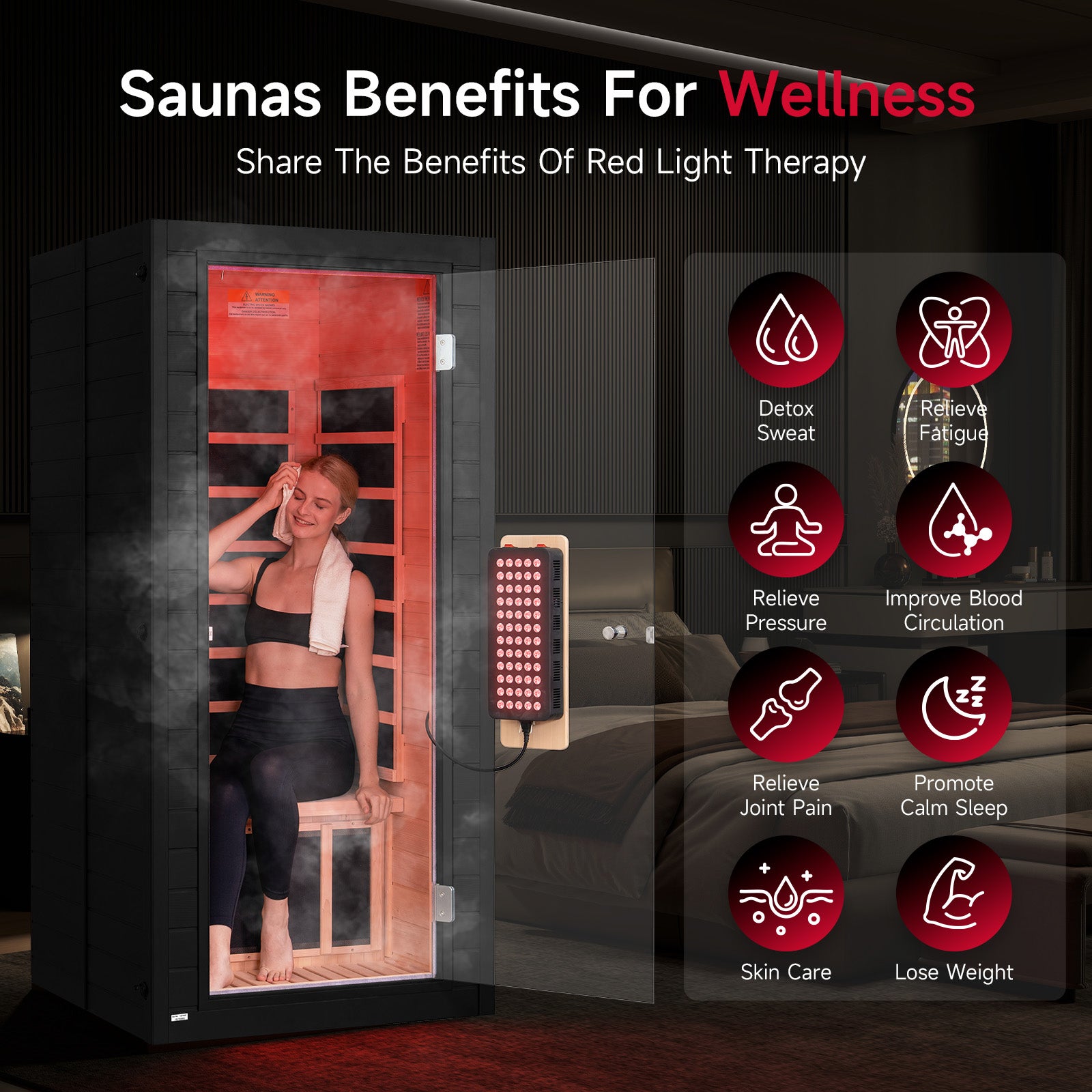
Benifits of SpringSpa full spectrum infrared sauna with red-light therapy
Physical benefits people notice first
Looser muscles and less stiffness
One of the most immediate effects is muscle relaxation. Infrared heat helps increase blood flow to tight areas like the shoulders, lower back, hips and legs. That warmth encourages muscles to release tension, which is why people often step out feeling lighter and more flexible.
If you sit a lot, train regularly, or wake up stiff in the mornings, this alone can make a noticeable difference.
Better circulation, better recovery
As your body warms up, blood vessels expand. This allows oxygen and nutrients to move more efficiently through the body while helping carry away metabolic waste.
Over time, improved circulation supports:
-
Faster muscle recovery
-
Less lingering soreness
-
A general sense of physical comfort
It’s not instant repair, but it helps your body do what it’s already designed to do—recover.
Gentle cardiovascular support
Infrared sauna sessions raise your heart rate in a way that’s similar to light physical activity. You’re not exercising, but your cardiovascular system is still responding to the heat.
For people who already live an active lifestyle, regular sauna use can act as a supportive habit for heart health. It complements movement rather than replacing it.

Heat makes blood vessels expand
Joint comfort and easier movement
Heat increases tissue elasticity. That means joints and connective tissues tend to move more freely when warm. Many users with mild joint stiffness notice that everyday movements feel smoother after consistent sauna sessions.
Again, this isn’t treatment—but it can make daily life feel less restricted.
Mental and emotional benefits that build over time
Stress relief that feels natural
Heat has a calming effect on the nervous system. As your body relaxes, your stress response slows down. Breathing becomes deeper, muscles soften and your mind often follows.
This is why many people describe sauna sessions as mentally grounding. You don’t need to force relaxation—it happens on its own.

IR light could improve the symptoms of nervous system disorders. (From MDPI)
Better sleep habits
Evening sauna sessions can help prepare the body for rest. After warming up, your body temperature gradually drops, which signals that it’s time to sleep.
People often report:
-
Falling asleep faster
-
Feeling more relaxed before bed
-
Less restlessness at night
Consistency matters here. Sleep improvements tend to show up after a few weeks of regular use.
Mood support and mental clarity
Between the warmth, quiet time and physical relaxation, sauna sessions can help clear mental clutter. Some users describe feeling more focused afterward, while others simply feel less weighed down emotionally.
It’s not therapy—but it’s supportive, especially for everyday stress and mental fatigue.
The role of red light and chromotherapy
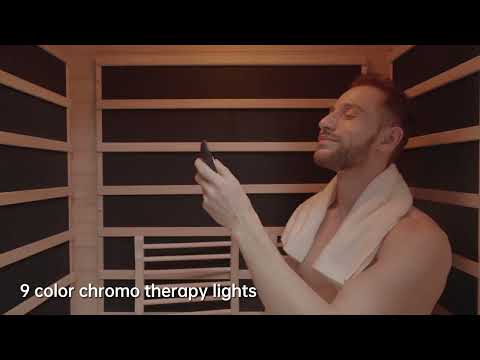
Many full spectrum infrared saunas also include red light therapy and color lighting. Red light is commonly associated with skin support and cellular comfort, while different colors are often used to create calming or energizing environments.
Some users enjoy blue or green lighting for relaxation, while others prefer warm tones for a cozy feel. The effects can be subtle and personal, but they add to the overall experience by helping users slow down and stay present.

SpringSpa full spectrum infrared saunas with red light therapy lamp
Why sweating feels different in infrared saunas
Infrared heat encourages a deep, comfortable sweat. People often describe it as less suffocating than steam saunas and easier to tolerate.
That sweat can feel refreshing, but it’s important to keep expectations realistic. Any immediate weight change is water loss. The real benefit is how sweating pairs with relaxation and circulation—not numbers on a scale.
What full spectrum infrared saunas don’t do
To keep things honest and useful:
-
They don’t replace exercise
-
They don’t cure medical conditions
-
They don’t create permanent weight loss on their own
-
They don’t detox the body beyond normal sweating
Their value lies in support, not extremes.
How often users see benefits
Most people notice relaxation right away. Other benefits build gradually:
-
2–4 sessions per week
-
20–40 minutes per session
-
Good hydration before and after
Over time, sauna use often becomes a habit people look forward to—not because of bold promises, but because it feels good and fits easily into real life.
Why people keep coming back
A full spectrum infrared sauna isn’t about chasing dramatic results. It’s about creating a space where your body can unwind and your mind can slow down.
For many users, that quiet warmth becomes a reset button—something that supports physical comfort, mental balance and better rest without demanding anything in return.
And sometimes, that’s exactly what wellness should feel like.













Share:
Why 660nm and 850nm Wavelengths Are Commonly Used in Red Light Therapy Saunas
How Much EMF Is Safe for Full-Spectrum Infrared Sauna Therapy?