

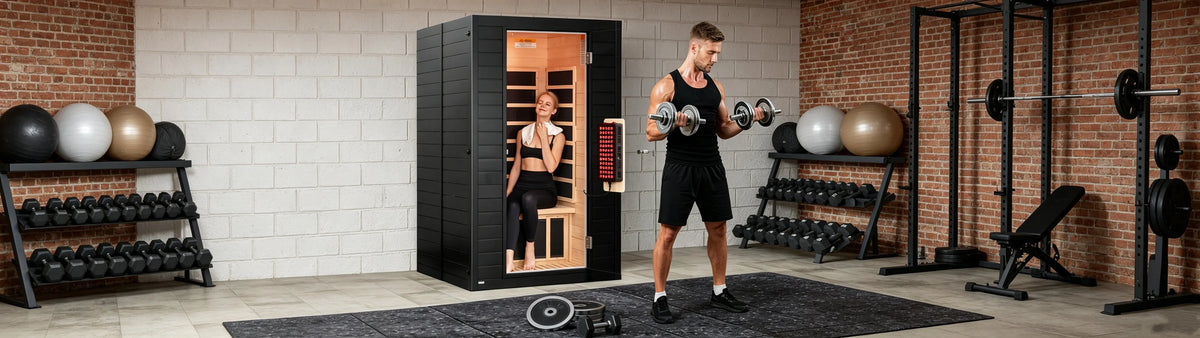
After a hard workout, a long day on your feet or simply too many hours sitting at a desk, your muscles and joints can feel pretty worn out. That is one reason infrared saunas and red light therapy have become popular additions to home wellness routines. But do they actually help with muscle recovery and joint comfort, or do they simply feel relaxing?
The short answer is: there is some promising research, especially for photobiomodulation (red and near-infrared light), infrared heat may also support relaxation and recovery, but the evidence is not strong enough to treat these therapies as a replacement for exercise, physical therapy, sleep, or medical care.
How infrared sauna heat may support recovery
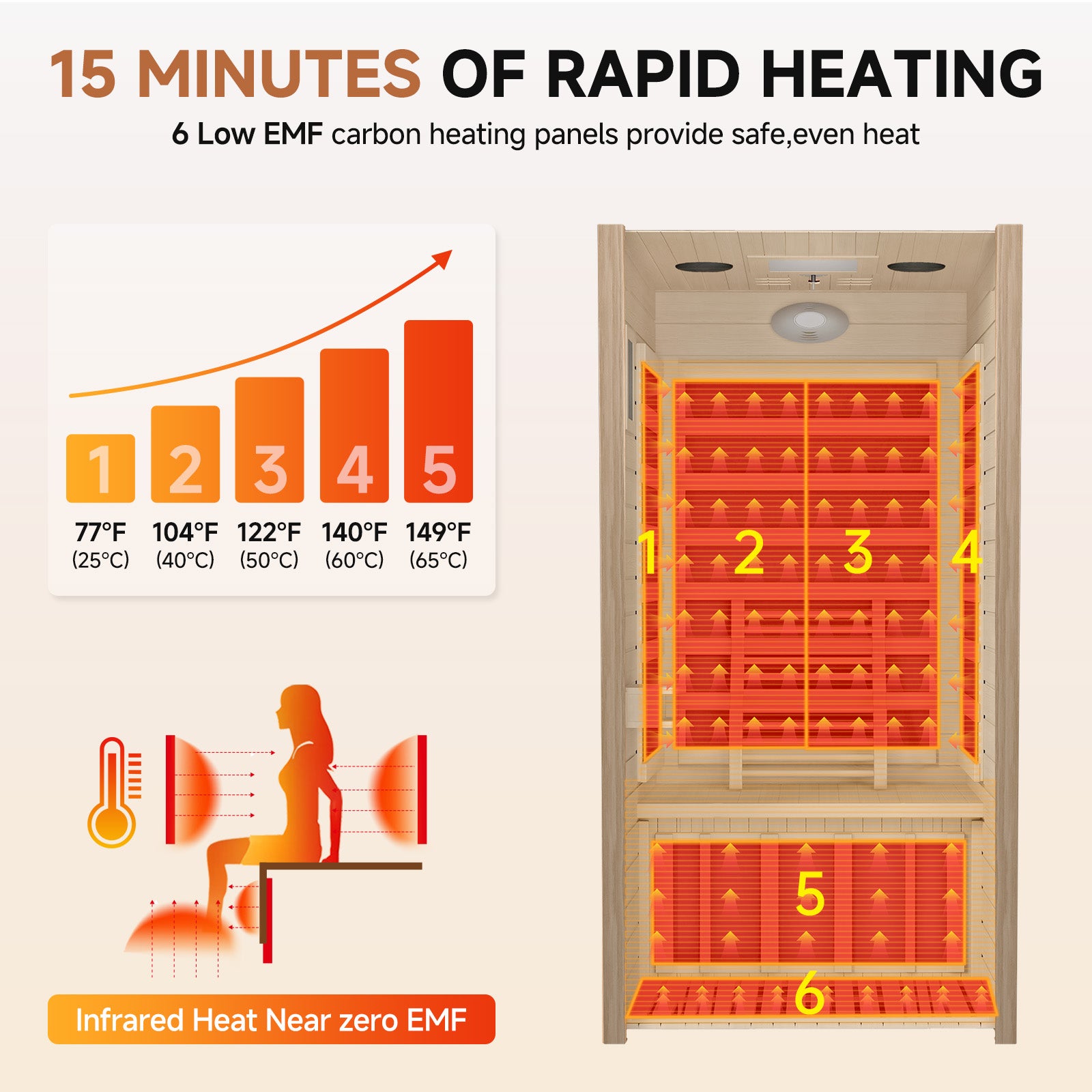
An infrared sauna warms the body using infrared energy rather than relying mainly on heating the surrounding air. The increased warmth can make you sweat, raise skin temperature, and create a relaxing environment after physical activity.
For muscle recovery, the idea is fairly straightforward. Heat exposure can increase circulation and may help your body transition into a relaxed state after exercise. Some people also find that warmth makes stiff muscles feel looser and more comfortable.
However, the scientific picture is more nuanced. A 2025 systematic review in Sports Medicine examined 14 studies involving 194 participants and found that the results of post-exercise heat exposure were mixed. Some studies reported benefits, while others found no meaningful improvement, and the researchers concluded that there is not yet enough evidence to make definitive claims about heat exposure and recovery.
So, an infrared sauna can be a comfortable part of a recovery routine, but it should not be presented as a guaranteed way to speed up muscle repair.
Where red light therapy gets interesting
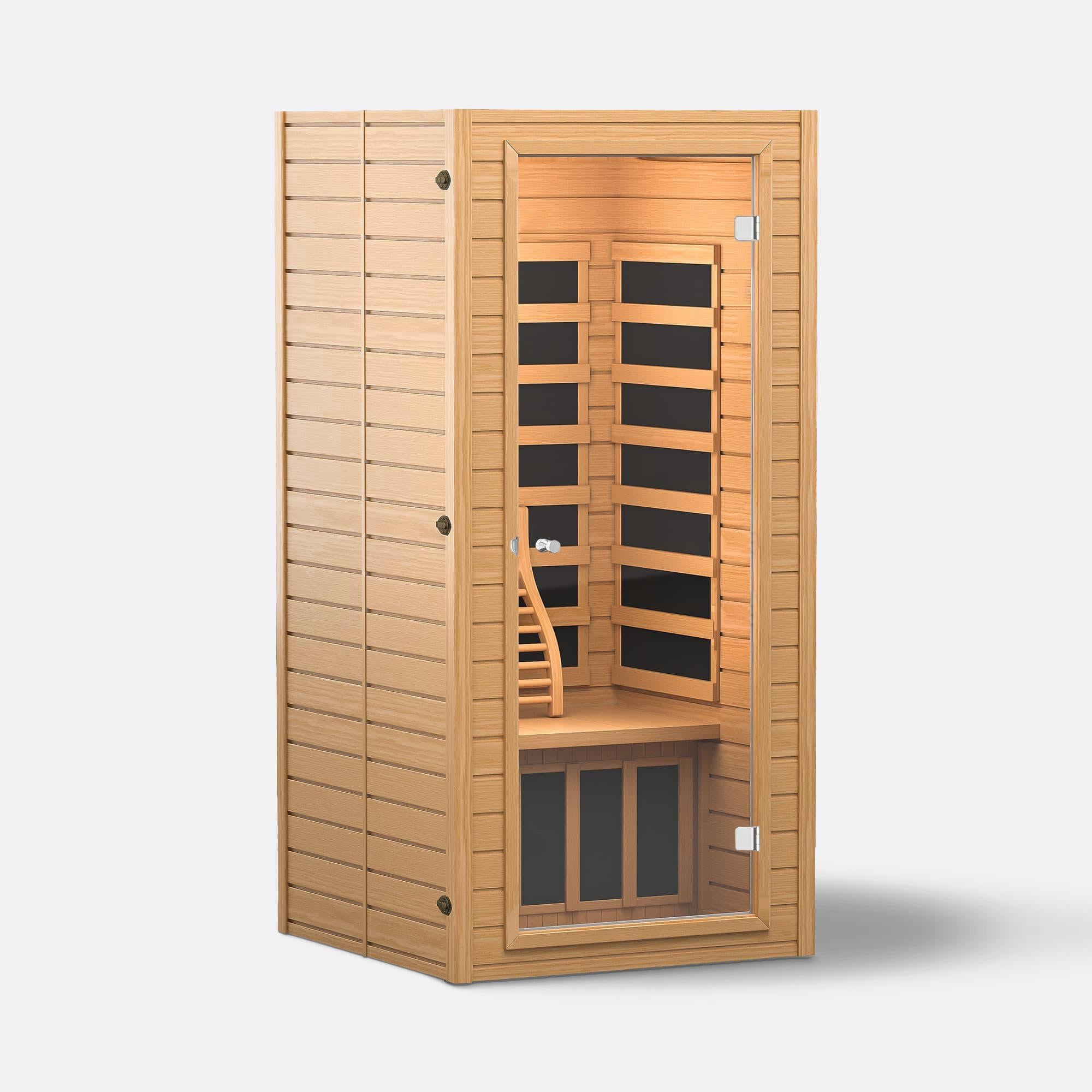
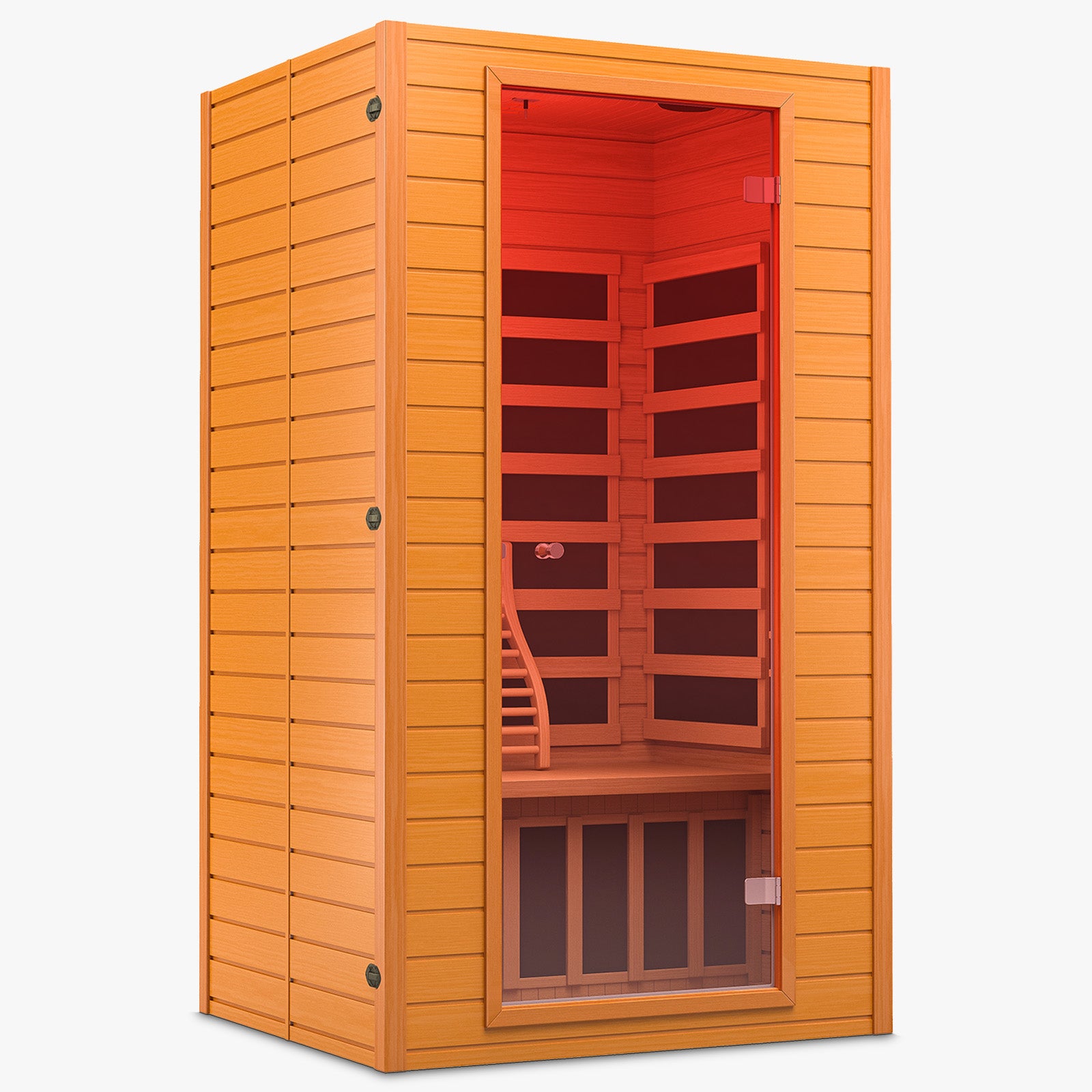
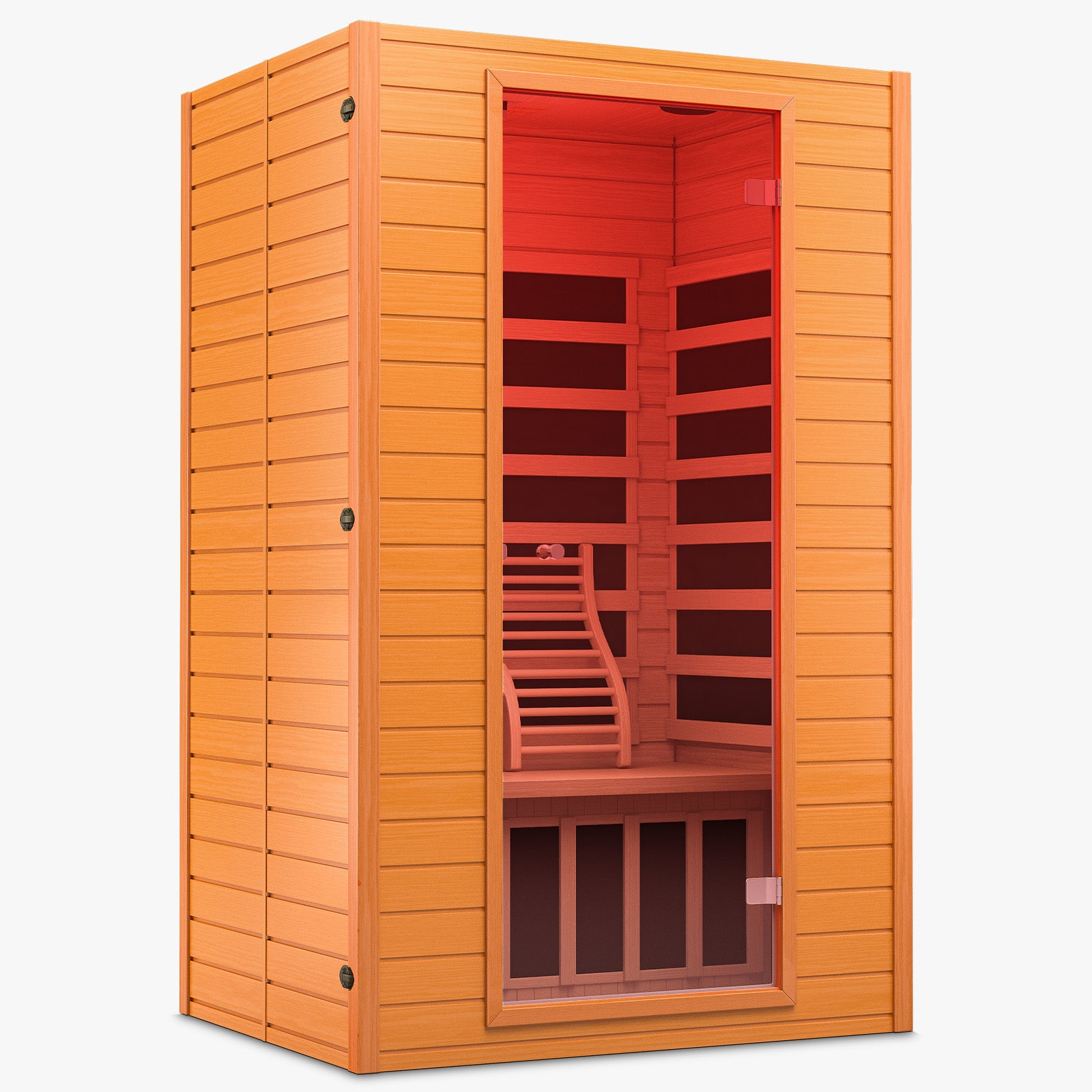
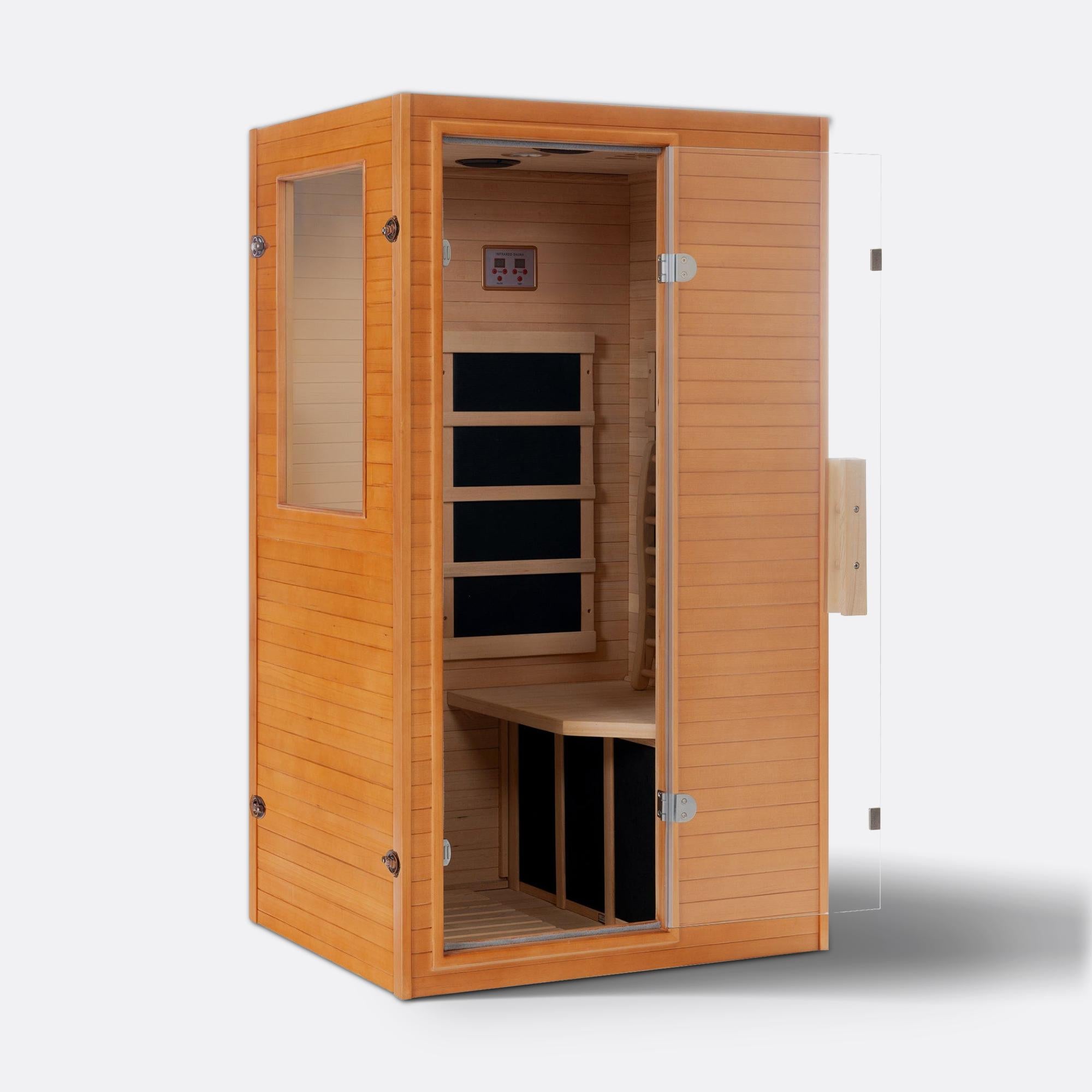
Red light therapy, also called photobiomodulation, uses specific wavelengths of red and near-infrared light. Unlike the broad-spectrum colored lighting often used for ambiance, photobiomodulation focuses on particular wavelengths that researchers have studied for biological effects. The Springspa 1890W 1.9-meter two-person infrared sauna, for example, combines infrared heating with a dedicated red-light therapy lamp. Its light panel uses 660 nm red light and 850 nm near-infrared light, giving users both wavelengths in one home sauna setup.

That combination is interesting because red and near-infrared light have been investigated for exercise-related muscle recovery. A 2025 systematic review and meta-analysis found evidence that photobiomodulation applied before exercise may reduce muscle soreness and improve muscle performance 24 hours after exercise. Earlier research has also reported potential improvements in exercise performance and recovery with red or infrared phototherapy.
What about sore or uncomfortable joints?
This is another area where expectations matter. Photobiomodulation has been studied for joint-related pain, including knee osteoarthritis. A 2024 systematic review and meta-analysis looked at 10 studies involving 542 people with knee osteoarthritis. The researchers found that photobiomodulation was associated with reduced pain, but they also noted that the overall certainty of the evidence was very low and that it should not be considered a standalone treatment. Another systematic review found that low-level laser therapy combined with exercise therapy may help reduce knee osteoarthritis pain, although improvements in range of motion, strength, and overall function were less convincing. That distinction is important. Red light therapy may help some people feel more comfortable, but "less pain" is not the same thing as repairing damaged cartilage or curing a joint condition.

Why combining heat and light can be appealing
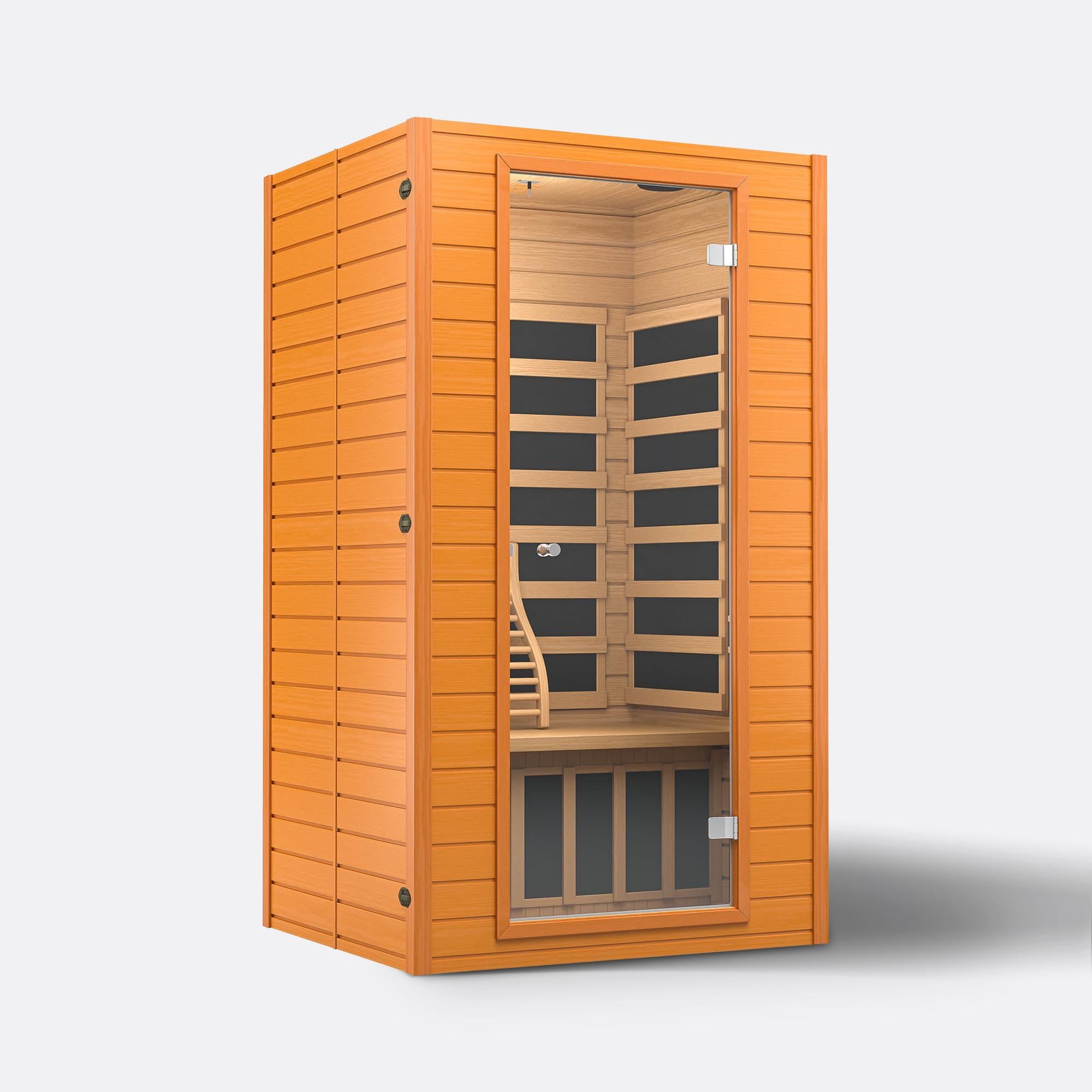
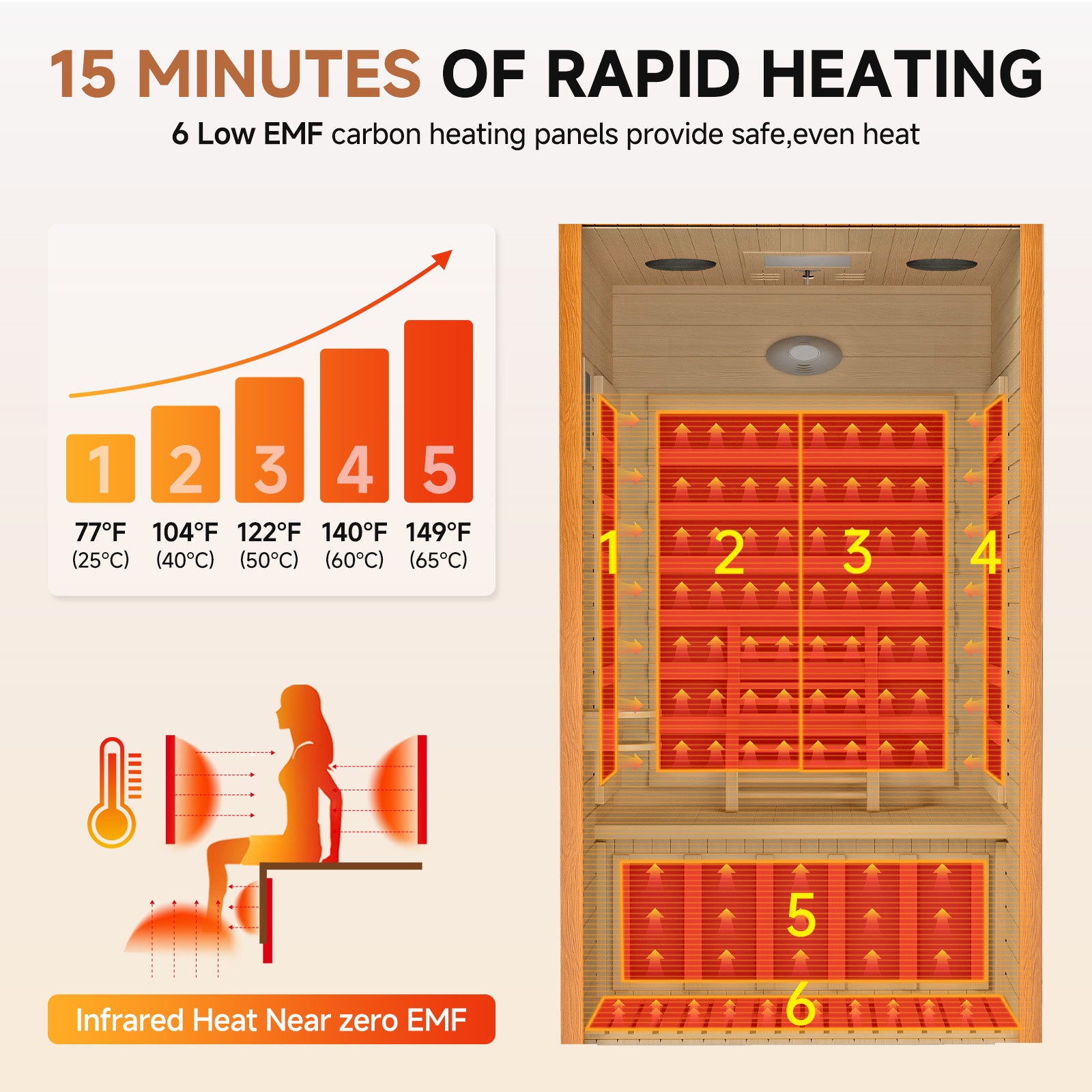
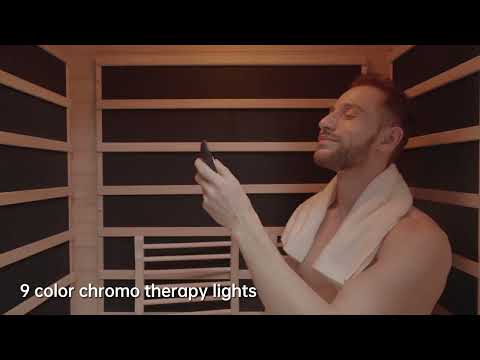
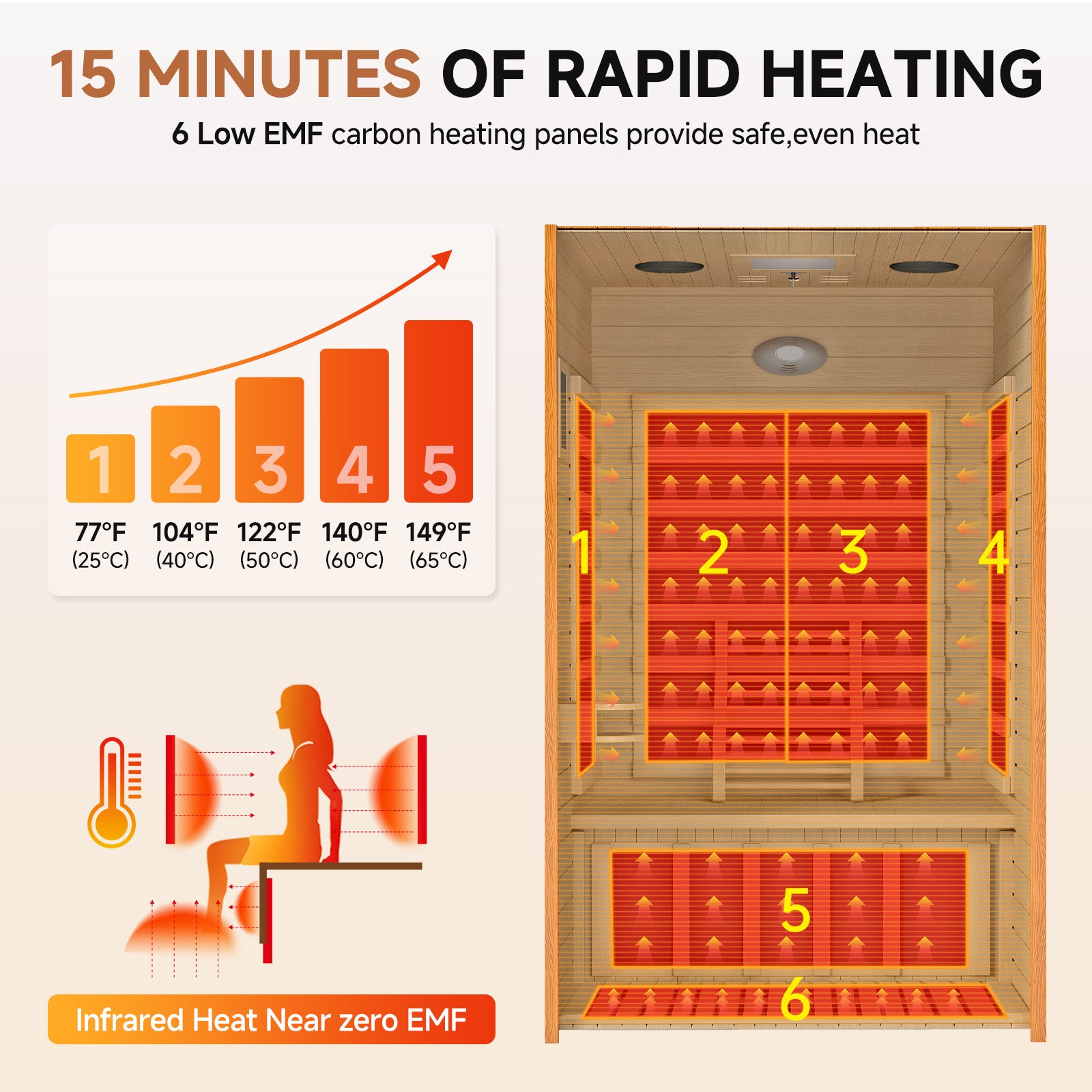
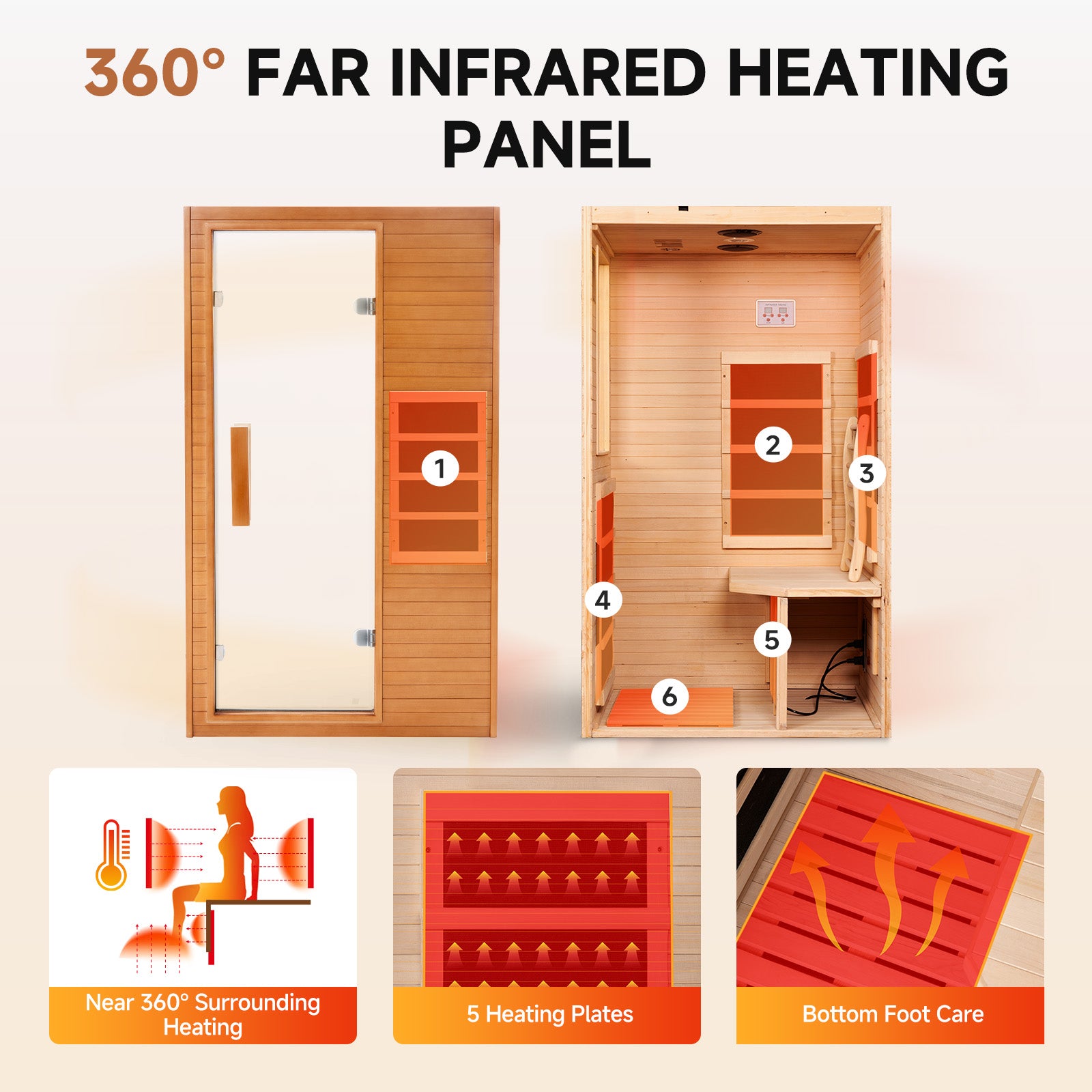
An infrared sauna with red light therapy brings two different wellness approaches into the same session. The heat creates a warm environment that many people find relaxing after exercise or prolonged sitting. The red and near-infrared light, meanwhile, provides targeted photobiomodulation that has been studied for muscle soreness and certain types of pain. For example, the Springspa 1890W infrared sauna uses mica heating plates, a 90W red-light therapy lamp, seven-color chromotherapy lighting, Bluetooth audio, and a control panel that allows users to adjust temperature and session time. Its 1.9-meter, two-person design also makes it more suitable for shared home use than a compact one-person cabin.
A different approach is to use a dedicated red-light panel separately from a sauna. That can make sense for people who want to focus light directly on a particular body area rather than combining light exposure with whole-body heat. Neither setup should automatically be considered superior. The better choice depends on whether you mainly want heat, light therapy, relaxation or a combination of these features.
How to use an infrared sauna as part of recovery
If you are trying an infrared sauna after exercise, think of it as one piece of your recovery routine rather than the entire solution.
Hydration matters, especially because sauna sessions can cause substantial sweating. Avoid using the sauna after drinking alcohol, and give your body time to return to a normal temperature after intense exercise. The Springspa user instructions also advise stopping use if you feel uncomfortable and recommend medical advice for people who may be at increased risk from heat exposure. It is also worth starting conservatively rather than immediately choosing the highest temperature or longest session. More heat is not automatically better. Sleep, adequate nutrition, hydration, appropriate training volume, mobility work, and rest remain much more important foundations for recovery.
Is red light therapy worth trying?
For someone interested in muscle recovery and everyday joint comfort, red light therapy is a reasonable option to explore, particularly because there is a growing body of research on photobiomodulation. Still, the research does not support treating it as a miracle therapy. A 2025 review specifically examining whole-body photobiomodulation found that the available studies did not show clear benefits for exercise recovery or performance, although some participants reported better sleep quality. That is probably the most useful way to look at these products: potentially helpful wellness tools, not replacements for proven medical or recovery strategies.
So can an infrared sauna and red light therapy help with muscle recovery and joint comfort?
They may. Research on photobiomodulation provides encouraging evidence for reducing muscle soreness and, in some circumstances, improving recovery. There is also evidence that red and near-infrared light may help reduce certain types of joint pain. Infrared heat can feel soothing and may fit comfortably into a post-workout relaxation routine, but research on heat-based recovery remains mixed.
If you want both features at home, a product such as the Springspa 1890W 1.9-meter two-person infrared sauna offers a practical combination of infrared heating and 660/850 nm red and near-infrared light in one cabin. The key is to use it as part of a broader recovery routine rather than expecting the sauna or light therapy alone to do all the work.
And if you have persistent joint pain, an injury, cardiovascular concerns, or another medical condition, it is worth checking with a healthcare professional before adding regular sauna or light-therapy sessions to your routine.





Share:
Residential vs. Commercial Infrared Sauna Room: What’s the Difference?
Can Infrared Saunas Be Installed in Apartments, Bedrooms or Bathrooms?