

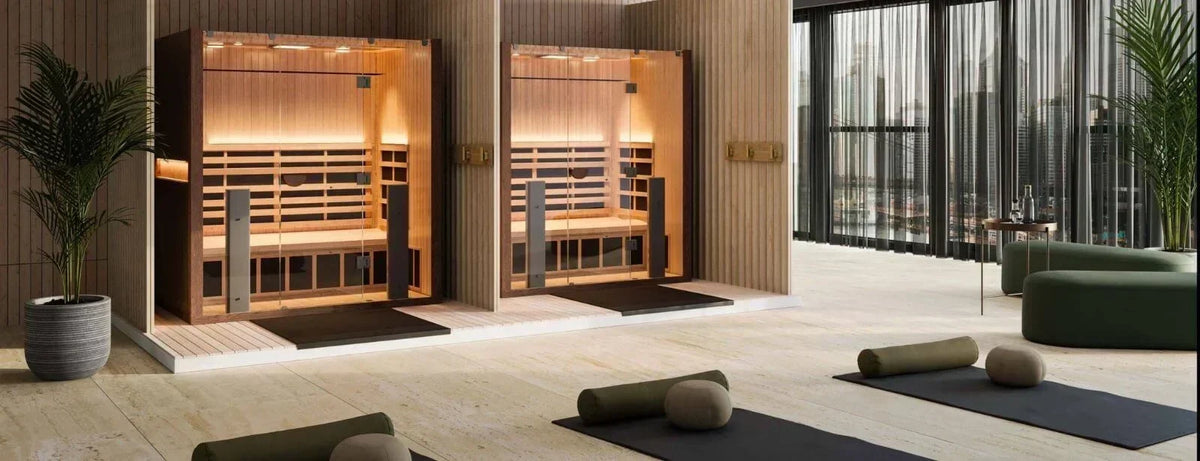
Infrared sauna rooms are becoming a popular choice for people who want a more relaxing wellness routine at home, but there is often one question before buying: should you choose a residential infrared sauna or a commercial infrared sauna?
At first glance, they may look very similar. Both use infrared heaters, both warm the body directly instead of heating the entire room like a traditional sauna, and both are designed to create a comfortable heat therapy experience. However, the difference becomes clearer when you look at how often they are used, how they are built, and what kind of features they need to support.
A sauna for your home has a different job than one installed in a gym, spa, hotel or wellness center. Understanding those differences can help you choose a model that fits your lifestyle instead of paying for features you may never use.
What Is a Residential Infrared Sauna Room?
A residential infrared sauna room is designed mainly for personal or family use. It is built around comfort, convenience, and creating a relaxing wellness space at home.
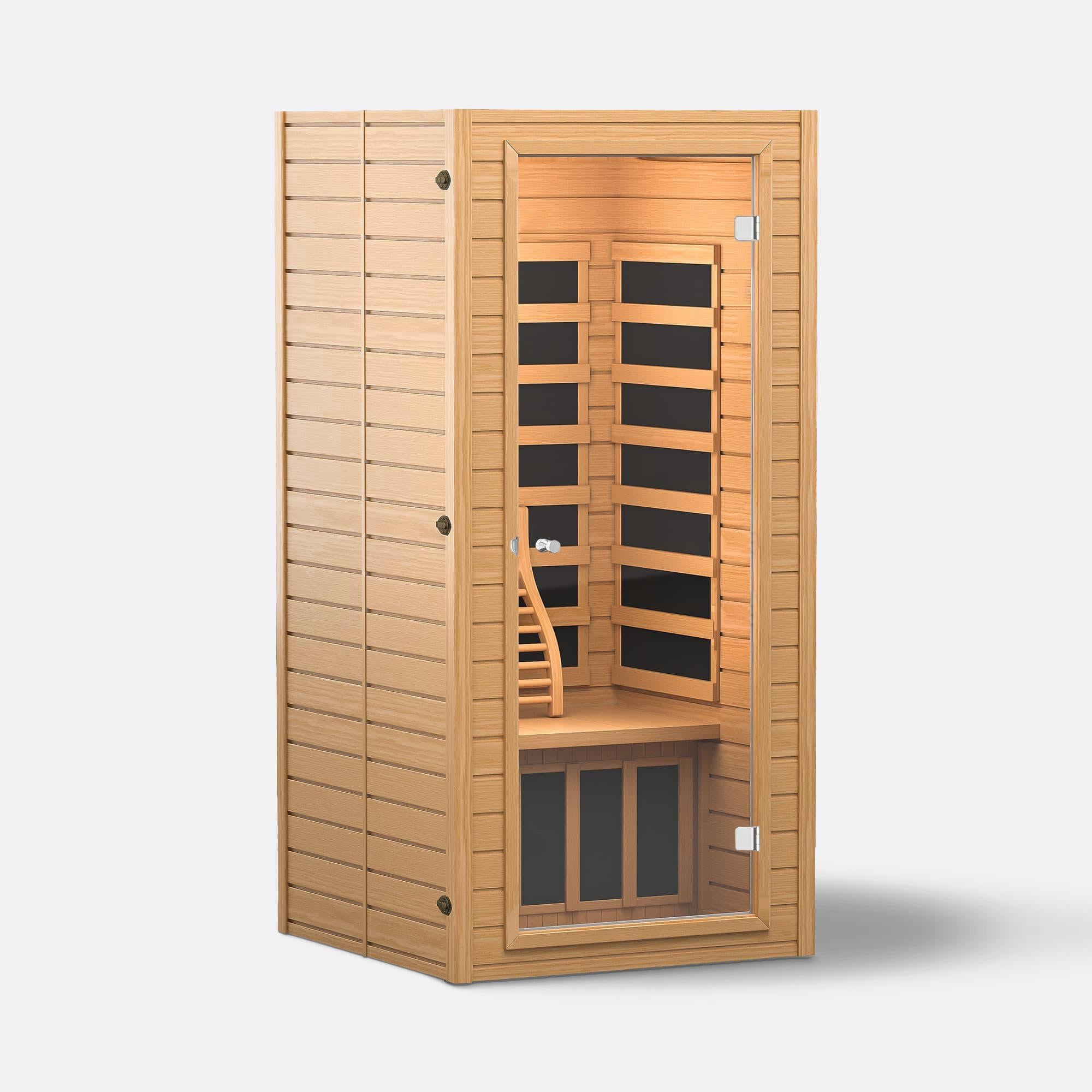
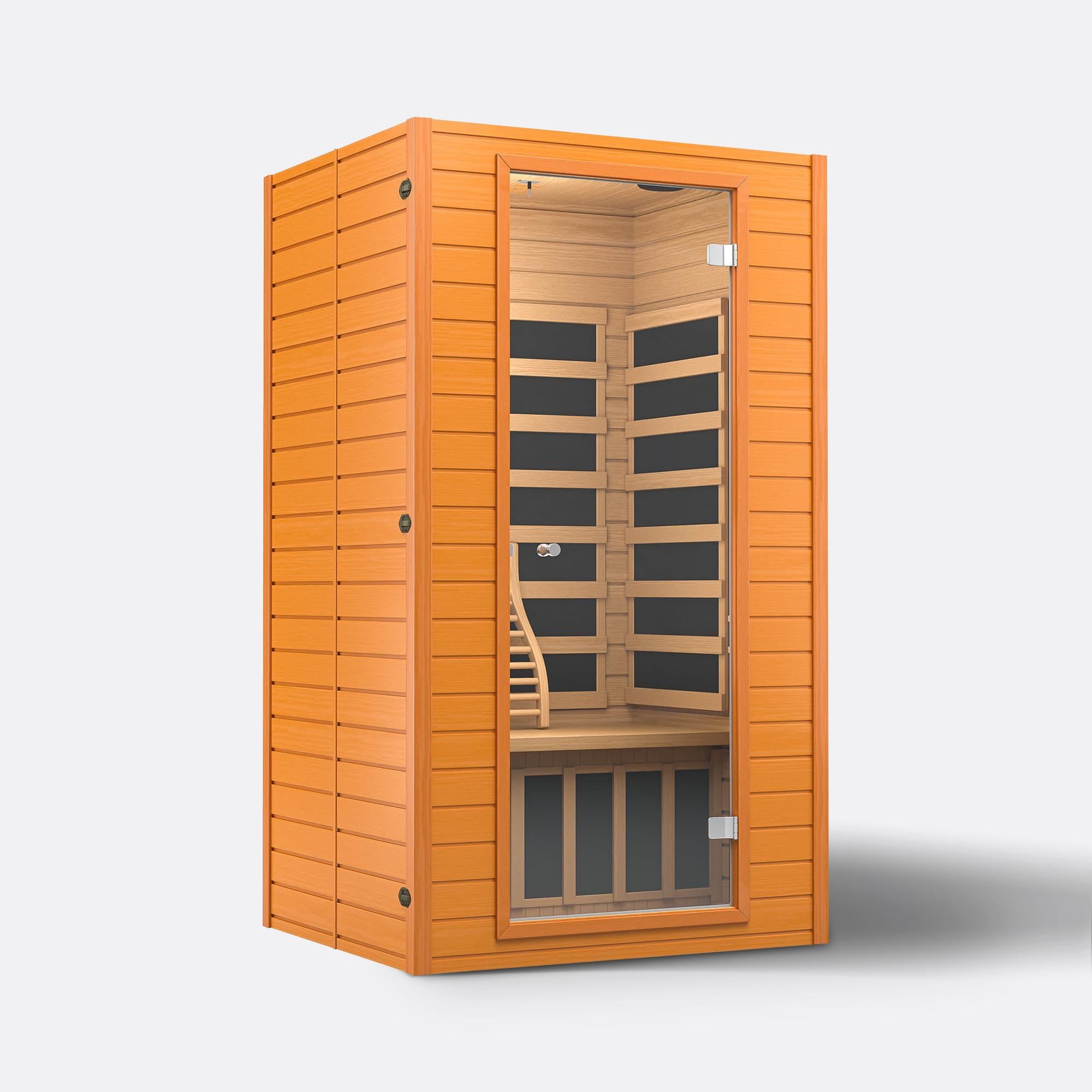
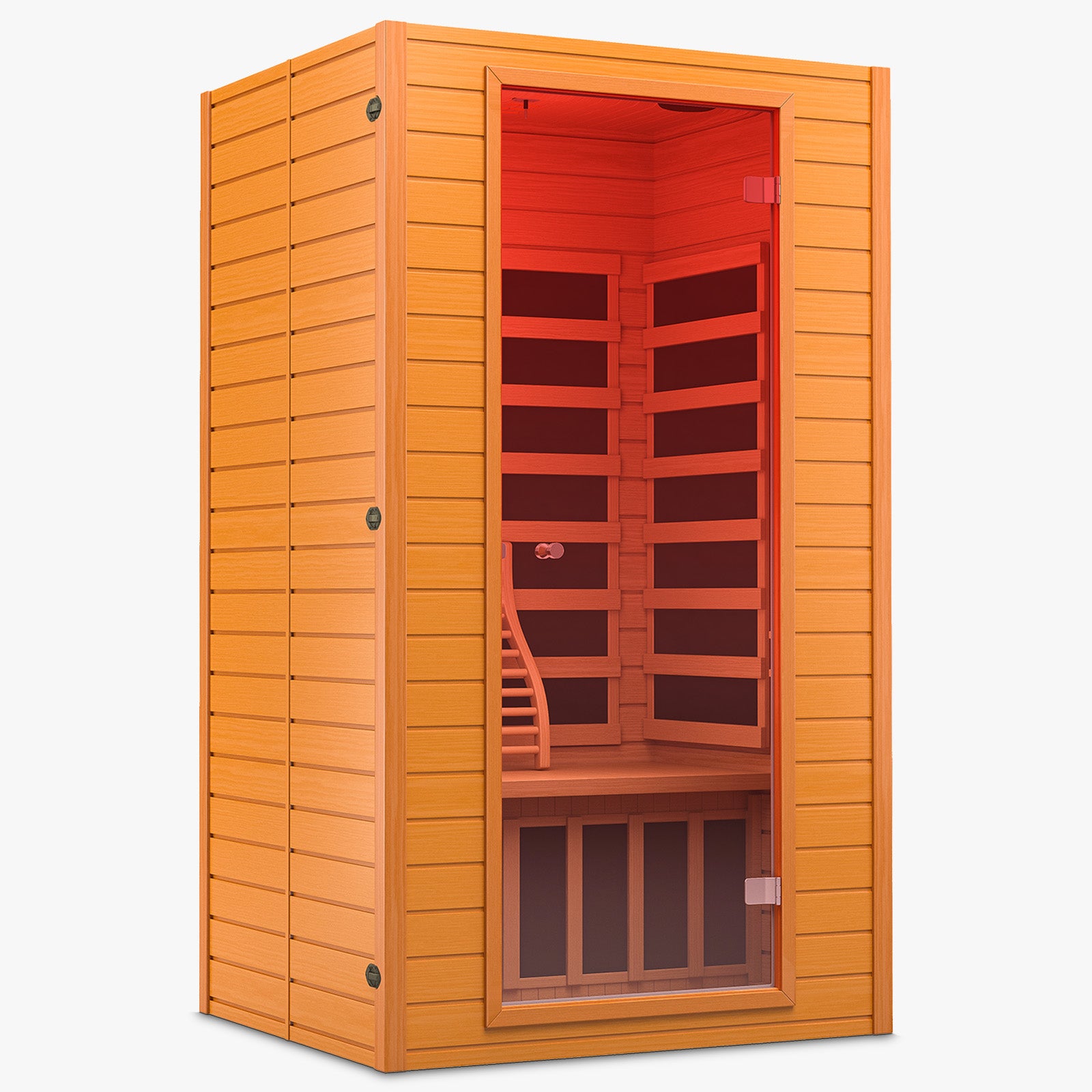
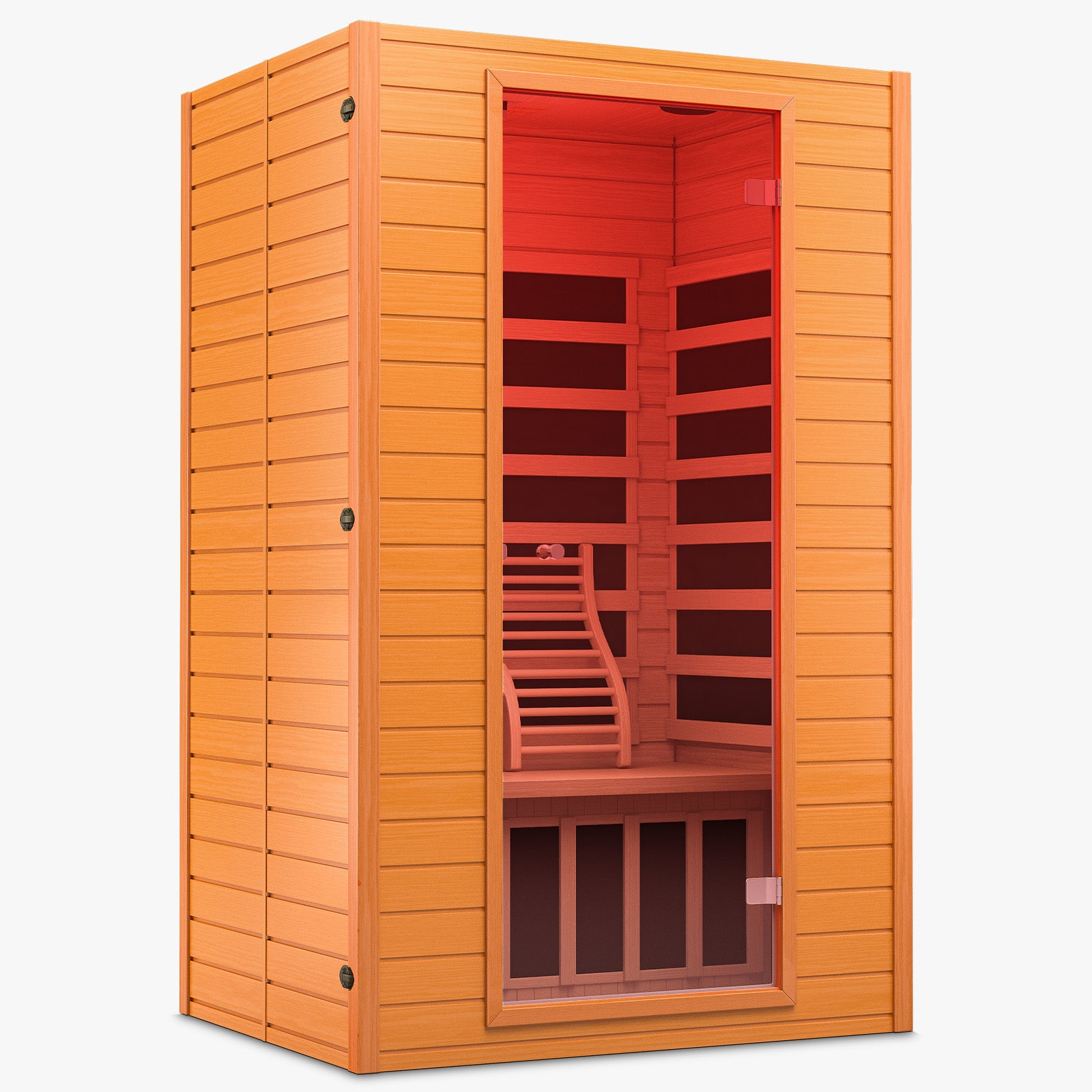
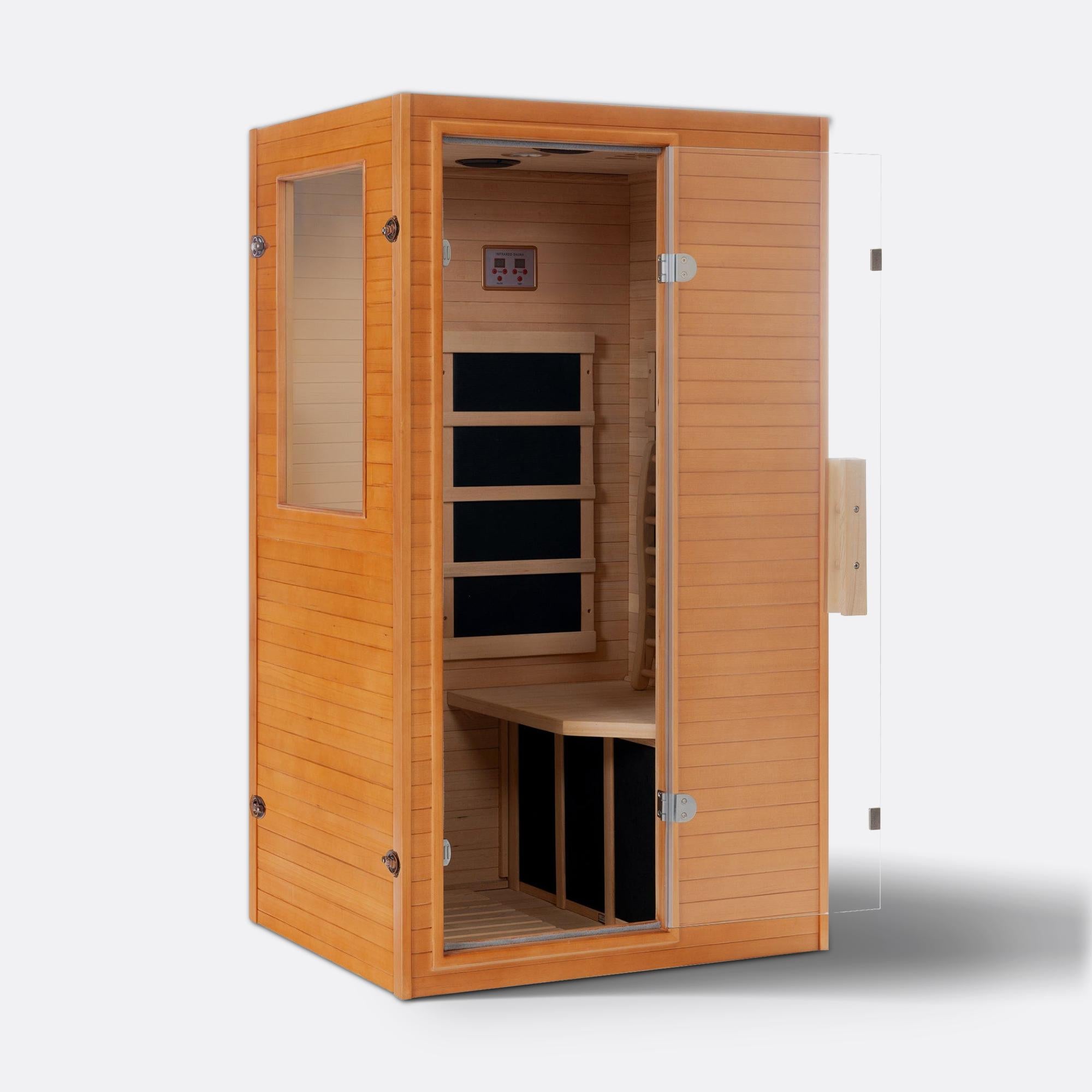
Most home infrared saunas are compact enough to fit in bedrooms, basements, home gyms, or spare rooms. A popular example is a two-person infrared sauna room, such as the Springspa infrared sauna models, which are designed to combine relaxation features with home-friendly sizing.

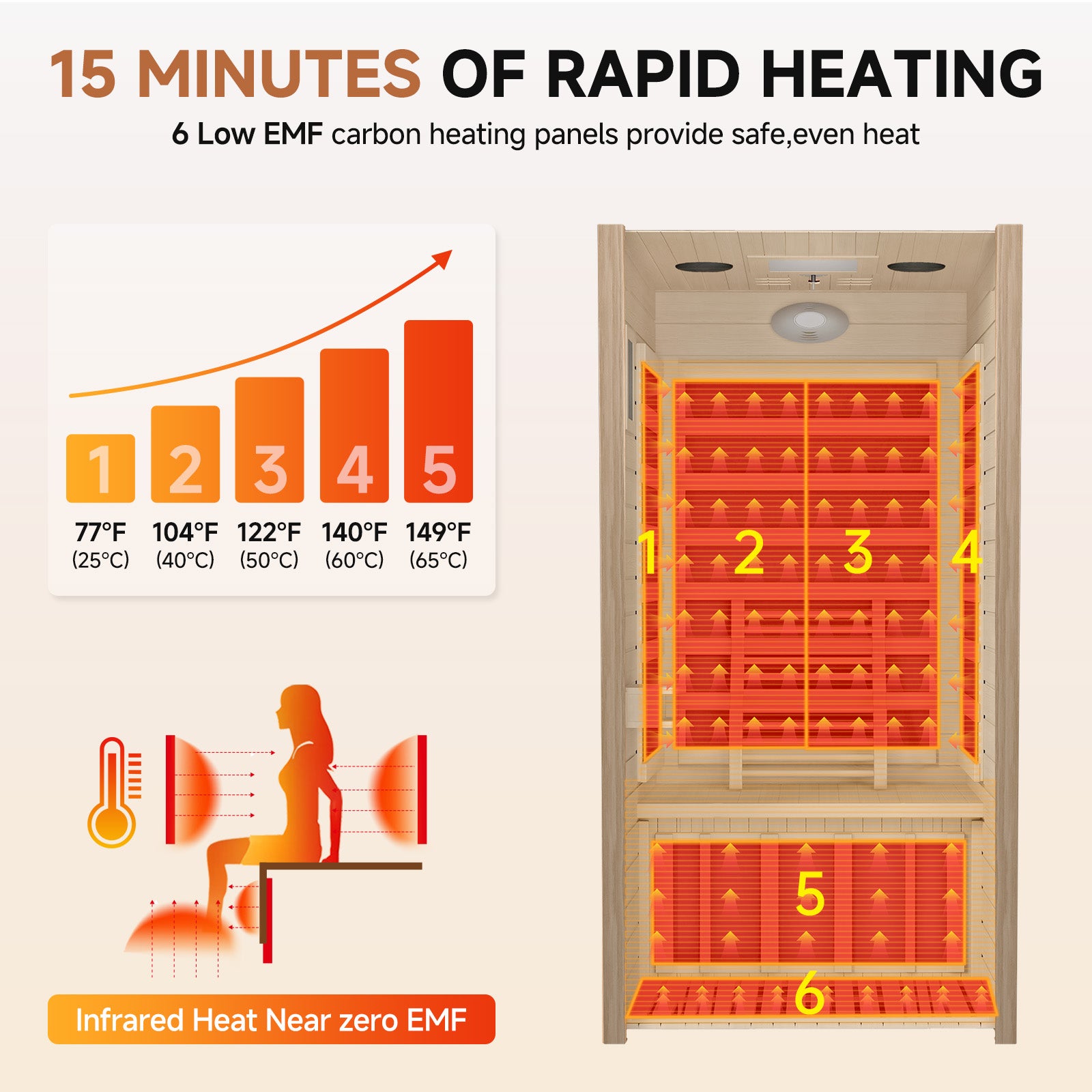
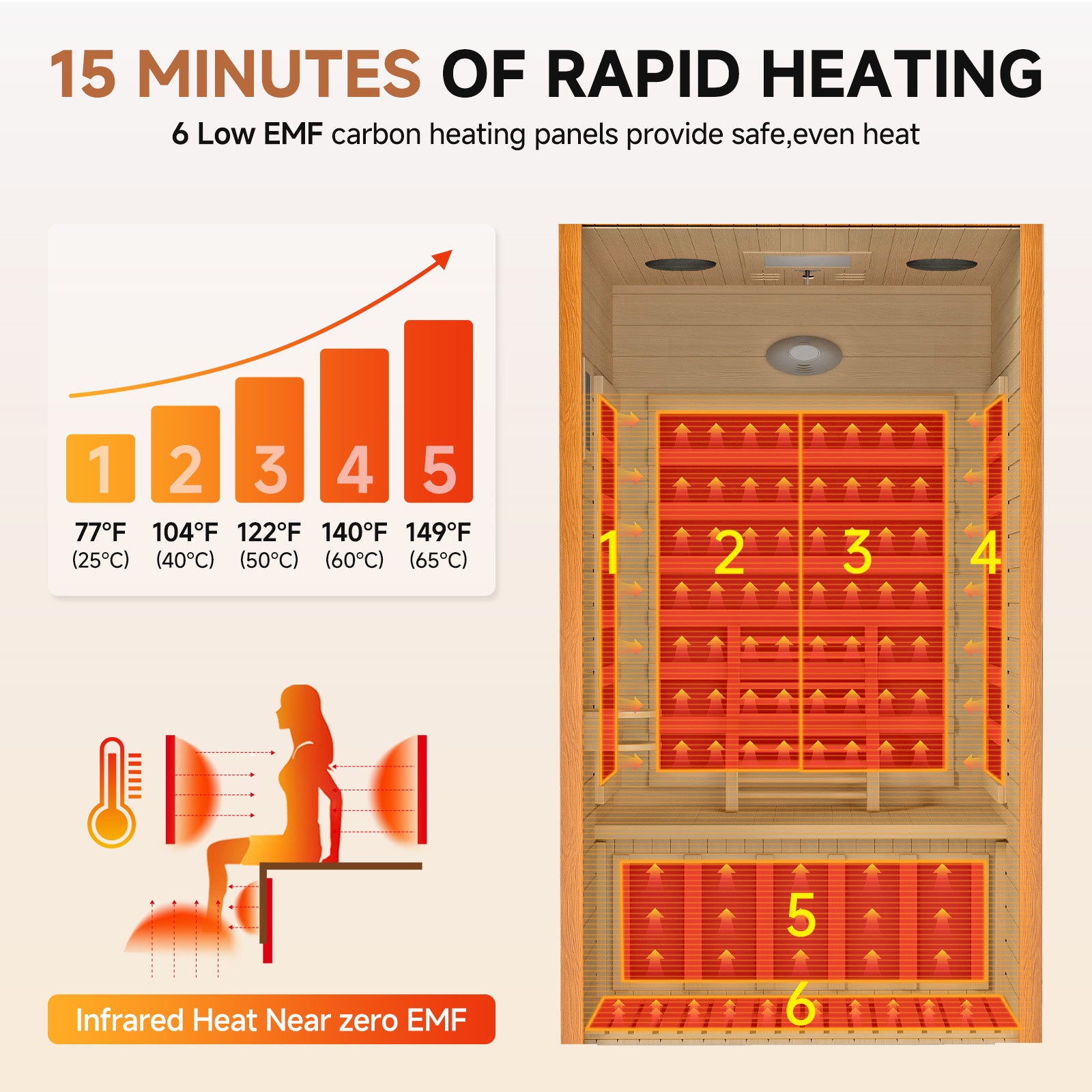
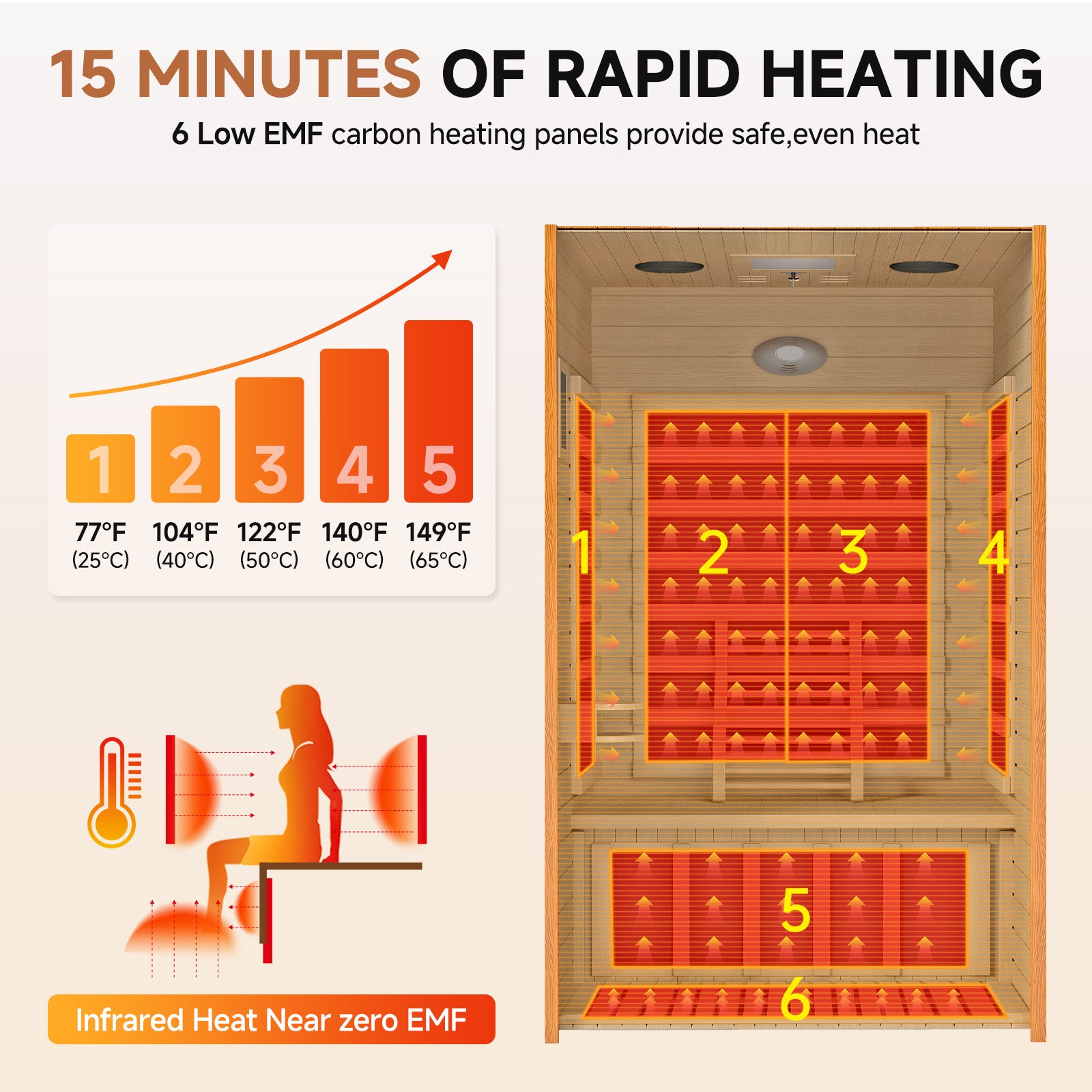
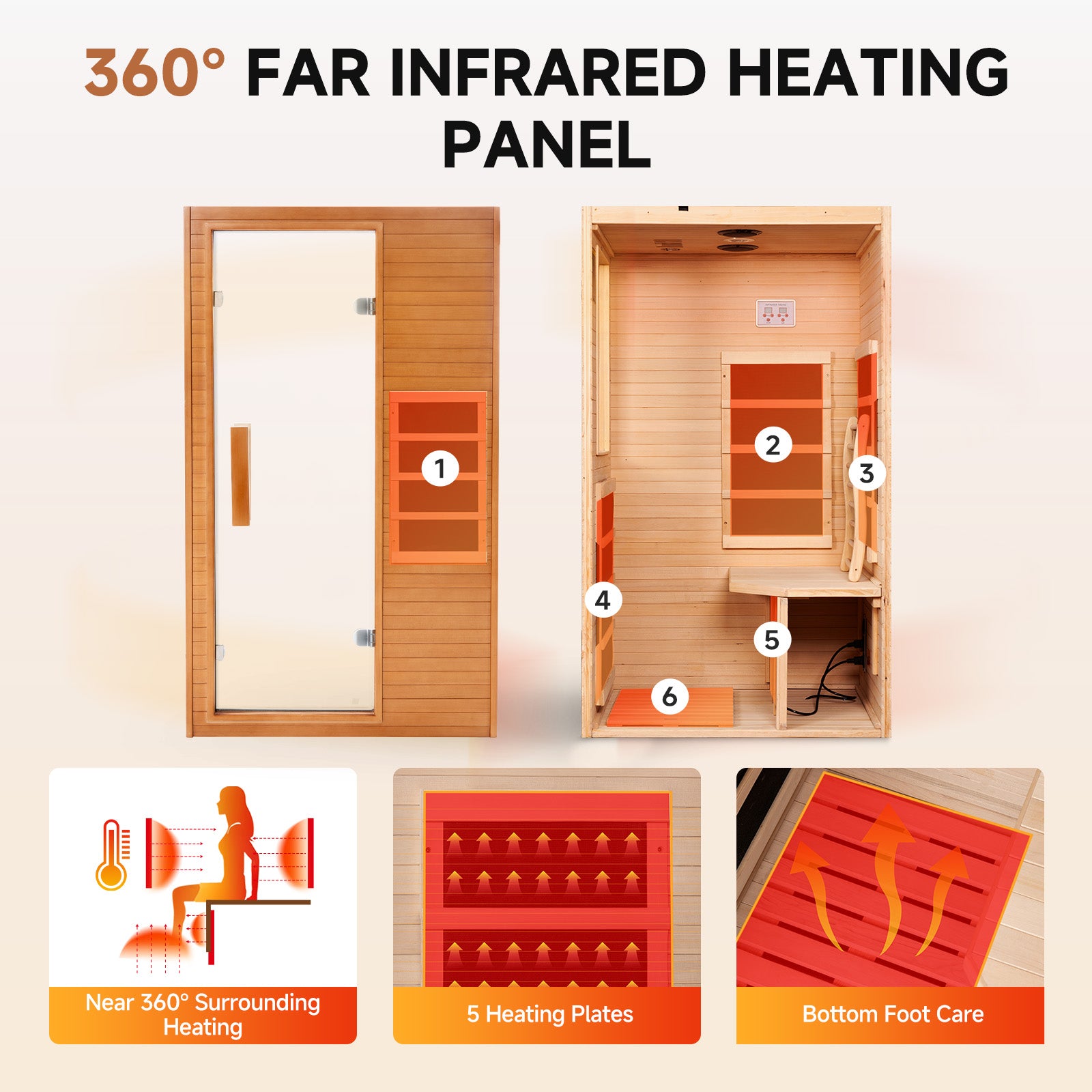
A typical residential infrared sauna may include features such as infrared heating panels, temperature controls, Bluetooth speakers, chromotherapy lighting, and sometimes red light therapy. These features are focused on improving the overall user experience.
For example, a residential model like a 1.9-meter infrared sauna room may use Canadian hemlock wood, mica heating panels, a Bluetooth-enabled control panel, seven-color LED lighting, and a red light therapy lamp. These features allow users to create a personalized relaxation session without leaving home.

Home infrared saunas usually operate with standard residential electrical requirements, making installation easier. Many models are designed for 120V power systems, although some higher-powered units may require dedicated circuits depending on the specifications.
What Is a Commercial Infrared Sauna Room?
A commercial infrared sauna room is designed for heavy, repeated use. These units are commonly found in fitness centers, hotels, wellness clinics, luxury spas, and health clubs.
The biggest difference is durability. A commercial sauna may be used dozens of times per day, so every component needs to handle much higher traffic. The materials, heating system, electrical components, and control systems are usually built with long-term performance in mind.

Commercial models often have larger capacities, stronger ventilation systems, reinforced structures and more advanced control options. They may also include features that support multiple users, easier cleaning, and professional maintenance.
A spa or fitness center cannot rely on a sauna designed for occasional home sessions. Frequent operation requires equipment that can maintain consistent performance throughout the day.
Residential vs. Commercial Infrared Sauna Room Comparison
| Feature | Residential Infrared Sauna | Commercial Infrared Sauna |
|---|---|---|
| Main Use | Home relaxation and personal wellness | Spas, gyms, hotels, wellness facilities |
| Usage Frequency | Several times per week or daily by a small number of users | Multiple sessions every day |
| Size | Usually 1-3 person models | Larger rooms or multi-person cabins |
| Construction | Designed for comfort and home environments | Built for durability and heavy traffic |
| Installation | Usually easier with residential power requirements | Often requires professional installation |
| Controls | Simple digital panels, Bluetooth, lighting options | Advanced control systems and commercial settings |
| Maintenance Needs | Lower maintenance requirements | Designed for frequent cleaning and servicing |
| Cost | Generally more affordable | Higher investment due to stronger construction |
The Heating Technology Is Often Similar, But Performance Needs Are Different
Both residential and commercial infrared saunas use infrared technology to create heat. Instead of heating the air first, infrared waves warm the body directly. According to the National Center for Complementary and Integrative Health (NCCIH), heat-based therapies may support relaxation and temporary relief of muscle discomfort, although more research is needed for many health claims.
The infrared wavelength range used in sauna products can vary depending on the heater design. Many consumer infrared saunas use far infrared heating elements because they are designed to provide comfortable, even warmth during longer sessions.
The difference between residential and commercial models is usually not the basic concept of infrared heating. The key difference is how the system handles repeated use. A commercial sauna needs heating components that can operate reliably for many more hours.
Features You Usually See in Residential Infrared Saunas
Home users often care more about comfort and personal experience. That is why residential infrared saunas frequently include lifestyle-focused features.

Common features include:
Bluetooth audio systems
Many modern home saunas allow users to connect smartphones and play music or podcasts during a session.
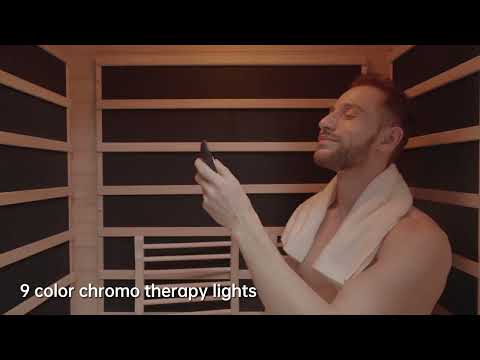
Chromotherapy lighting
Seven-color LED lighting is often included to create a relaxing atmosphere. Different colors are commonly used in wellness environments for mood and relaxation purposes, although claims about specific therapeutic effects vary.
Red light therapy
Some infrared sauna rooms add red light therapy panels. Red light devices commonly use wavelengths such as 660nm red light and 850nm near-infrared light. Research published in sources such as the National Institutes of Health database has investigated photobiomodulation, including potential effects on skin and cellular activity. More research is still ongoing, and users should view red light therapy as a wellness technology rather than a replacement for medical treatment.
Compact design
Residential models focus on fitting naturally into homes. A smaller footprint makes them easier to place in apartments, bedrooms, or personal fitness areas.
Why Commercial Sauna Rooms Cost More
Commercial infrared saunas usually cost more because they are designed for a completely different workload.
Imagine a hotel wellness center where guests use the sauna throughout the morning and evening. The sauna needs to handle constant heating cycles, frequent cleaning, and regular operation without creating downtime.
Commercial units often use stronger frames, more durable interior materials, upgraded electrical systems, and components that are easier for technicians to inspect and replace.
They may also have safety features designed for public environments, including clearer operating instructions, stronger ventilation, and additional monitoring systems.
Which Infrared Sauna Room Is Right for You?
For most homeowners, a residential infrared sauna is the better choice. If your goal is relaxation after work, creating a home wellness corner, or enjoying occasional heat sessions with family members, a residential model provides the features most people actually need. A residential infrared sauna with features like Bluetooth control, chromotherapy lighting, red light therapy, and comfortable seating can create a spa-like experience without requiring a commercial setup.
A commercial infrared sauna makes more sense when the unit will serve many users every day. Businesses need equipment designed around reliability, durability, and continuous operation.
Choosing between the two comes down to usage. A home sauna should match your personal routine, while a commercial sauna should match the demands of a business environment.
Final Thoughts on Choosing an Infrared Sauna Room
Residential and commercial infrared sauna rooms share the same basic goal: creating a relaxing heat therapy experience. The difference is how they are designed to support different lifestyles.
A residential infrared sauna focuses on comfort, convenience, and bringing wellness into your own space. A commercial infrared sauna focuses on durability, capacity, and handling high-frequency use. For homeowners looking for a personal wellness upgrade, a well-designed residential infrared sauna like those offered by Springspa can provide many of the features people want today, including smart controls, lighting options, and modern infrared heating technology.
Before making a decision, consider where the sauna will be installed, how often it will be used, and who will use it. The right choice is the one that fits your daily life and delivers a comfortable experience you will actually enjoy using.






Share:
Can Users Sleep or Meditate Inside an Infrared Sauna Safely?
Infrared Sauna and Red Light Therapy for Muscle Recovery and Joint Comfort?