


Living near the ocean has plenty of perks. Fresh air, mild weather, and that relaxed coastal feeling are hard to beat. But there is one thing homeowners in coastal areas know well: moisture gets everywhere. That naturally raises a question if you're thinking about adding an indoor infrared sauna: Can an infrared sauna be used safely in a humid or coastal environment?
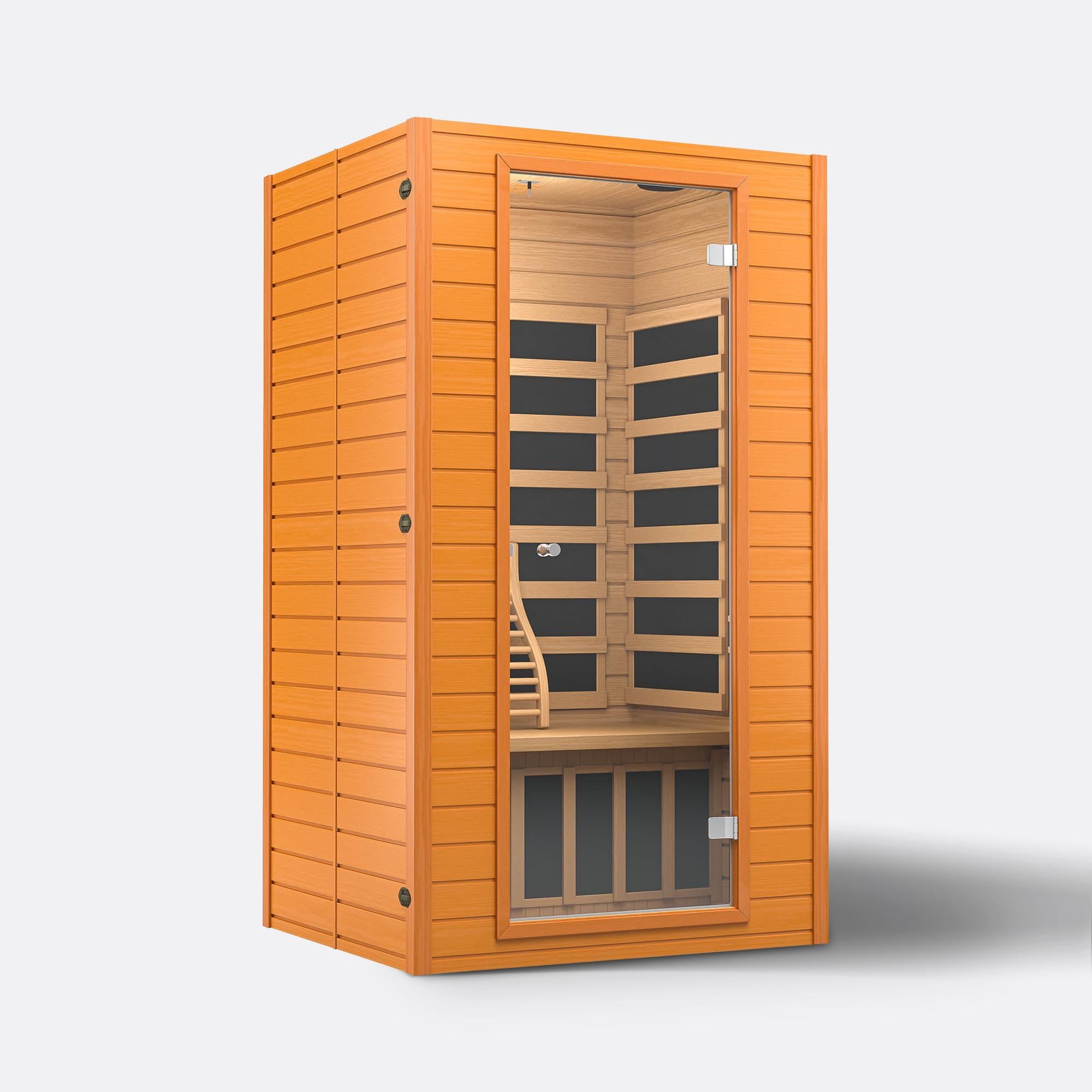
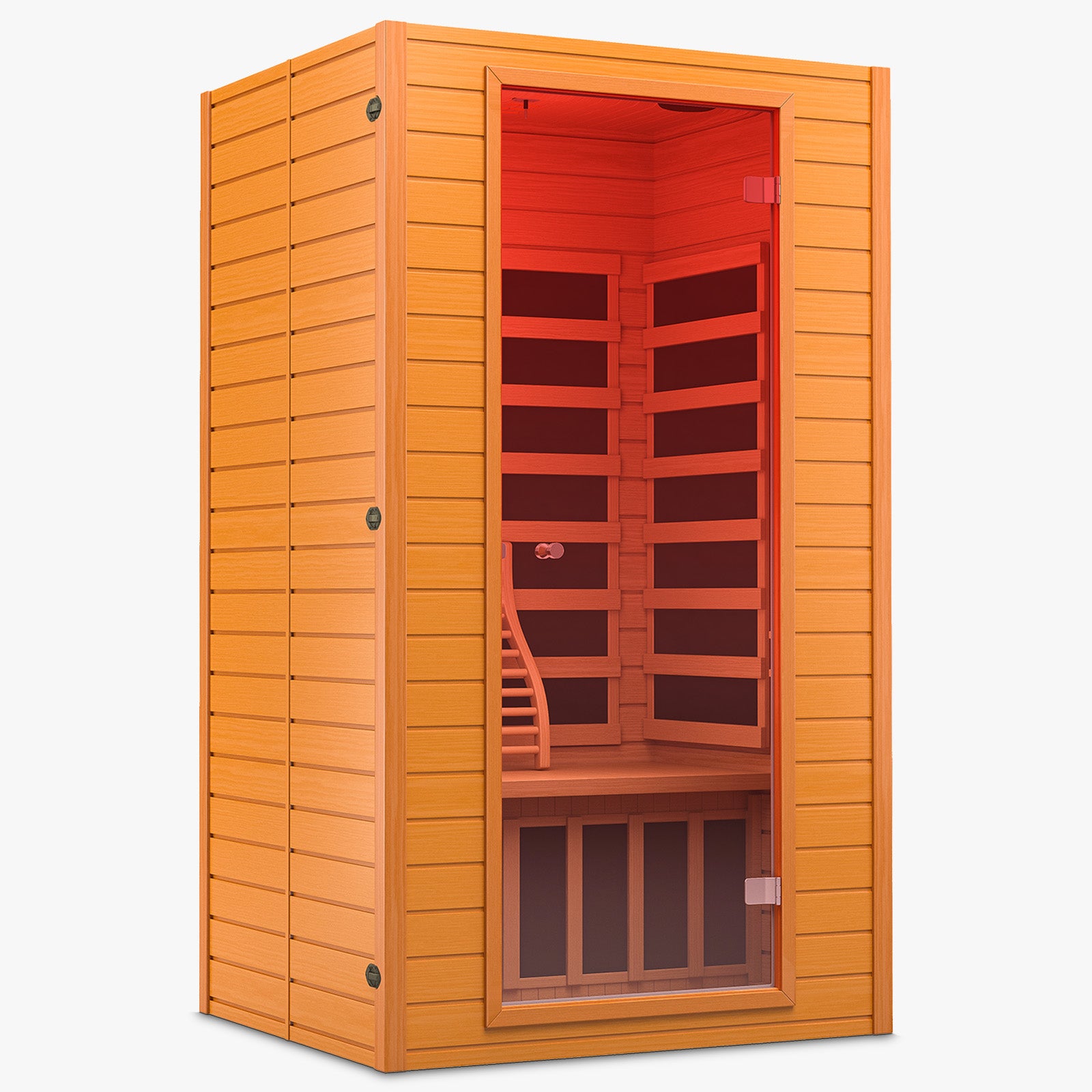
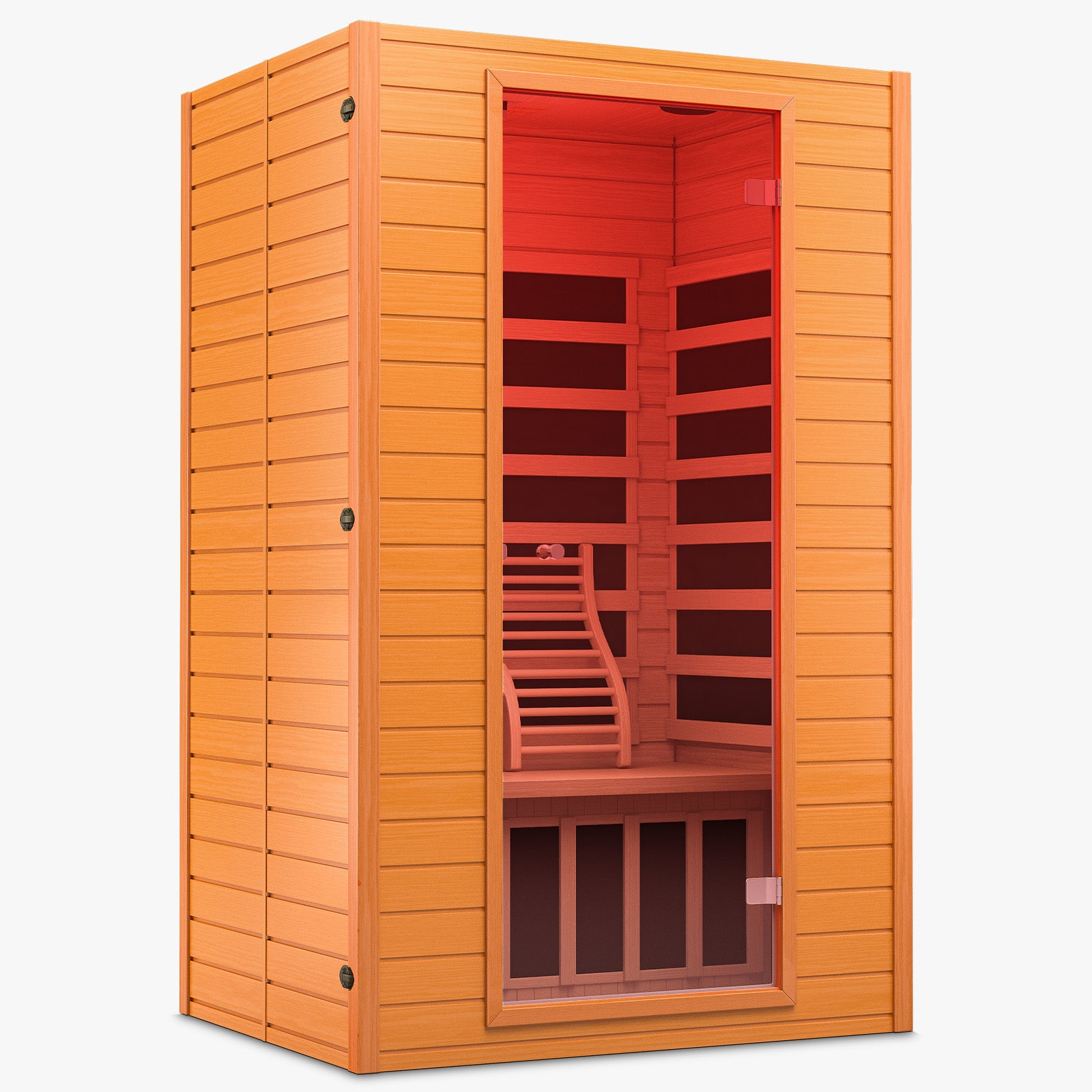
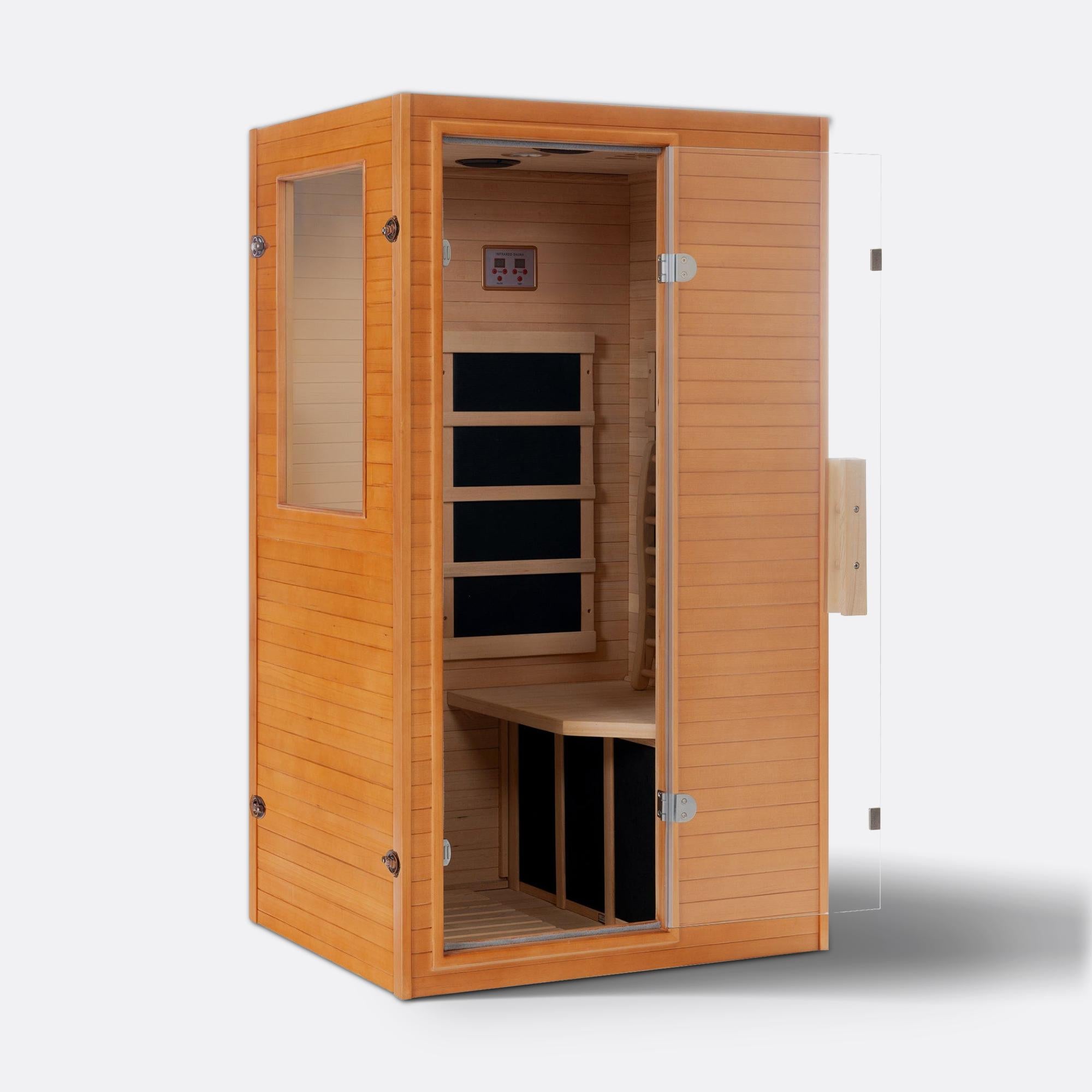
The short answer is yes, but the room and the sauna need to stay reasonably dry. An indoor infrared sauna isn't designed to work like a steam room and high humidity, condensation, or direct water exposure can create problems for both the wood cabin and electrical components. For models such as Springspa indoor infrared saunas, a little extra attention to ventilation and moisture control can make a big difference.
Humidity Isn't the Same as a Steam Room
An infrared sauna heats the body directly with infrared energy rather than filling the cabin with large amounts of steam. That means you don't need to add water to create the sauna experience. In fact, the product instructions specifically warn users not to pour water into the equipment or heating boards and not to clean the sauna with steam cleaners, high-pressure cleaners, or sprayed water. That's especially important in coastal homes. A naturally humid room isn't automatically a deal-breaker, but continuously high humidity can make moisture control much harder. The U.S. Environmental Protection Agency recommends keeping indoor relative humidity below 60%, with 30% to 50% considered ideal in many homes, because excess moisture can encourage mold growth.
So, if your home regularly feels damp, don't assume that running an infrared sauna will somehow dry everything out. The better approach is to control the room's humidity first.
What Makes Coastal Environments Different?
Coastal air often contains more moisture, and some homes can also experience condensation because of temperature changes. Salt in the surrounding environment can add another maintenance concern, particularly for exposed metal components. The sauna itself still needs a normal indoor environment rather than a wet-room setup.
This is where location matters. A dedicated room with air conditioning, ventilation, or a dehumidifier is generally a much better choice than a damp basement, enclosed porch, laundry room, or bathroom that regularly develops condensation. You don't need to turn the room into a laboratory. A simple digital hygrometer can tell you whether the humidity is staying in a reasonable range.
If the room frequently sits above 60% relative humidity, especially when condensation appears on windows, walls, or other surfaces, it's worth addressing the moisture problem before making the sauna part of your daily routine. The EPA specifically recommends reducing moisture and drying damp areas promptly.
Keep the Sauna Dry After Every Session
This is probably the most useful habit for anyone living in a humid climate. After a sauna session, open the door and allow the warm air and moisture to escape. The Springspa product instructions recommend opening the sauna door after use so heat and humid water vapor can dissipate and the cabin can dry. It also helps to put a towel on the bench before using the sauna. The instructions recommend this because it helps prevent sweat from dripping directly onto the wood. That small step matters even more in a coastal home. You're trying to avoid letting moisture sit on wood surfaces for long periods.
Afterward, wipe up visible moisture and give the cabin enough time to air out before closing it up again.
Don't Put an Indoor Sauna in a Wet Room
A humid environment and a wet environment are two different things. A bedroom in Miami with air conditioning and controlled humidity is one thing. A bathroom where the sauna is regularly exposed to shower steam is another. The second situation is much harder on the equipment. The sauna manual specifically says not to store the unit in a humid environment and recommends frequent ventilation and drying in humid climates.
So, while an indoor infrared sauna can make sense in a coastal home, placing it directly beside a frequently used shower isn't ideal. A dry spare room, home gym, bedroom, or wellness area is usually a more practical setup.
What About the Electrical Components?
This is the part you really don't want to overlook. An infrared sauna contains heaters, wiring, a control system, lighting, and other electrical components. The Springspa model in the provided specifications, for example, uses a 120V, 20A electrical system and includes a control panel, Bluetooth functionality, heating elements, lighting, and a red-light therapy lamp.
Humidity by itself doesn't mean an electrical appliance will immediately become unsafe. The bigger concern is direct water exposure, condensation, wet hands, leaks, or flooding. The sauna instructions specifically say not to touch the control panel or electrical components with wet hands. The U.S. Consumer Product Safety Commission also warns consumers not to use electrical appliances that have been exposed to standing water until they have been properly evaluated.
So if a coastal storm causes flooding, a roof leak reaches the sauna, or water gets into the electrical system, don't simply let it dry and switch it back on. Have the equipment inspected appropriately.
Can Salt Air Damage an Indoor Sauna?
Potentially, yes, but there's an important distinction. A sauna located inside a properly conditioned home isn't exposed to coastal air in the same way as an outdoor appliance sitting on a balcony. Still, if your home has persistently salty, humid air, regular cleaning and inspection are sensible. Keep the area around the sauna clean and dry, and look for unusual discoloration, corrosion, loose connections, or moisture around electrical components.
The goal isn't to obsess over every drop of humidity. It's simply to avoid allowing moisture to become a permanent part of the sauna's environment.
Does Humidity Affect the Wood?
It can. Wood naturally responds to changes in moisture. In a humid environment, prolonged exposure to moisture can contribute to swelling, surface changes, odors, or eventually mold if the conditions are bad enough. That's another reason ventilation matters.
The EPA notes that mold can grow on materials including wood when sufficient moisture is present, and controlling moisture is one of the key ways to reduce indoor mold growth. For an infrared sauna, the practical approach is straightforward: keep sweat under control, don't introduce water, ventilate after sessions, and avoid storing the sauna in a persistently damp room.
A Few Habits Make Coastal Sauna Use Easier
If you live somewhere humid, you don't necessarily need a complicated maintenance routine. Keep a hygrometer in the room so you know what's happening with humidity. Use air conditioning or a dehumidifier when necessary. Leave the sauna door open after a session so the cabin can dry. Wipe away visible moisture, and avoid using steam cleaners or spraying water into the cabin.
Also, don't use bath products, pour water onto the heaters, or treat an infrared sauna like a traditional steam sauna. The product instructions specifically prohibit these practices. And if you notice persistent condensation, a musty smell, mold, or moisture around electrical components, stop and deal with the underlying moisture problem rather than simply continuing to use the sauna.
So, Can You Use One Near the Coast?
Yes. Living in a humid or coastal area doesn't automatically rule out an indoor infrared sauna. The bigger question is whether you can provide a reasonably dry, ventilated indoor space.
A well-maintained Springspa infrared sauna can fit comfortably into a coastal home when it's kept away from direct water, protected from excessive moisture, and allowed to dry properly after use. The product documentation itself emphasizes ventilation and drying in humid climates, which is exactly the habit coastal homeowners should pay attention to. Think of it this way: humid air is manageable; standing water and persistent condensation are the real problems.
Keep the room's humidity under control, give the sauna some breathing room after each session, and treat the electrical components with the same care you'd give any household appliance. That's a much better setup for enjoying an infrared sauna year-round, even when you live close to the ocean.












Share:
Can Infrared Saunas Be Installed in Apartments, Bedrooms or Bathrooms?
Full Spectrum Infrared Sauna vs Red Light Therapy: Why They’re Not the Same Thing