


Red light therapy has become a popular part of many wellness routines. People use it at home for different reasons, including supporting skin appearance, easing muscle discomfort, improving relaxation and helping the body recover after physical activity. With more people adding red light therapy to their daily schedules, one common question comes up: Are there any side effects from using red light therapy frequently?
The short answer is that red light therapy is generally considered safe for most healthy adults when used properly. Unlike ultraviolet (UV) light from the sun or tanning beds, red and near-infrared light do not work in the same way and do not cause the same type of skin damage associated with UV exposure. However, frequent use, incorrect settings, or using a device in the wrong way may cause temporary discomfort for some people.
Understanding how red light therapy works and how to use it correctly can help create a more comfortable and effective experience.
How Does Red Light Therapy Work?
Red light therapy, also known as photobiomodulation, uses specific wavelengths of red and near-infrared light to interact with the body. These wavelengths can reach different layers of the skin and may influence cellular activity. Research suggests that red and near-infrared light may affect mitochondrial activity, which is related to how cells produce energy. Scientists have studied photobiomodulation for areas such as skin health, inflammation response, and tissue recovery. The National Center for Complementary and Integrative Health (NCCIH) notes that light-based therapies are being studied for several health applications, including pain management and skin-related conditions.

Many modern wellness products, including at-home devices and infrared wellness systems from brands like Springspa, are designed to make light-based wellness routines easier to include in everyday life. However, the experience can vary depending on the device quality, wavelength, intensity, and how often it is used.
Common Side Effects of Frequent Red Light Therapy Use
Most people do not experience serious problems from red light therapy. When side effects appear, they are usually mild and temporary. They often happen because of long sessions, high-intensity exposure or individual sensitivity.

One of the most common reactions is temporary skin redness or warmth. Some users notice that their skin feels slightly warmer after a session or appears a little red. This usually happens because light exposure can temporarily increase blood circulation near the skin surface. In most cases, the sensation disappears naturally after treatment.
If redness continues for a long period or becomes uncomfortable, it may be a sign that the session time, distance, or frequency needs adjustment. Using a device according to the manufacturer's instructions is important because different red light therapy devices can have very different power levels.
Can Red Light Therapy Cause Eye Problems?
Eye discomfort is another possible concern, especially with powerful LED devices. Red light itself is not the same as harmful UV radiation, but bright light exposure can still feel uncomfortable if someone looks directly into the LEDs for an extended period.

Some users may experience temporary eye strain, sensitivity to light, or mild headaches after exposure. This is why many manufacturers recommend avoiding direct eye contact with strong light sources or using protective eyewear when needed.
People who already have eye conditions or who take medications that increase sensitivity to light should speak with a healthcare professional before making frequent red light therapy part of their routine.
Can Frequent Red Light Therapy Dry Out or Irritate Skin?
Although red light therapy is often used as part of skincare routines, some people with sensitive skin may notice dryness or mild irritation after frequent sessions. This is more likely to happen when the device is used too close to the skin, when treatment sessions are longer than recommended, or when the skin barrier is already sensitive. If irritation occurs, reducing the frequency of sessions and allowing the skin time to recover may improve comfort. Using gentle skincare products and keeping the skin properly moisturized can also help maintain skin balance.

Is It Possible to Use Too Much Red Light Therapy?
A common misunderstanding is that longer sessions will always provide better results. However, more exposure does not necessarily mean better outcomes. Red light therapy effectiveness depends on several factors, including wavelength, light intensity, treatment distance and session length. A high-powered professional device may require a different schedule compared with a smaller home device.
Many at-home devices provide recommended treatment times, often ranging from several minutes to around 20 or 30 minutes per session. Following those guidelines is usually a better approach than increasing exposure without a clear reason. The goal of red light therapy safety is not to use the longest session possible, but to find a routine that your body responds to comfortably.
Who Should Be Careful With Red Light Therapy?
While red light therapy is suitable for many healthy adults, some people should take additional precautions before using it frequently.
People with certain eye conditions, light-sensitive skin conditions, or those taking photosensitizing medications may have a higher chance of experiencing unwanted reactions. For example, some medications can make the skin more sensitive to light, which may increase the possibility of irritation. Anyone receiving medical treatment or managing a health condition should consider discussing regular red light therapy use with a healthcare provider.
Does Red Light Therapy Damage Skin Like Sun Exposure?
Many people compare red light therapy with sunlight because both involve light exposure. However, they are very different. Ultraviolet radiation from sunlight can damage skin cells and contribute to premature skin aging. Red light therapy uses longer wavelengths that do not contain UV radiation. The American Academy of Dermatology (AAD) explains that different types of light can have different effects on the skin, and UV exposure is a major factor related to skin damage.
This does not mean every red light device should be used without limits. Device quality, correct usage, and following safety instructions still matter.
How to Use Red Light Therapy More Safely at Home
Using at-home red light therapy does not need to be complicated. A few simple habits can make sessions more comfortable.
Start with shorter sessions if you are new to red light therapy. This allows you to understand how your skin and body respond before increasing frequency.
Always check the recommended distance between your body and the device. Sitting too close to a high-powered device may increase exposure intensity.
It is also helpful to keep a consistent routine instead of using very long sessions occasionally. Many wellness routines work better when they are comfortable and sustainable.

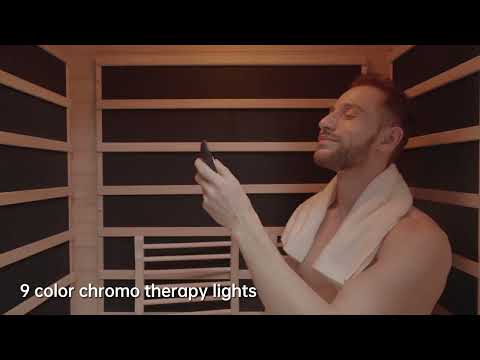
Red light therapy in Springspa full spectrum infrared sauna
Products from brands such as Springspa focus on creating a relaxing home wellness environment where users can incorporate light-based features into their daily routines. As with any wellness product, following the recommended instructions is an important part of getting a comfortable experience.
Finding a Comfortable Red Light Therapy Routine
Frequent red light therapy use is generally well tolerated by many people, but mild side effects such as temporary redness, warmth, eye discomfort, dryness, or headaches can happen.
The best approach is to pay attention to your body's response, follow device recommendations, and avoid assuming that more exposure will always bring better results. A balanced routine with appropriate session length and proper device use can help create a more enjoyable wellness experience.
For people who are interested in adding red light therapy to their lifestyle, choosing a reliable device and using it responsibly are important steps toward a safe and comfortable routine.















Share:
Is Low-EMF Certification of an Infrared Sauna Important?
Can Users Sleep or Meditate Inside an Infrared Sauna Safely?