

Shopping for an infrared sauna can feel overwhelming. Every brand seems to advertise "low EMF," "near-zero EMF," or "ultra-low EMF," but what do these claims actually mean? More importantly, does low-EMF certification make a real difference, or is it simply another marketing phrase?
The answer is somewhere in the middle. While scientific evidence has not established that the low levels of electromagnetic fields (EMFs) produced by properly designed household appliances are harmful, many buyers still prefer an infrared sauna that has been independently tested and engineered to minimize unnecessary exposure. Choosing a model with verified low EMF isn't about fear—it's about transparency, product quality and confidence in what you're buying.
If you're comparing home infrared saunas, here's what you should know before making your decision.

What Does "Low EMF" Actually Mean?
Every infrared sauna runs on electricity, and every electrical appliance generates electromagnetic fields. Your refrigerator, hair dryer, laptop, television, and even your phone charger all produce EMFs to some degree.
Infrared saunas are no different. The heating panels require electricity to generate infrared heat, so some EMF is unavoidable. The real question isn't whether EMFs exist—it's whether the manufacturer has designed the sauna to keep emissions as low as reasonably achievable and whether those claims have been independently verified.
One important point often overlooked is that there is no universal legal definition of "low EMF." Different manufacturers may use different measurement methods, testing distances, or operating conditions. That's why simply seeing "low EMF" printed on a product page doesn't tell the whole story.
The International Electrotechnical Commission (IEC) developed IEC 62233, an internationally recognized standard that specifies methods for measuring electromagnetic fields from household electrical appliances. It doesn't certify that a product is "safe" or "low EMF," but it provides a consistent way to measure emissions across different products. (Source: International Electrotechnical Commission (IEC) – https://www.iec.ch)
Is There Scientific Evidence That Low EMF Is Healthier?
This is where it's important to separate scientific evidence from marketing language.
The World Health Organization (WHO) states that, based on current research, there is no confirmed evidence that exposure to low-level electromagnetic fields from household electrical devices causes adverse health effects. Research in this field continues, but today's evidence has not established a causal relationship for everyday consumer exposure.
Similarly, the U.S. National Cancer Institute notes that the scientific evidence has not consistently linked low-frequency EMF exposure with cancer in adults or children, although research continues to monitor long-term exposure.
That doesn't mean consumers shouldn't care about EMF. Many people prefer reducing unnecessary exposure whenever practical, especially since sauna sessions usually involve sitting close to heating panels for 20 to 45 minutes. Choosing a sauna with independently tested low EMF is often viewed as an extra layer of reassurance rather than a medical necessity.
Why Independent Certification Matters More Than Marketing Claims
When comparing infrared saunas, it's easy to find products promising "near-zero EMF." The challenge is figuring out which claims are backed by real testing.
Established manufacturers such as Health Mate, Sunlighten, Finnleo, and Clearlight Saunas have spent decades building their reputations by focusing on engineering quality, electrical safety, and transparent product testing. These companies generally publish detailed specifications and often provide testing documentation when requested. Newer brands can also produce excellent products, but buyers should always look beyond advertising language.
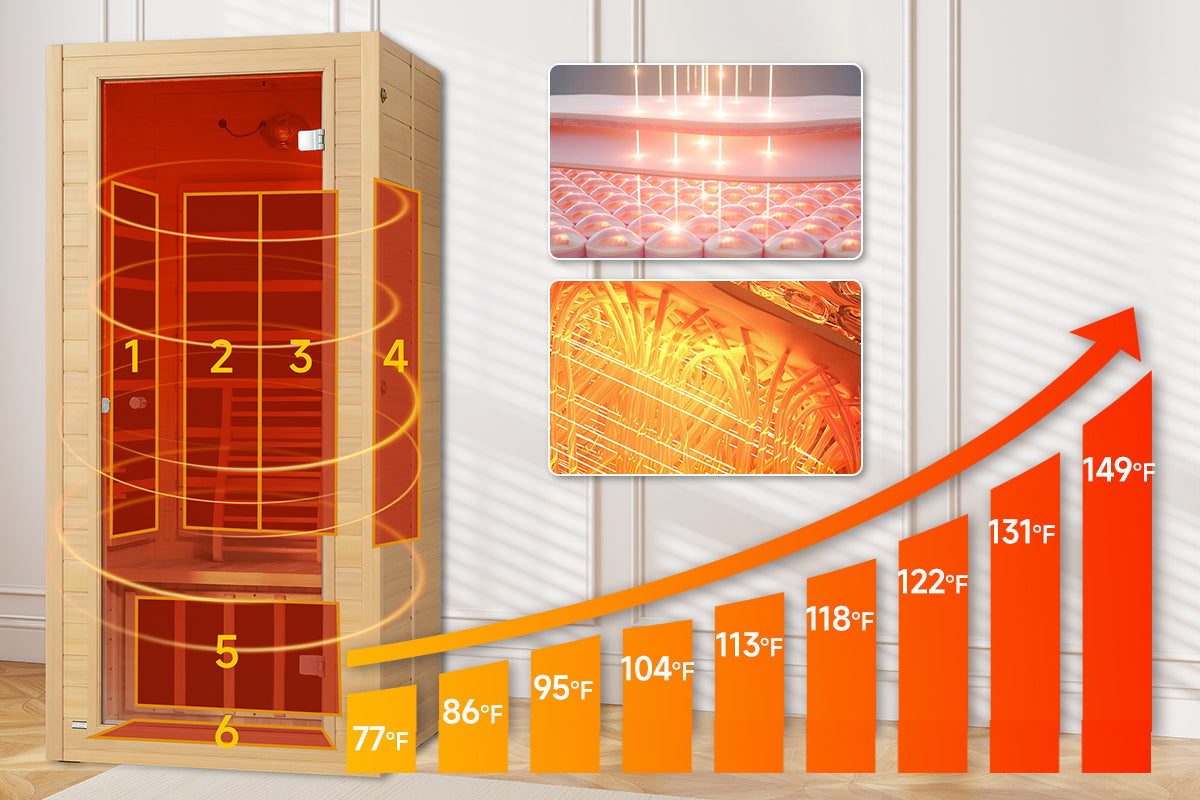
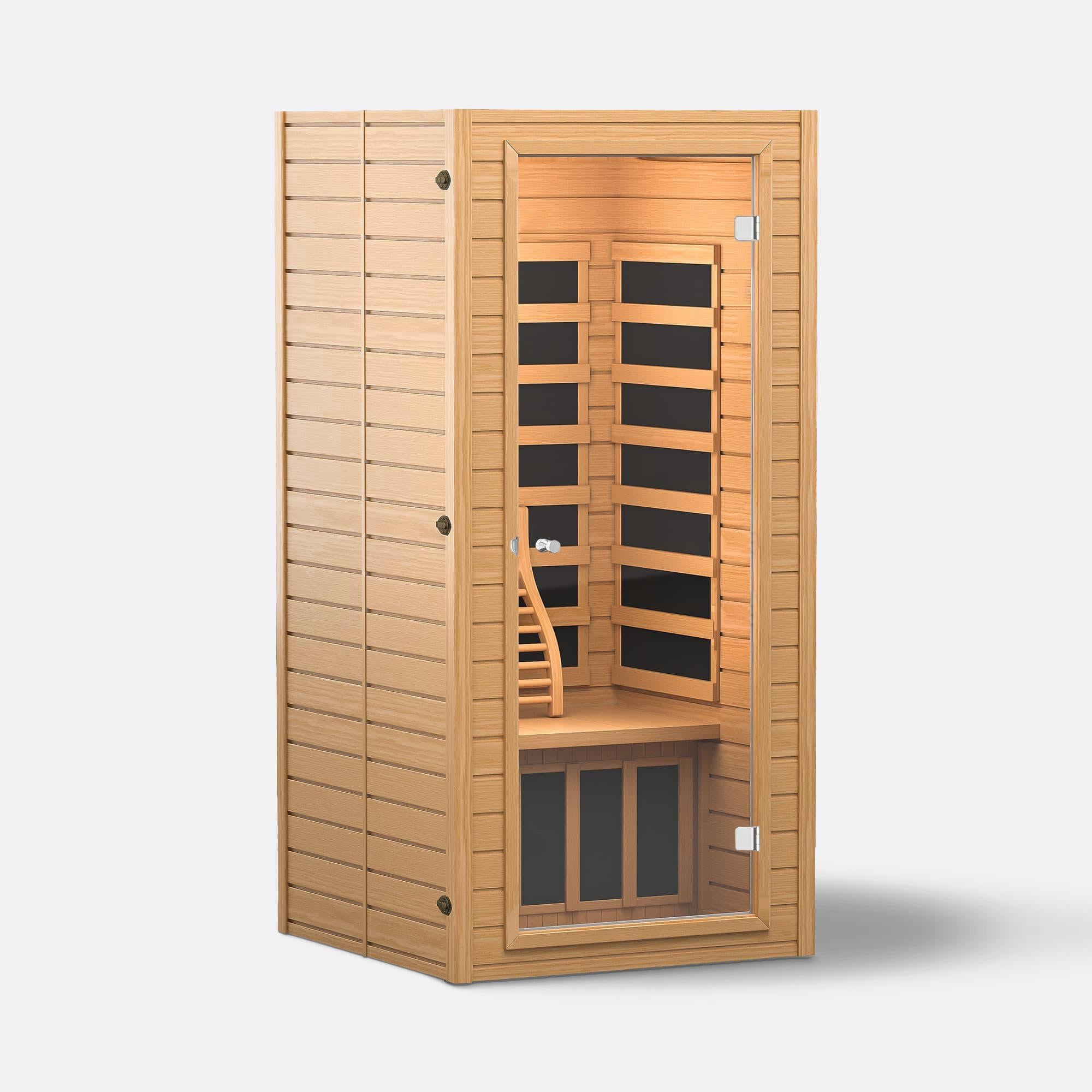
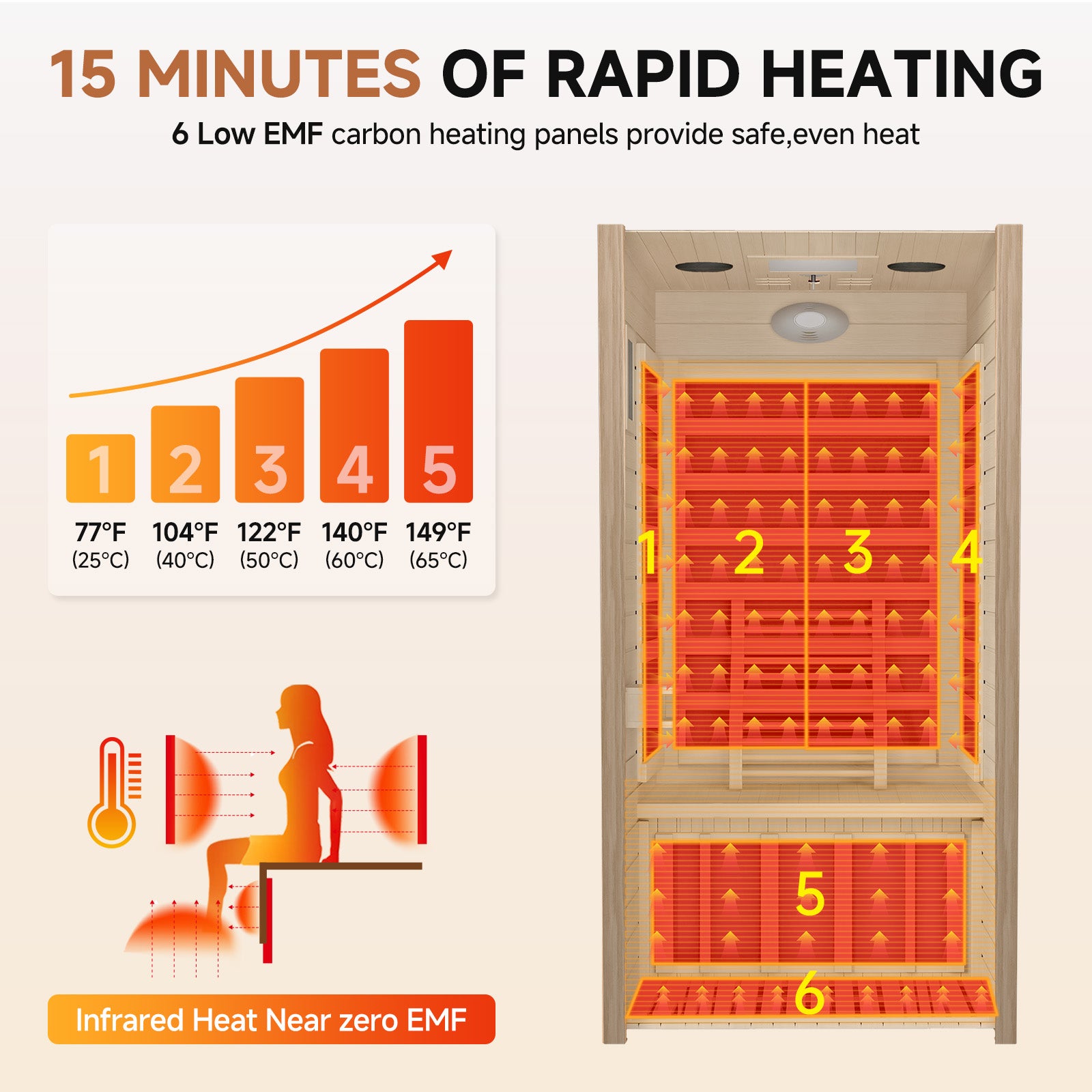
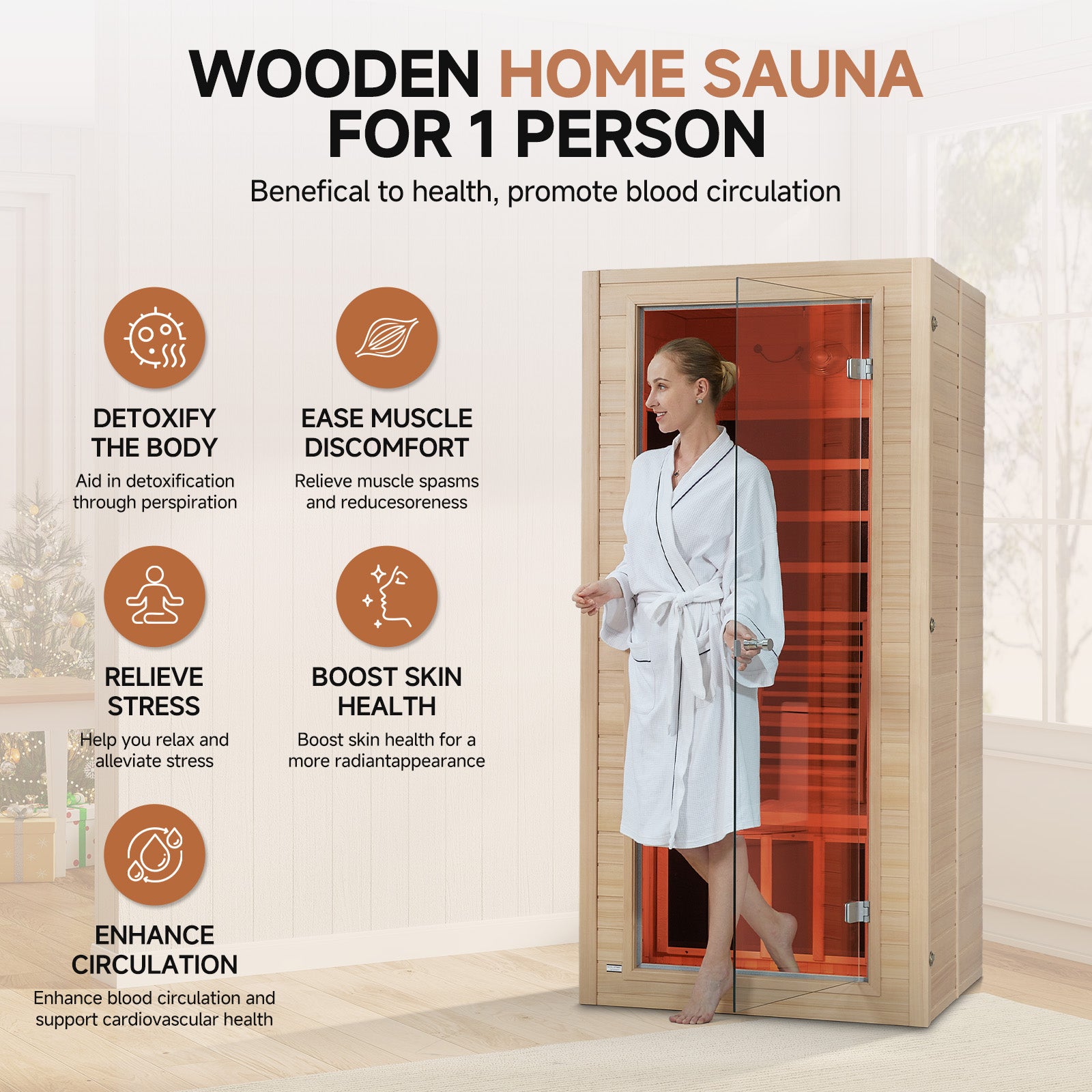
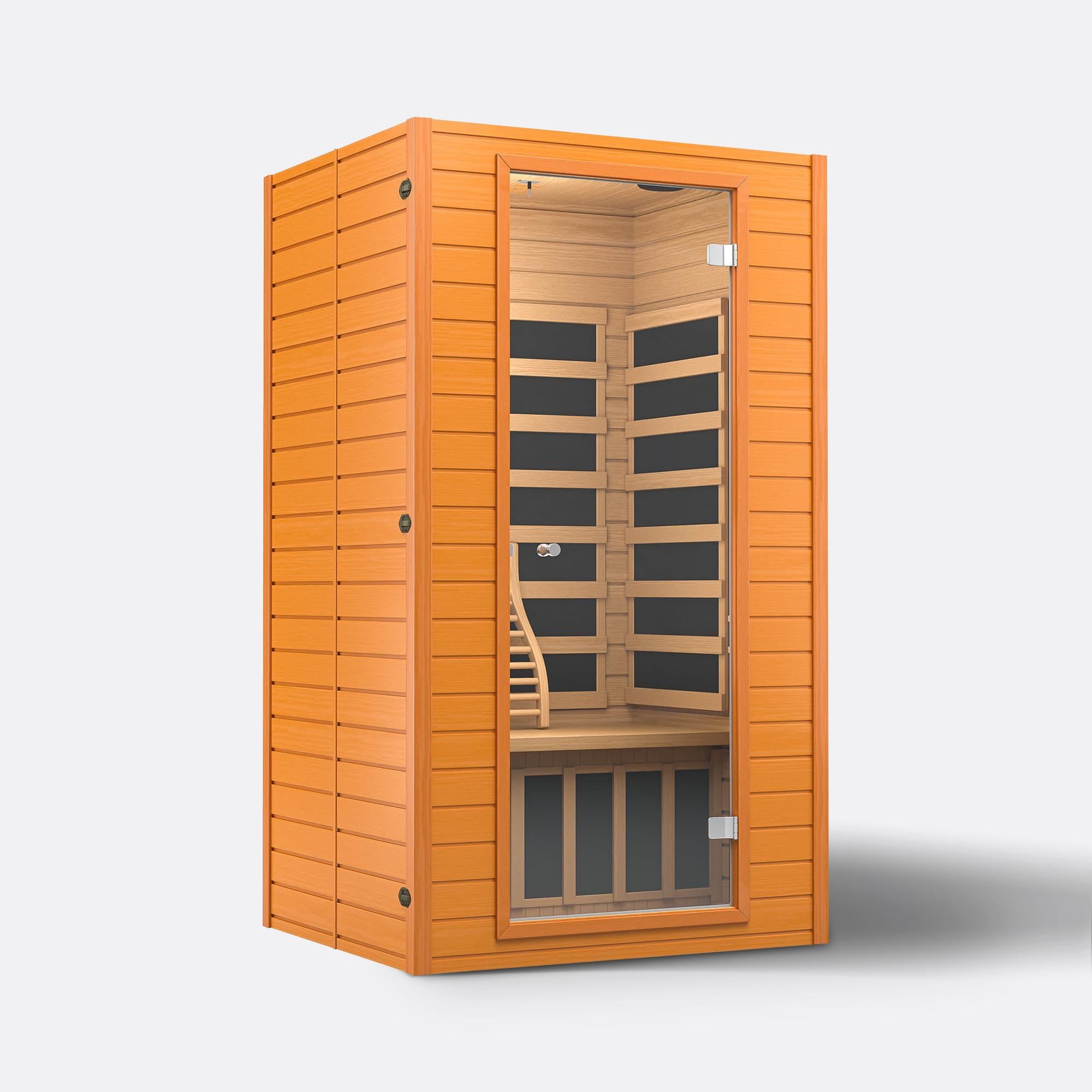
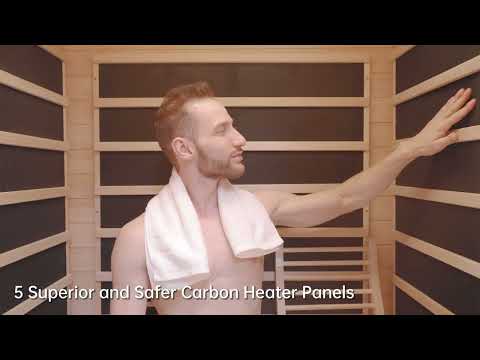
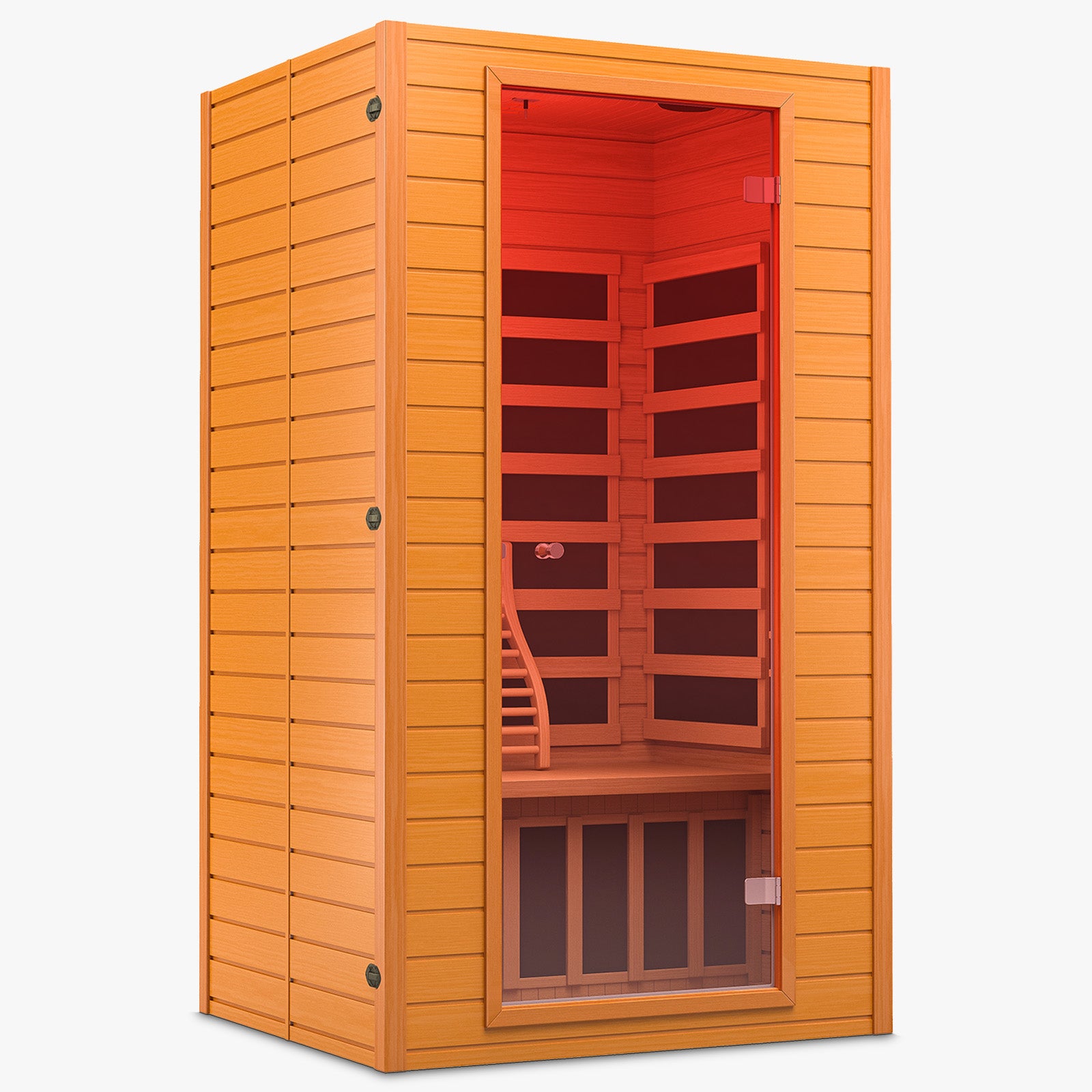
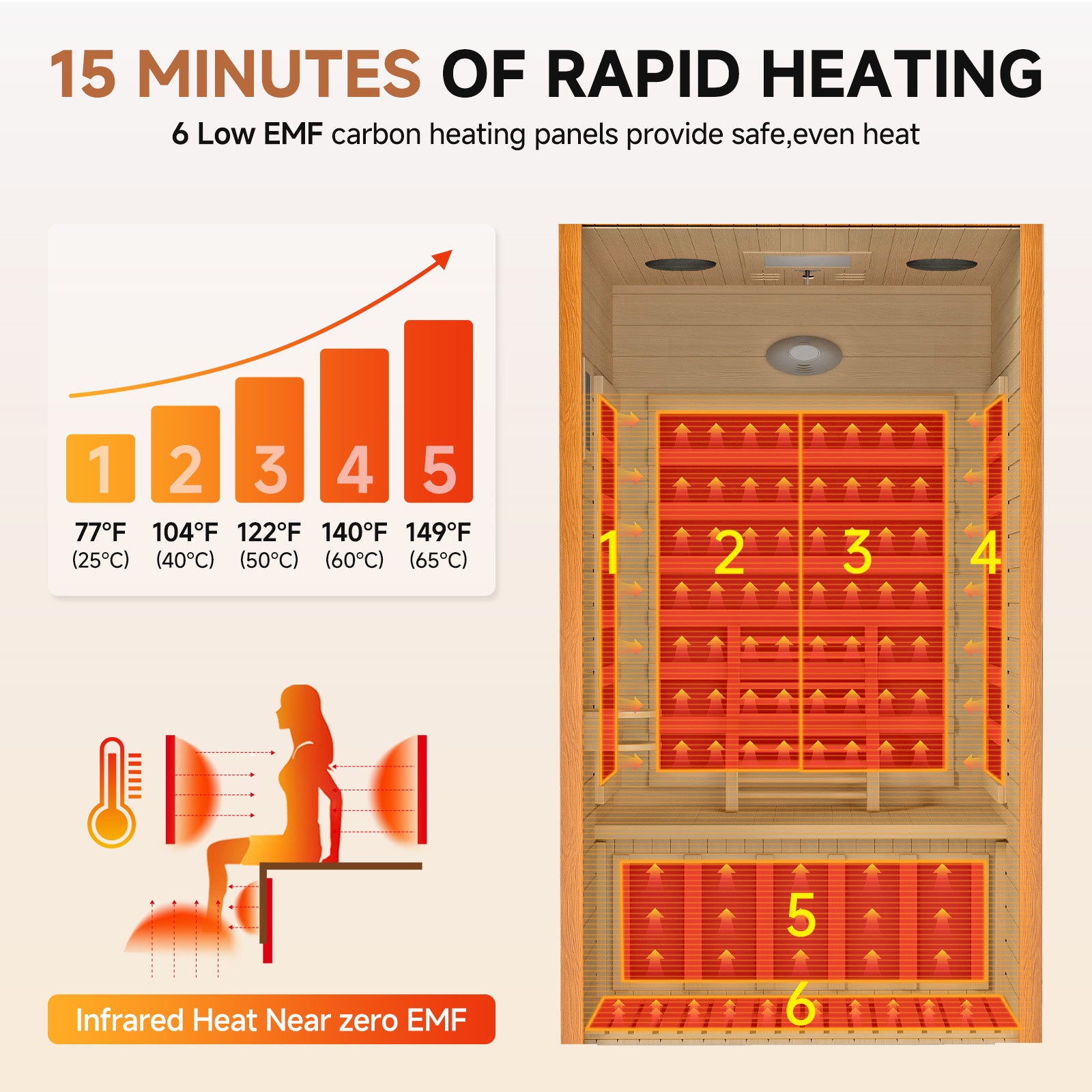
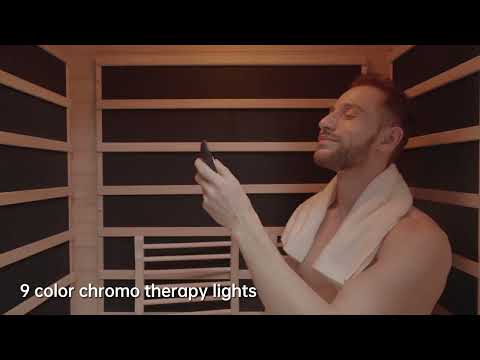
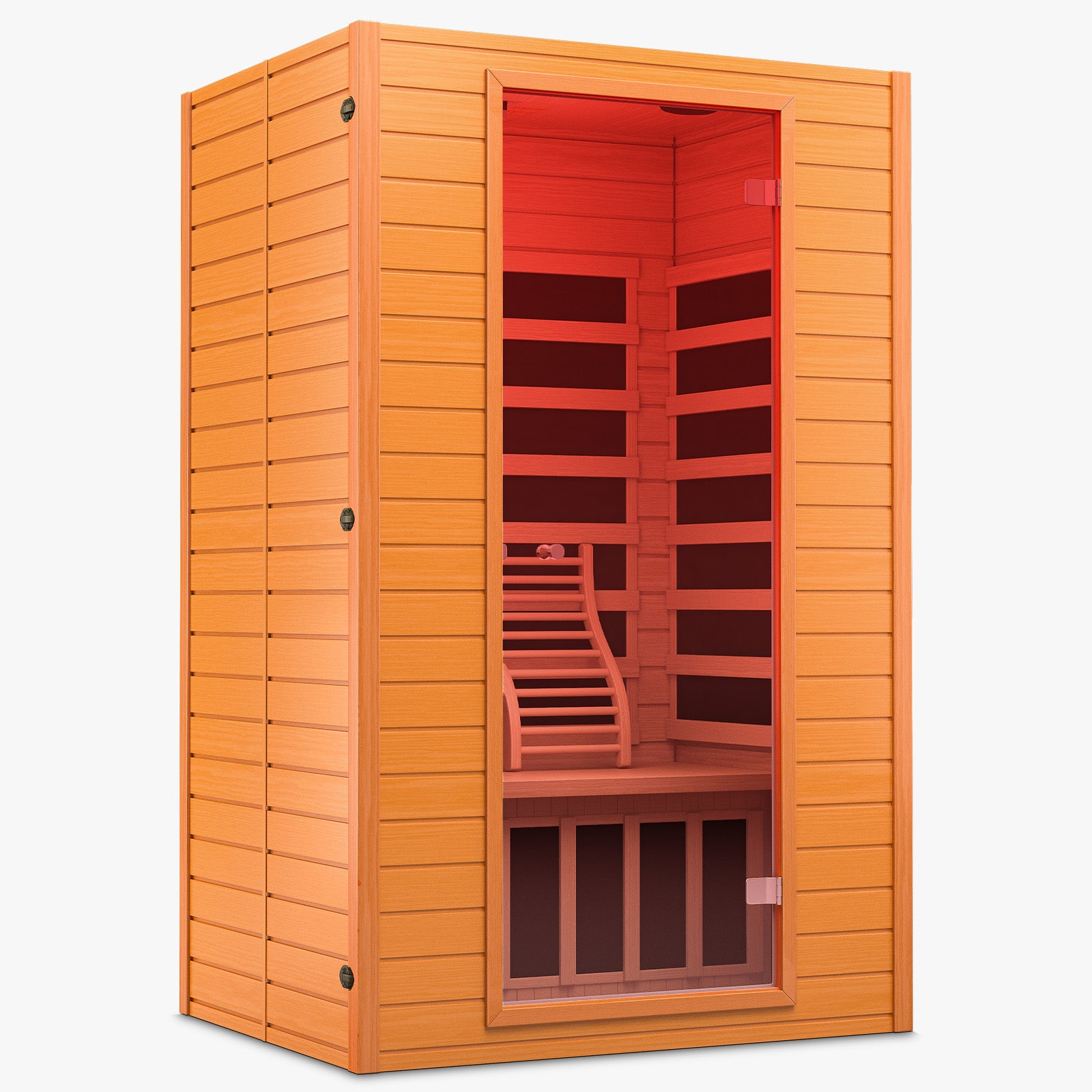
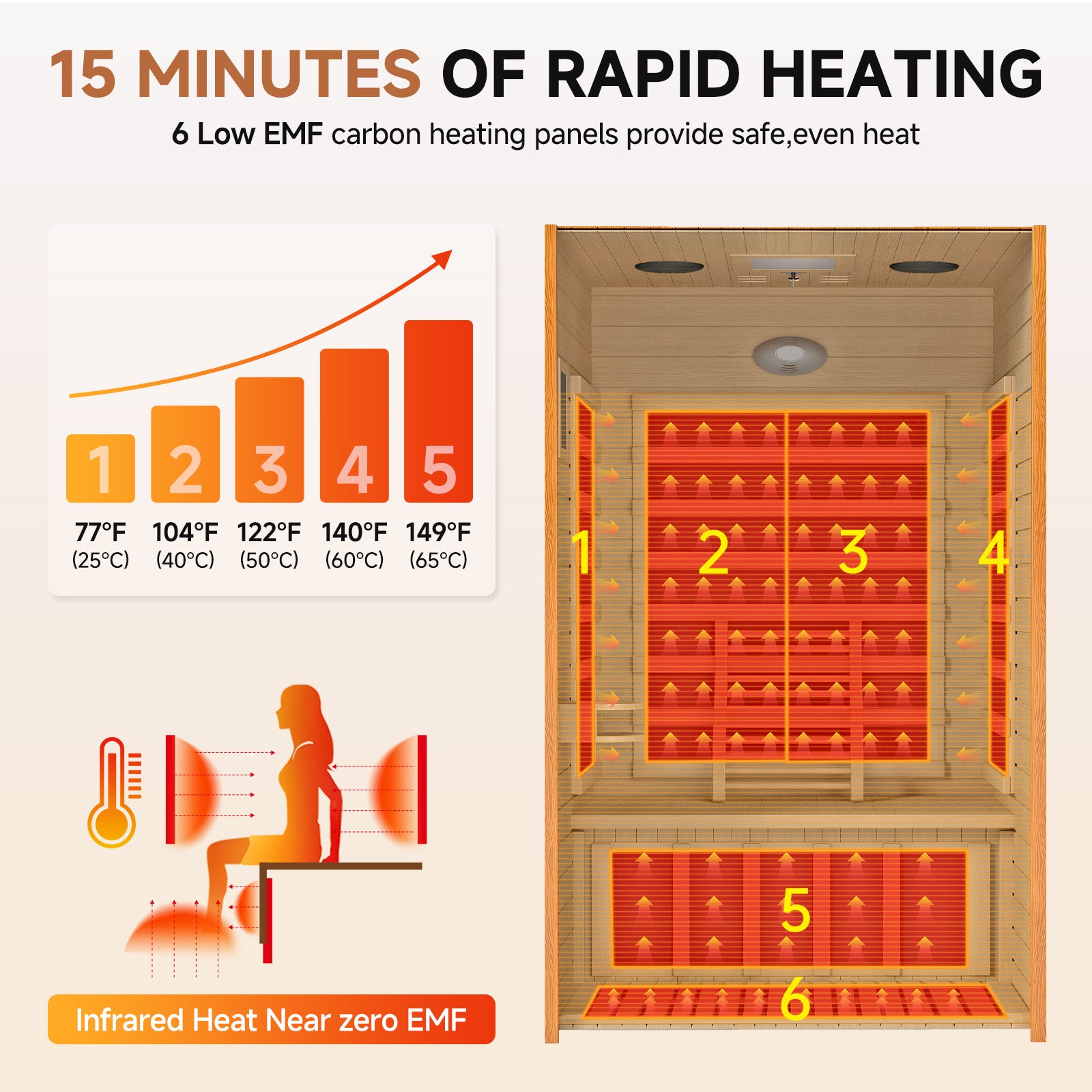
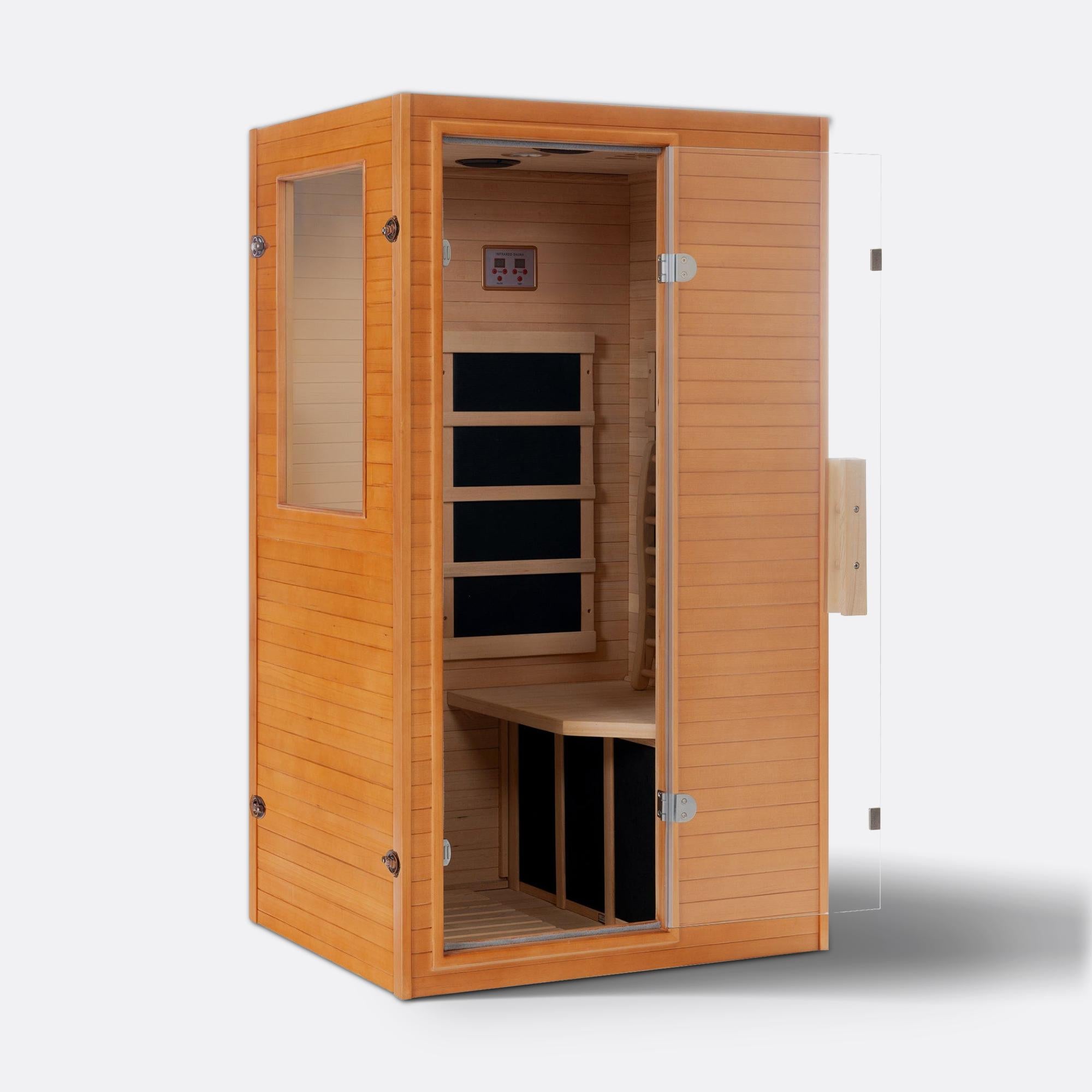
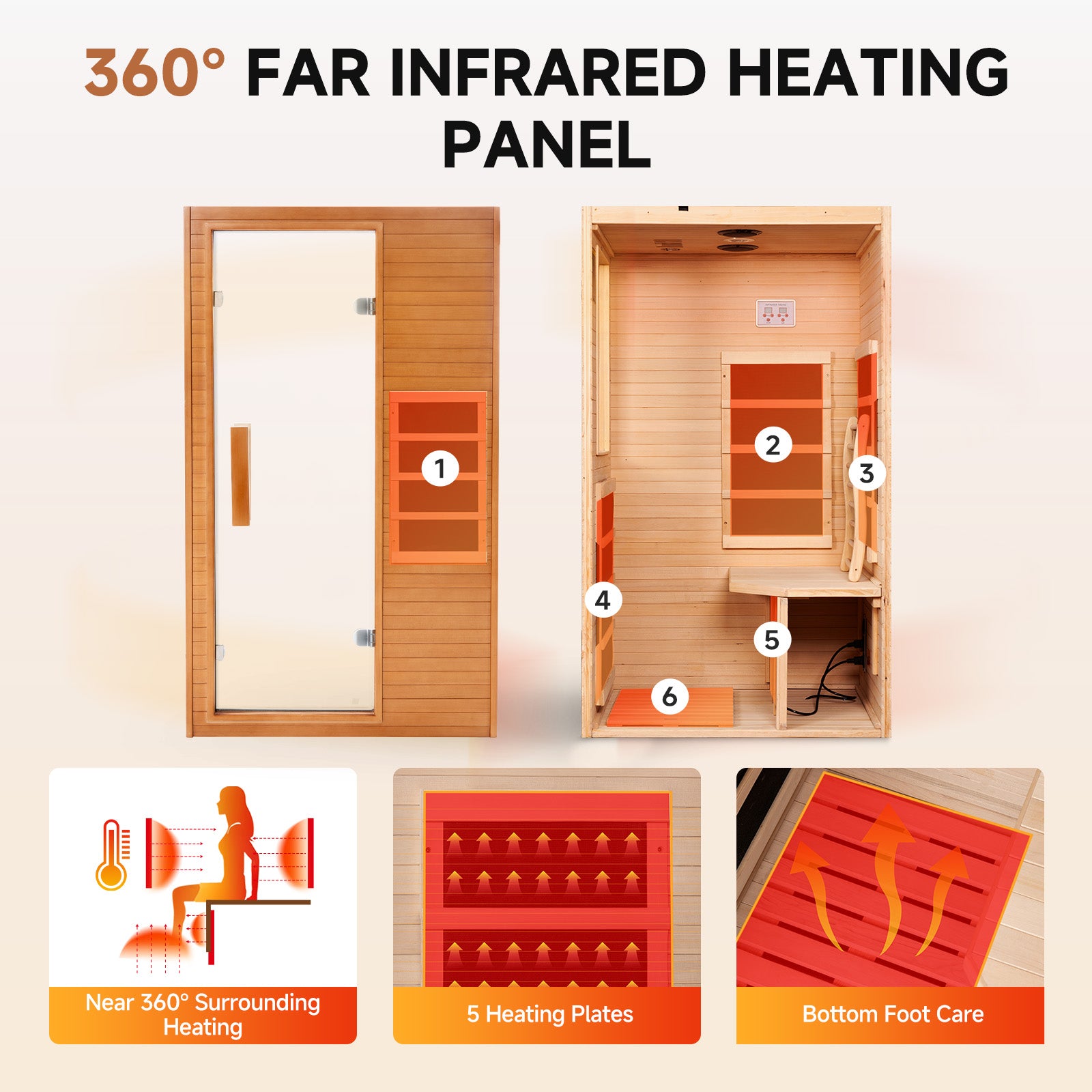
For example, Springspa's infrared sauna uses low-EMF mica heating panels and states that the sauna has certified EMF levels below 2 mG, while also incorporating Canadian Hemlock construction, chromotherapy lighting, Bluetooth speakers and rapid heating. Instead of relying solely on promotional wording, shoppers should ask whether the manufacturer can provide documentation showing how those measurements were obtained.
Independent verification carries much more weight than a simple label printed on a website.
How Can You Verify a Low-EMF Sauna?
Fortunately, verifying a manufacturer's claim isn't difficult if you know what to ask.
The first thing to request is a third-party laboratory report. A legitimate report should identify the testing organization, the sauna model that was tested, the measurement standard used, and the measured EMF values under specific operating conditions.
It's also helpful if the report references IEC 62233 or another recognized testing procedure. This indicates that the measurements followed an established methodology rather than an internal company process that can't easily be compared with other products. If a manufacturer only says "near-zero EMF" without providing any additional information, don't hesitate to ask for supporting documentation. Reputable companies are usually willing to explain their testing process.
Don't Judge a Sauna by EMF Alone
Although low EMF is a useful feature, it shouldn't become the only factor in your buying decision. A high-quality infrared sauna should also provide efficient heating, durable construction, reliable electrical components, comfortable seating and clear safety instructions.

Canadian Hemlock remains one of the most popular materials because it offers excellent dimensional stability, natural insulation and resistance to warping over years of repeated heating and cooling.
Heating technology matters just as much. Carbon or mica heating panels should distribute heat evenly throughout the cabin so users experience consistent warmth instead of noticeable hot spots.
Control systems also make a difference. Features like digital temperature adjustment, programmable timers, Bluetooth audio and chromotherapy lighting improve the overall experience without affecting the sauna's primary heating performance.
Springspa combines these practical features with low-EMF heating technology, making it suitable for homeowners looking for a comfortable wellness space while paying attention to electrical design. At the same time, buyers comparing models from established brands like Health Mate, Sunlighten, Finnleo, or Clearlight will notice that overall engineering quality, warranty coverage, customer support, and published technical documentation remain just as important as the EMF specification itself.
What Else Should Buyers Look For?
Before purchasing any infrared sauna, it's worth spending a few extra minutes reviewing the technical information instead of focusing only on attractive product photos.
Check whether the electrical requirements match your home's outlet configuration. Many compact home saunas operate on standard 120V household power, while larger units may require dedicated 240V circuits.
Look for tempered safety glass, quality wood construction, digital controls, and heating panels that warm the cabin efficiently without excessively long preheating times. Springspa's 1–2 person model, for example, operates on a standard 120V, 15A circuit with approximately 15 to 25 minutes of preheating under normal conditions, making installation relatively straightforward for many households.
It's also worth reading the owner's manual before purchasing. A detailed manual often reflects the manufacturer's commitment to product safety and customer support. Information covering maintenance, troubleshooting, electrical safety, operating temperatures, and proper usage usually indicates a more mature product design.
Making a Confident Purchase
Choosing an infrared sauna shouldn't come down to whichever product advertises the lowest EMF number. Instead, look at the complete picture. Independent testing, recognized measurement standards, solid construction, reliable heating performance and transparent technical information all contribute to a better ownership experience.
Whether you're considering a long-established brand like Health Mate, Sunlighten, Finnleo, or Clearlight, or evaluating a newer option such as Springspa, asking for evidence instead of relying solely on marketing claims is one of the smartest steps you can take.
A well-built infrared sauna should help you relax, unwind, and enjoy your wellness routine with confidence. Low-EMF certification isn't the only feature that matters, but when it's supported by credible third-party testing and combined with thoughtful engineering, it's certainly a feature worth paying attention to.




Share:
Best Infrared Sauna for Home Use in 2026
Are There Any Known Side Effects of Frequent Red Light Therapy Use?