

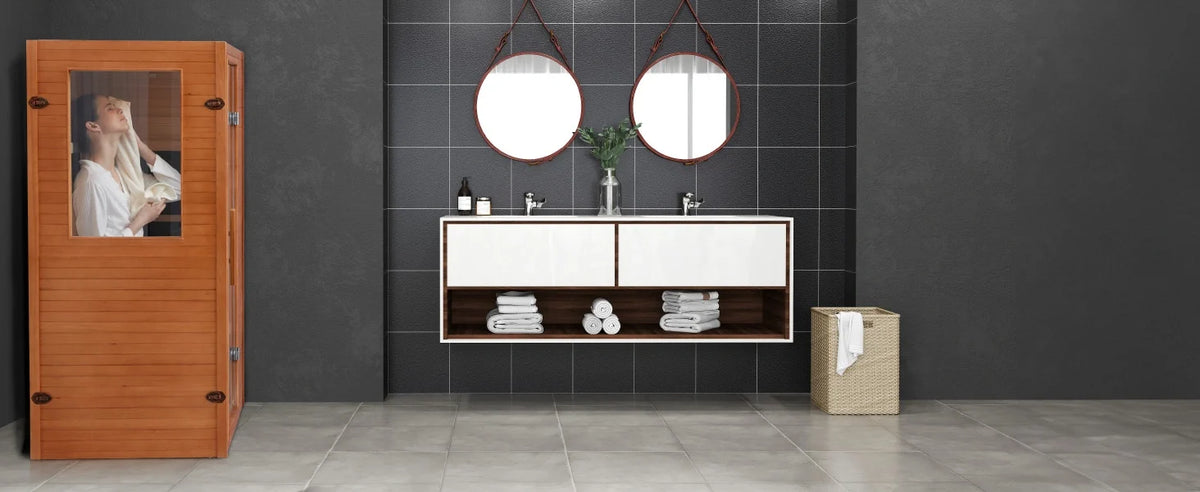
If you have ever stepped out of an infrared sauna dripping with sweat, you have probably wondered: Did I actually burn a decent number of calories in there?
It is an easy assumption to make. Your heart rate goes up, your body gets hot, and you sweat heavily. It can feel surprisingly similar to the physical response you get from exercise. But there is an important difference between your body working harder to deal with heat and your body burning a lot of calories through physical activity. So, does a full spectrum infrared sauna actually burn more calories?
Yes, heat exposure can increase energy expenditure to some degree. But the increase is much smaller and less predictable than many sauna marketing claims suggest. And the weight you see disappear immediately after a session is mostly water, not body fat.
Why Does a Sauna Make Your Body Burn More Energy?
Your body constantly tries to keep its internal temperature within a narrow range. When you sit inside a hot sauna, that becomes harder to do. Your blood vessels widen, blood flow to the skin increases, your heart beats faster, and your body starts producing sweat to help cool itself. All of this requires energy. Research published in Physiological Reports found that resting metabolic rate increased during significant heat exposure. In one controlled experiment, metabolic rate increased by about 35% at 40°C compared with baseline, with a further increase under greater heat stress. The researchers also observed increases in heart rate, breathing and sweating.
That sounds impressive, but there is a catch. A higher metabolic rate during heat exposure does not mean you are suddenly burning hundreds of calories worth of body fat.
The study involved controlled laboratory heat exposure, not a typical home infrared sauna session, and the researchers themselves noted that the exact contribution of different physiological responses to the increased energy expenditure was still unclear.
So it is fair to say that heat can make your body work harder. It is not fair to treat that as equivalent to a workout.
Sweating More Does Not Mean Burning More Fat
This is probably the biggest misconception surrounding sauna use. You may step on the scale before and after a sauna and see the number drop. That can look encouraging, especially after a long, hot session.
But most of that short-term change comes from fluid loss through sweating. Cleveland Clinic specifically notes that sauna use is not currently supported as a reliable weight-loss method. The temporary reduction in body weight after sweating is primarily water loss, and that weight returns after you rehydrate.
That distinction matters. Fat loss happens when you consistently use more energy than you consume over time. Sitting in a sauna may increase energy expenditure somewhat, but it does not replace the calorie demand created by walking, running, cycling, strength training or other physical activity.
In other words, a soaked towel is not proof of a successful fat-burning session.
What Does “Full Spectrum” Add to the Picture?
Full spectrum infrared saunas are often marketed as using different infrared wavelengths, commonly including near-, mid- and far-infrared. The idea is that different wavelengths interact with the body in different ways. However, when the question is specifically “Will this make me burn significantly more calories?”, the evidence is much less exciting.
The heating effect is what matters most for energy expenditure. Simply adding more infrared wavelengths does not automatically turn a sauna into a calorie-burning machine.
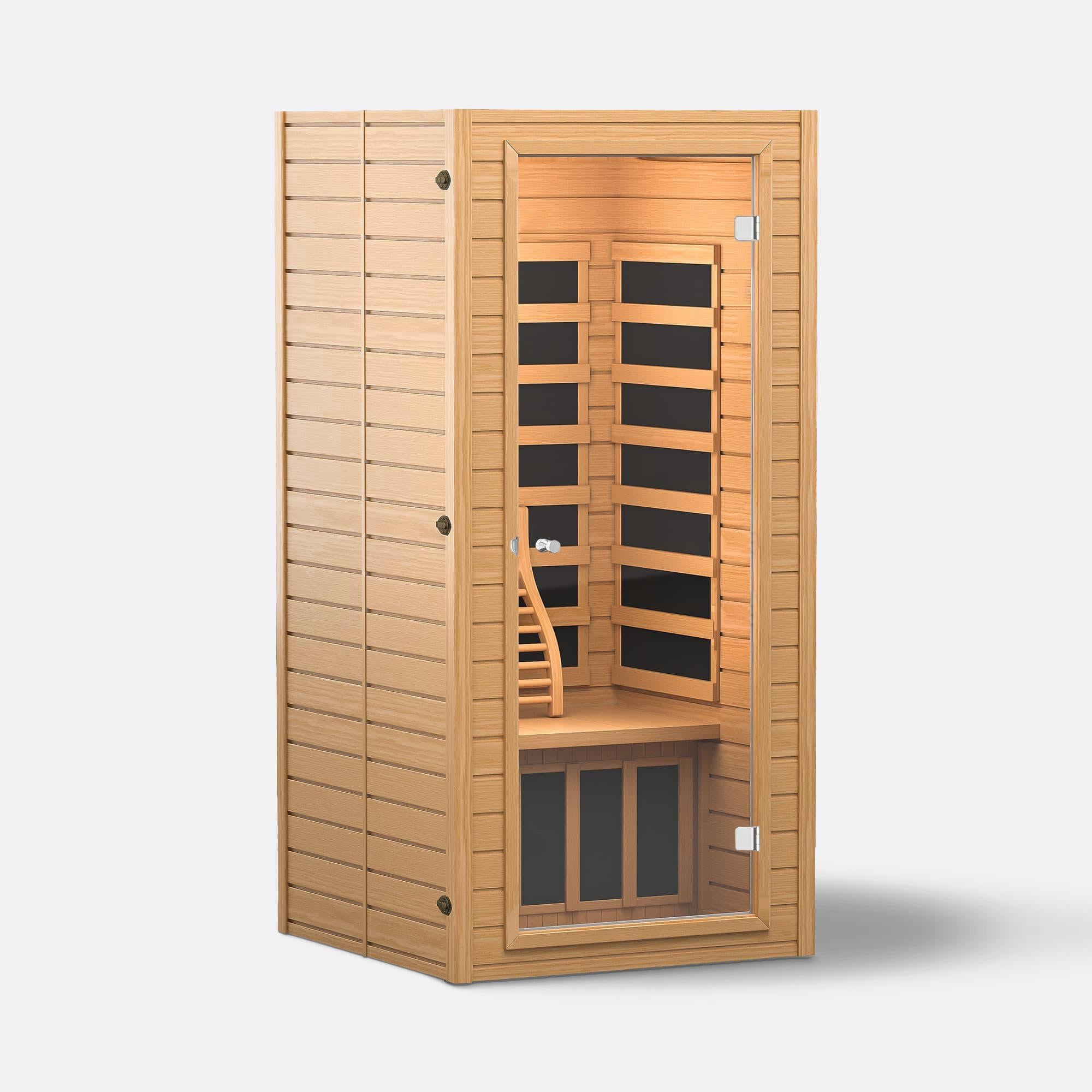
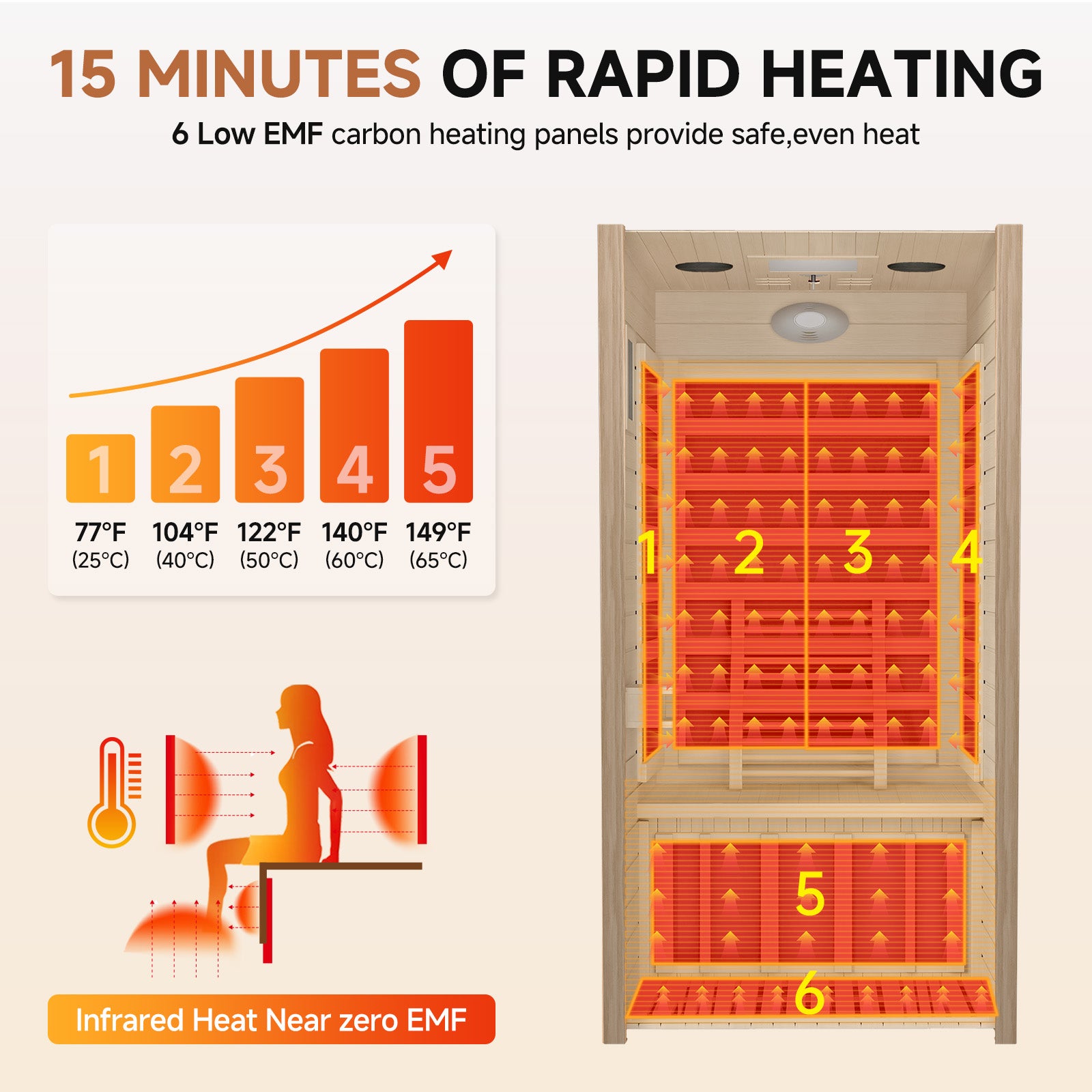
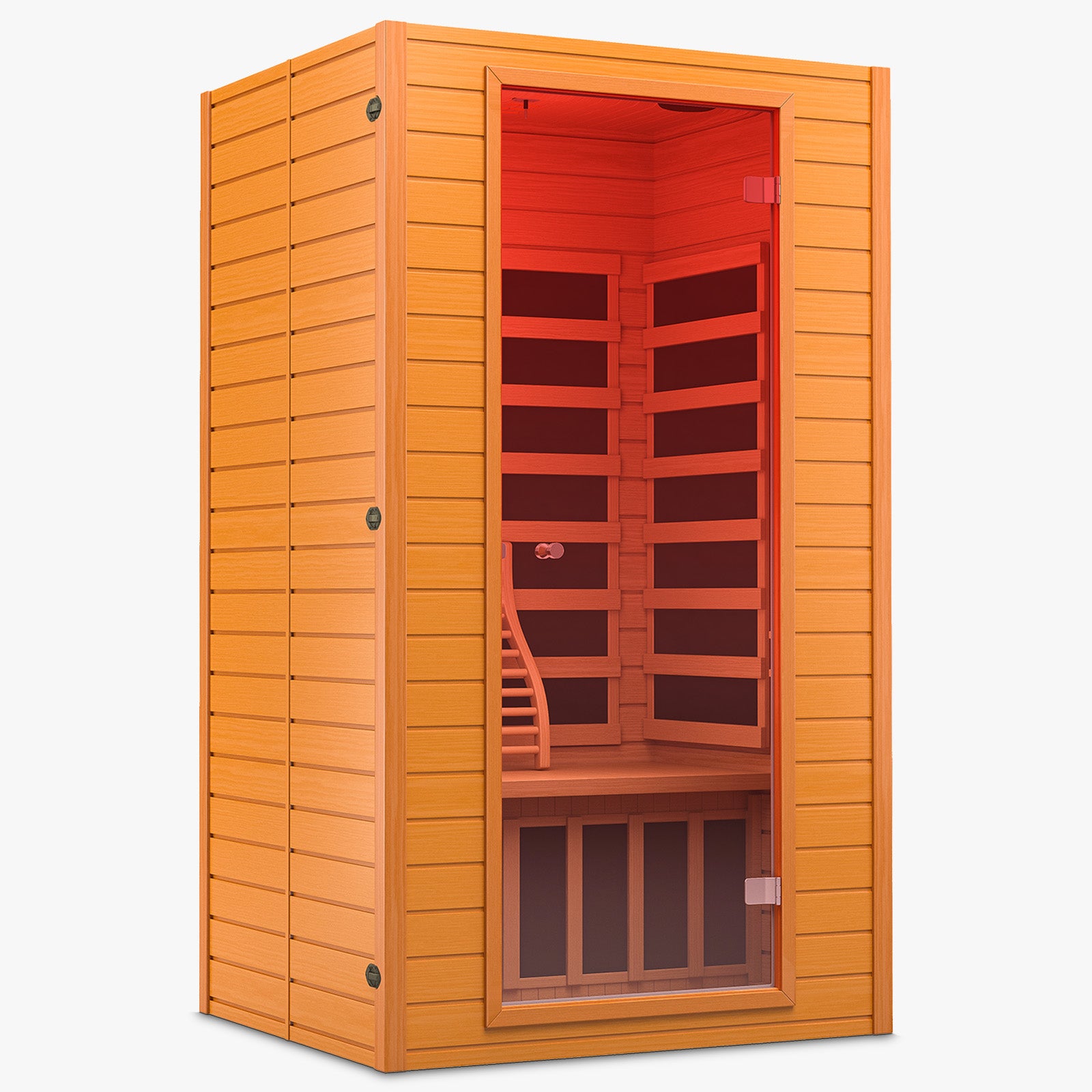
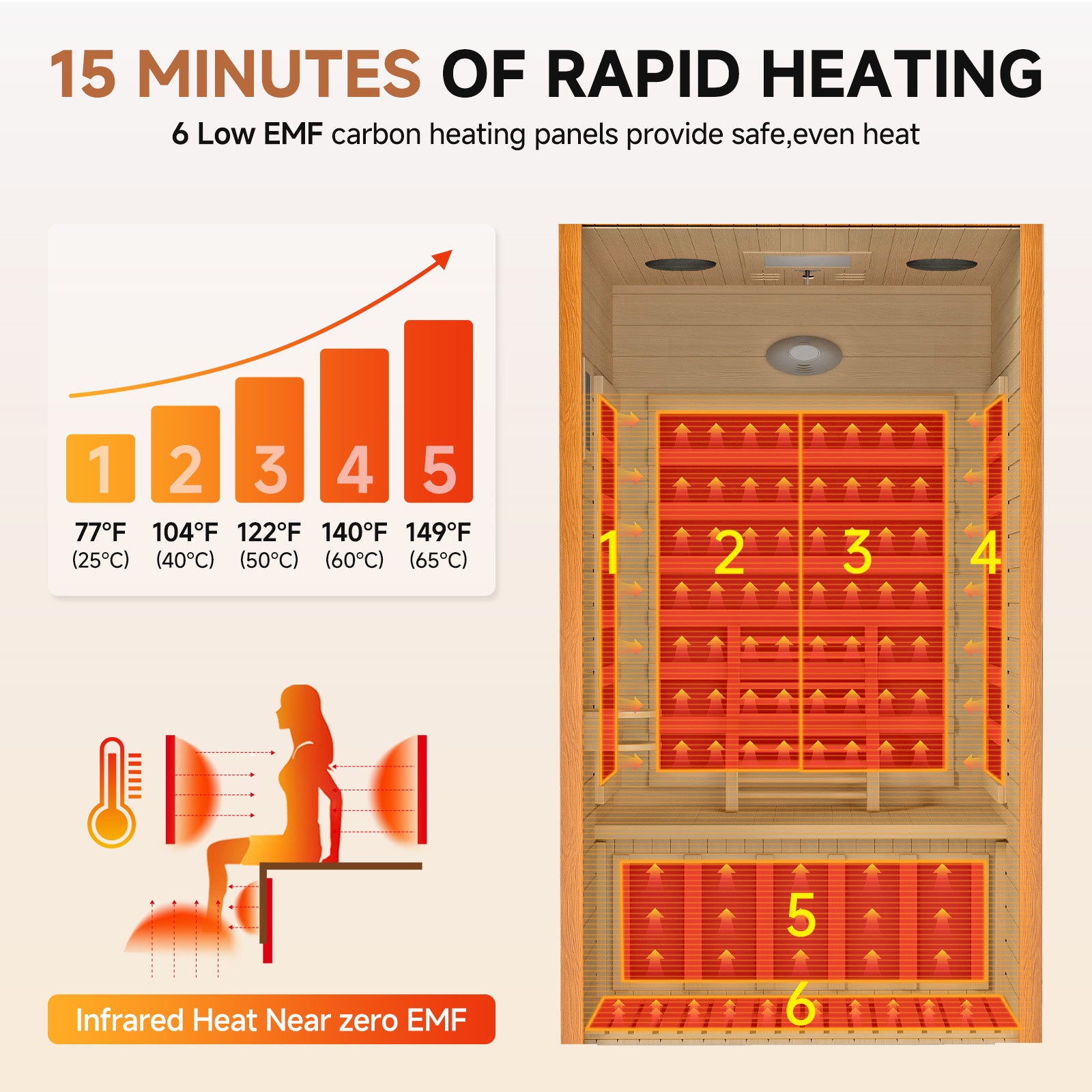
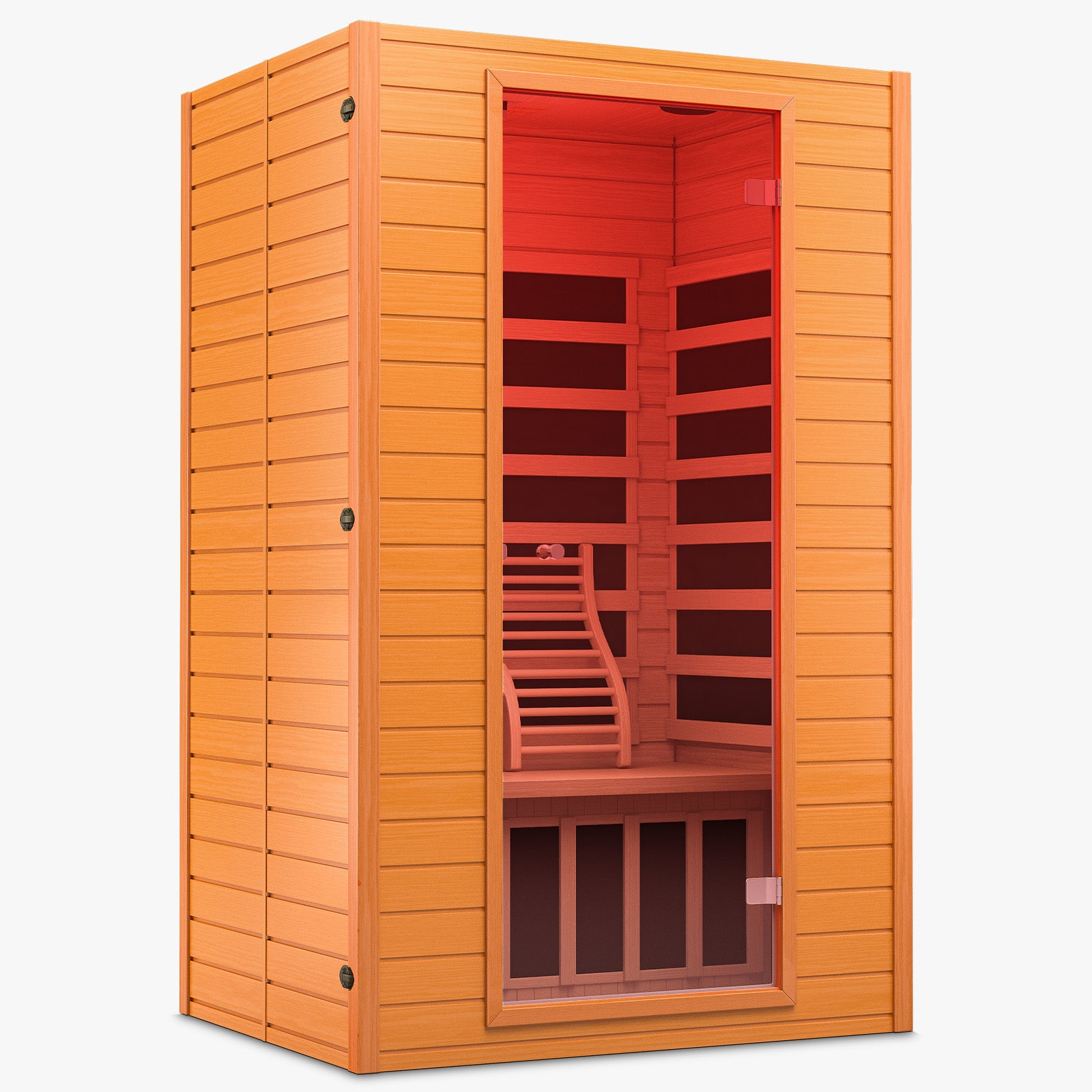
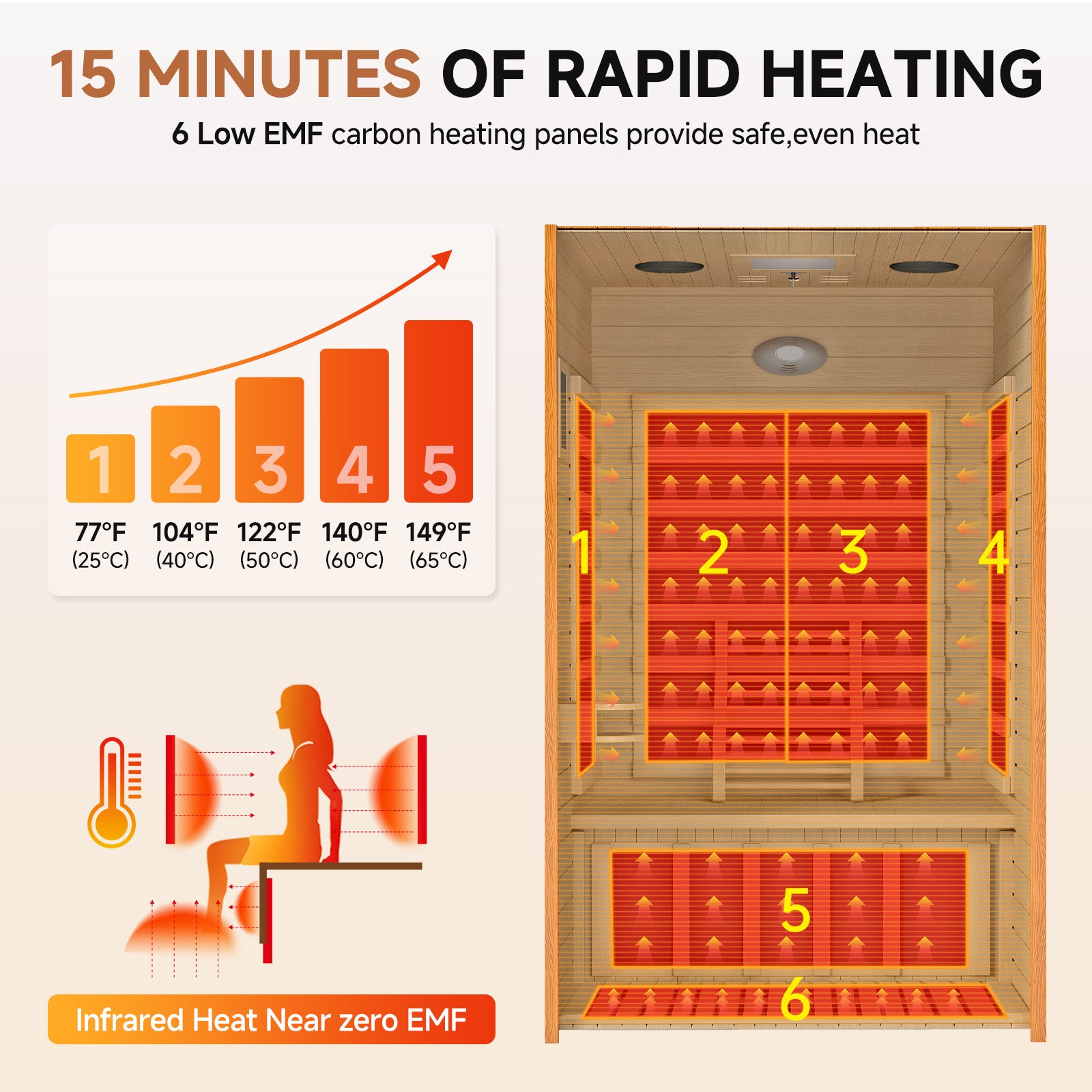
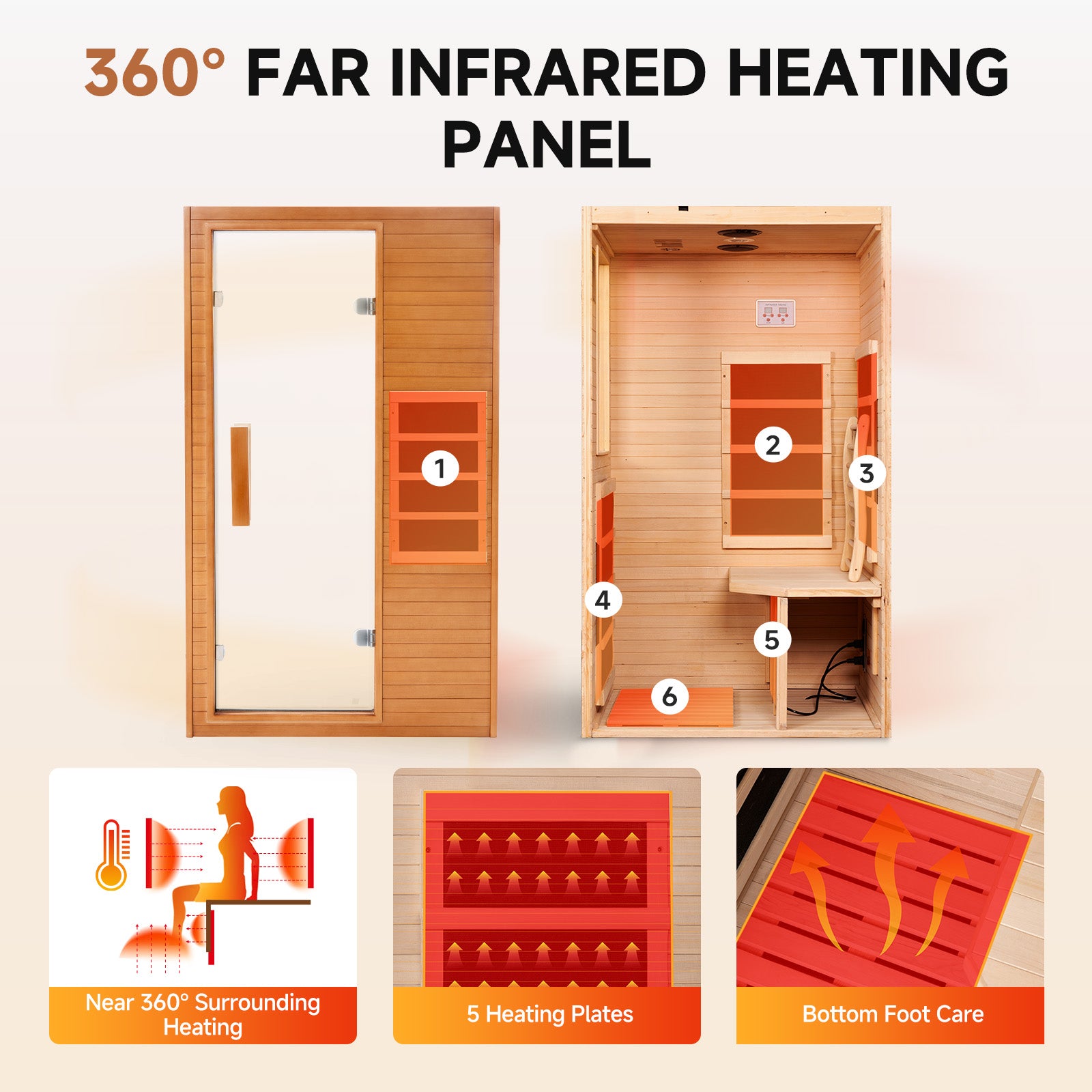
The product described here, for example, combines infrared sauna heating with a separate red and near-infrared light panel. The panel uses 660 nm red light and 850 nm near-infrared light, while the sauna itself uses mica heating panels. Its temperature range reaches approximately 149°F, depending on the operating mode and conditions.
That combination can make the experience more interesting from a wellness perspective, but it should not be marketed as a shortcut to significant fat loss.

Research comparing passive heating methods also shows that different heating approaches can produce different cardiovascular and temperature responses. A 2025 study in Physiological Reports compared hot-water immersion, traditional sauna and far-infrared sauna and found meaningful differences in thermoregulatory and cardiovascular responses.
The takeaway is pretty simple: different heat technologies can affect the body differently, but that does not mean one automatically burns dramatically more calories.
How Many Calories Could You Burn?
This is where you should be careful with online claims.
You will sometimes see claims that a sauna session burns several hundred calories. Those numbers are difficult to apply to a real person because calorie expenditure depends on body size, temperature, session length, metabolic rate and individual response. There is no reliable universal number for “calories burned in a 30-minute infrared sauna.”
Your body may use more energy than it would while sitting in a comfortable room, but the difference varies considerably from person to person. For that reason, Springspa infrared sauna users should think of the calorie effect as a secondary benefit of passive heat exposure rather than the main reason to use the sauna.
If your goal is weight management, it makes much more sense to combine sauna sessions with regular exercise and a sustainable eating pattern than to increase sauna time simply to chase a bigger calorie number.

Can Infrared Sauna Use Still Be Useful?
Absolutely. The value of an infrared sauna does not have to come from calorie burning alone.
Heat exposure can raise heart rate and increase circulation while creating a relaxing environment. Some research has also investigated passive heating for metabolic and cardiovascular effects, although the long-term evidence is still developing and should not be overstated.
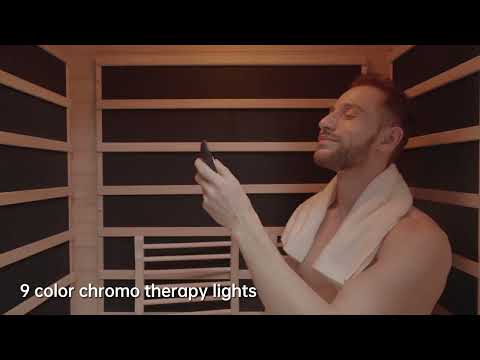
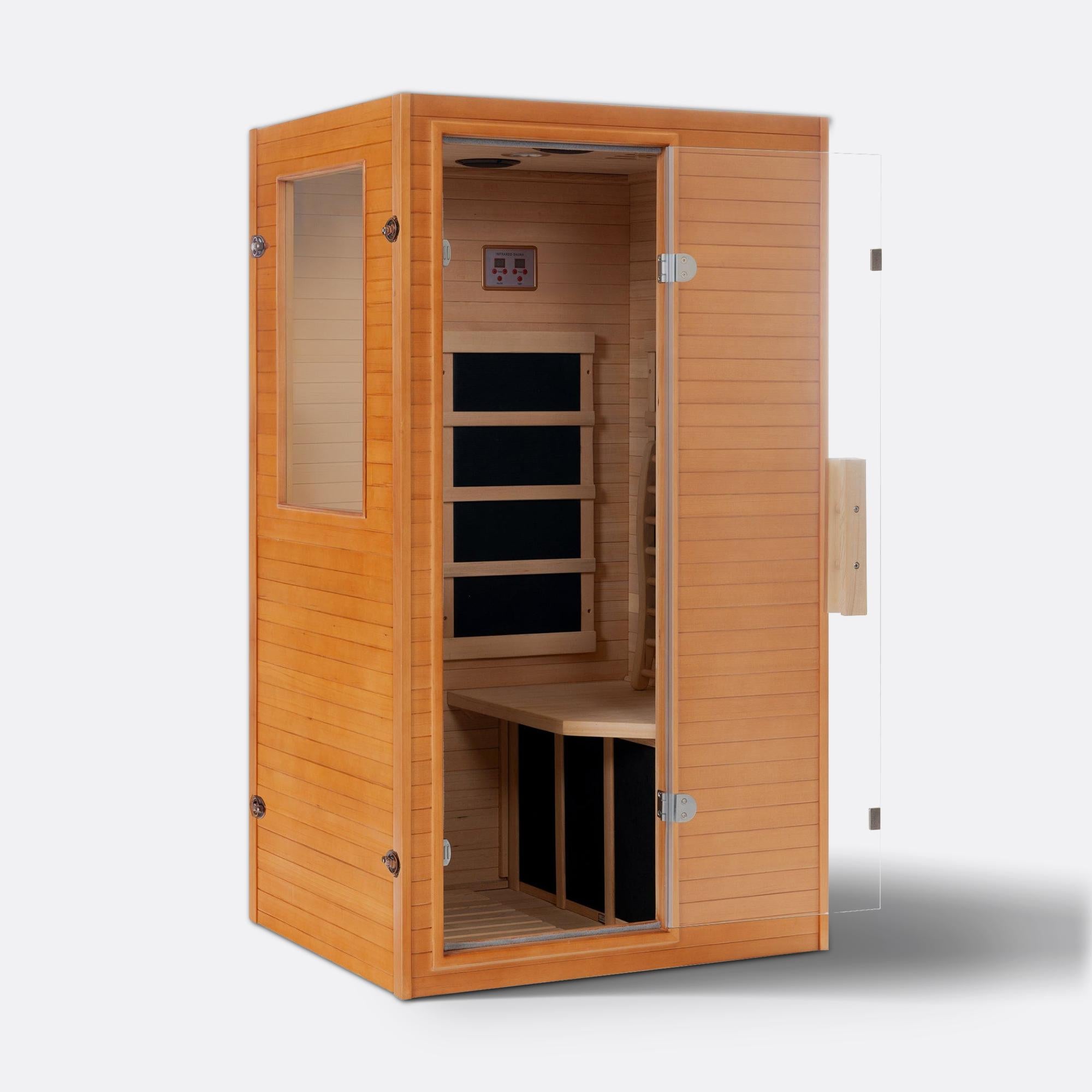
A home unit with features such as adjustable temperature, a 99-minute timer, Bluetooth audio, seven-color lighting and a 660/850 nm red and near-infrared panel can also make regular sauna sessions easier to fit into a wellness routine.
That is probably a more realistic way to look at the product. Use the sauna because you enjoy the heat, relaxation and overall experience. Any additional calorie expenditure is a bonus, not the main event.
What Should You Do During a Sauna Session?
You do not need to push the temperature as high as possible or stay inside for as long as possible to “burn more.”
More heat is not automatically better. This particular sauna can reach temperatures around 149°F, and the manual recommends paying attention to discomfort, avoiding alcohol and not sleeping inside while the unit is operating. Those precautions are important because heat exposure can place additional stress on the cardiovascular system and increase fluid loss. The American Heart Association also notes that heat can make the heart work harder while sweating can contribute to dehydration.
Drink enough fluids, leave the sauna if you feel dizzy, weak or unwell, and follow the manufacturer's safety instructions. If you have cardiovascular problems, take medications that affect blood pressure or fluid balance, or have another condition that could make heat exposure risky, talk with a healthcare professional before using a sauna.
So Does a Full Spectrum Infrared Sauna Burn More Calories?
It can increase calorie expenditure compared with simply sitting in a cooler room, because your body has to work harder to regulate its temperature. But the effect should not be confused with exercise or significant fat burning.
The biggest visible change after a hot sauna session is usually water loss, not fat loss. And while heat exposure can produce measurable physiological changes, there is not enough evidence to claim that a full spectrum infrared sauna burns a specific, large number of calories per session. For a product such as the Springspa infrared sauna, the better approach is to see calorie expenditure as one small part of the overall sauna experience.
Enjoy the heat. Relax. Rehydrate. Keep exercising. And if the scale is temporarily lower when you step out? Have a glass of water before celebrating.





Share:
Is Full Spectrum Infrared Sauna Really Better Than Far Infrared Sauna?