

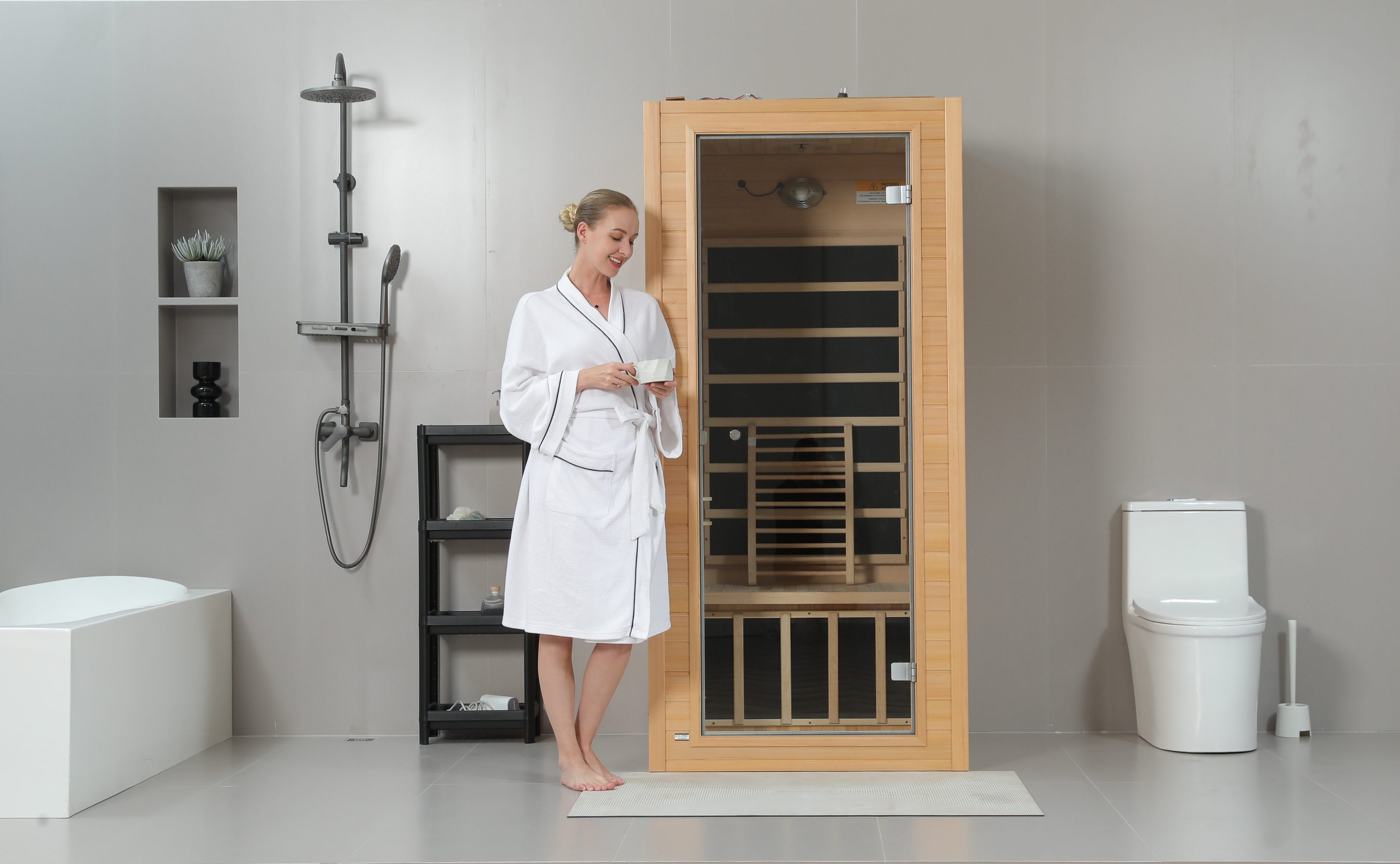
Thinking about getting a sauna but not sure whether to go with a steam sauna or an infrared sauna? You’re not alone. Both sound great, both promise relaxation and wellness — but they feel very different, work differently and fit different lifestyles.
So instead of saying one is “better,” the real question is: which one fits you better?
How They Actually Feel
Steam Saunas: Hot, steamy and classic
A steam sauna is what most people imagine when they hear “sauna.” The air is hot and humid, usually around 110–120°F with very high moisture. You sit there, sweat heavily, and feel that deep, moist heat all over your body.
It’s great if you love that spa-like, steamy environment. The humidity opens up your pores, makes your skin feel soft, and helps clear your sinuses. If you enjoy the feeling of being wrapped in warm steam, this one is very satisfying.

Infrared Saunas: Dry heat that goes deeper
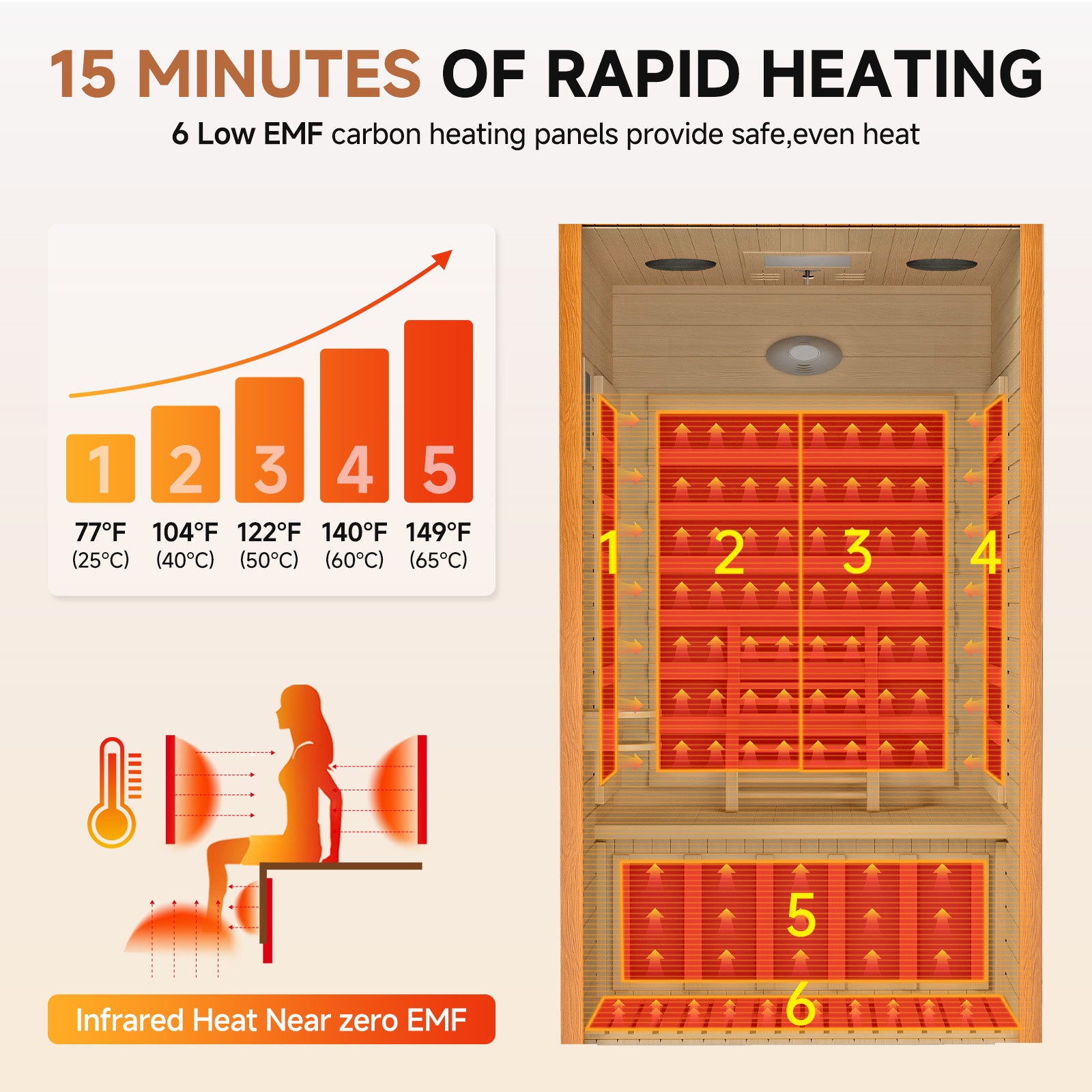
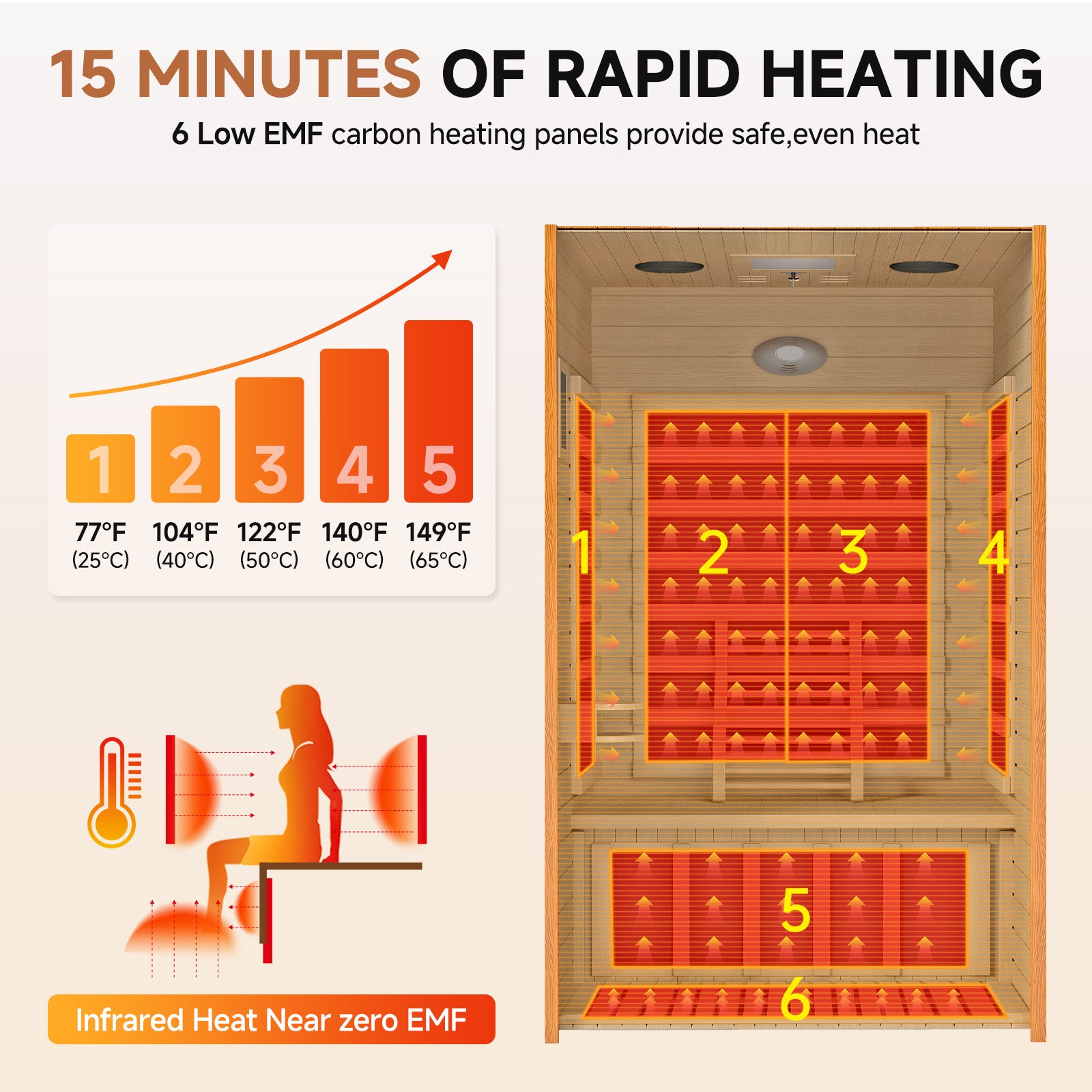
Infrared saunas work differently. Instead of heating the air, they use infrared panels to warm your body directly. The air feels much lighter and less stuffy, even though your body still warms up and sweats.
The heat penetrates into muscles and joints, which many people find more comfortable and less overwhelming. You can breathe normally, read a book, listen to music, or just relax without feeling like you’re in a foggy cloud.

Comfort Level Matters
If you’ve ever felt dizzy or uncomfortable in a hot steam room, an infrared sauna might feel easier on your body. The temperatures are usually lower, but the warmth still reaches deep into your muscles.
Steam saunas, on the other hand, are great for people who love intense heat and heavy sweating. It’s more dramatic and more traditional — some people really enjoy that strong sauna experience.
Skin, Breathing, and Sensations
Steam is wonderful for skin hydration and respiratory comfort. The moist air can soothe dry skin and help if you have a stuffy nose or seasonal congestion.
Infrared saunas support skin in a different way. Many models include red light therapy, typically around 660nm red light and 850nm near-infrared light. These wavelengths are often used for skin rejuvenation, circulation support, and muscle recovery. It’s more of a “light-based” skin benefit rather than moisture-based.

SpringSpa infrared sauna with red-light therapy penetrate deep to support skin rejuvenation, muscle recovery, and overall cellular revitalization.
So if your skin feels dry often, steam can feel very comforting. If you’re more focused on skin tone, texture, or recovery, infrared with red light might feel more helpful.
Muscle Recovery and Joint Comfort
This is where infrared really shines for many users.
Because infrared heat warms tissues beneath the skin, people often feel relief in sore muscles, stiff joints or tension areas. After workouts, long days standing, or even just daily stress, that deep warmth can feel very soothing.
Steam heat is more surface-level. It relaxes you, but it doesn’t penetrate as deeply into muscle tissue. If your main goal is physical recovery, flexibility, or easing joint stiffness, infrared usually feels more targeted.
Installation and Home Use
Portable steam saunas are compact and easy to set up. They’re usually fabric or lightweight enclosures with a small steam generator. They’re affordable, simple, and easy to store.

SpringSpa Mars 1 Person Portable SteamSauna ($US109.99)
Infrared sauna cabins are larger and more solid. They’re made of wood, with glass doors, built-in heaters, lighting, and control panels. They feel more like furniture and part of your home.

SpringSpa Neptune 1 person full spectrum red-light therapy sauna, easy to setup (US$$1,999.99)
Some infrared models also include:
-
Bluetooth audio
-
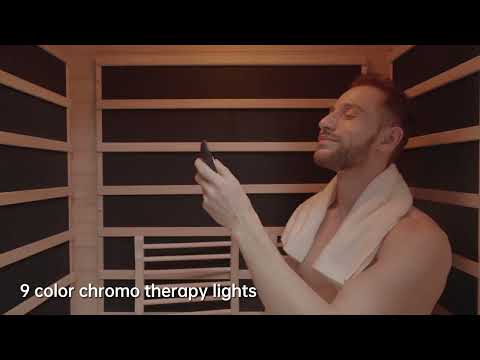
Multi-color chromotherapy lighting
-
Built-in red light therapy panels
-
Temperature and timer controls
So steam is great if you want something portable and simple. Infrared is better if you want a more permanent, spa-like setup at home.
Energy Use and Session Length
Infrared saunas typically use more electricity, but they also warm up fast and allow shorter sessions. Many people use them for 15–30 minutes at a time, a few times per week.
Steam saunas use water and heat continuously to maintain steam. Sessions are often shorter because the heat feels more intense.
Both are fine in moderation — it just depends on what feels good for your body.
Who Tends to Prefer Each One?
You might lean toward a steam sauna if you:
-
Love traditional sauna heat and humidity
-
Want skin hydration and sinus relief
-
Prefer a lower-cost, portable setup
-
Enjoy that strong “sweat it out” feeling
You might lean toward an infrared sauna if you:
-
Want muscle and joint comfort
-
Prefer dry heat that’s easier to breathe in
-
Care about skin tone, circulation and recovery
-
Like built-in tech like Bluetooth, lighting, and red light therapy
-
Want something that feels like a home spa feature
So Which Is Better?
Neither is “better” in general — they’re better for different people.
Steam saunas feel intense, humid and cleansing. Infrared saunas feel gentle, deep and relaxing.
Some people even enjoy both at different times in life. During stressful periods, infrared feels calming and restorative. During colder seasons or when skin feels dry, steam feels comforting and cozy.
The best choice is the one you’ll actually use regularly and enjoy.
If a sauna feels good, fits your home, and fits your body — that’s the right one.
And honestly? Sitting in warmth, unplugging for a while and giving your body a break is always a good idea, no matter which style you choose.
SpringSpa offers complete sauna solutions — including steam saunas, far infrared saunas, and full spectrum infrared saunas with red light therapy, plus more styles to suit your needs.













Share:
Who Should Use a Red Light Therapy Sauna?
Who Should Not Use a Full Spectrum Infrared Sauna with Red Light Therapy?