

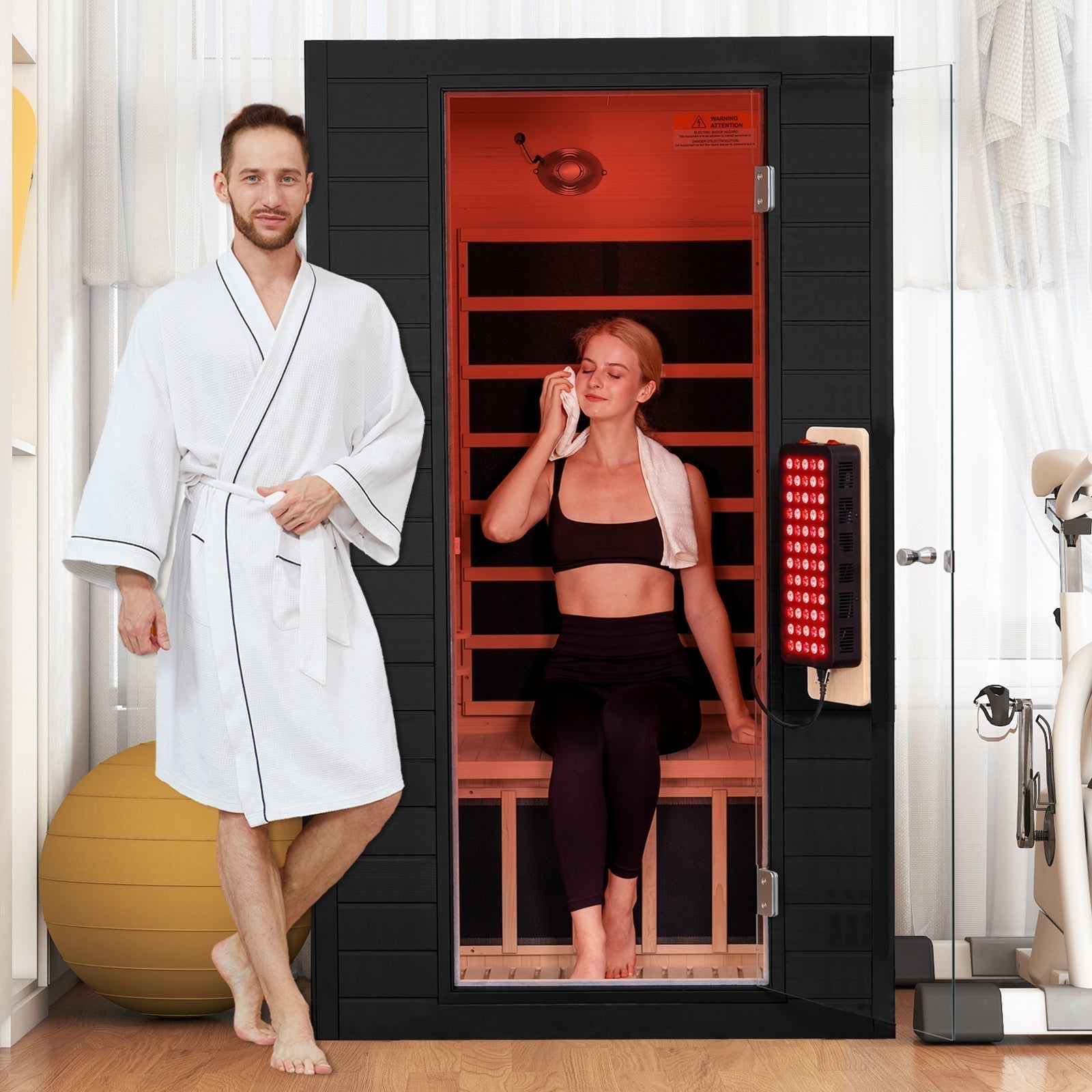
Red light therapy (RLT) has been buzzing around wellness circles for years. You might have seen it in skincare ads, gyms or even wellness spas. But the question remains: is it backed by science, or is it still mostly hype? Let’s find it out.
What is Red Light Therapy?
Red light therapy involves exposing your skin to low-level red wavelengths of light. Unlike UV rays, red light doesn’t damage the skin or cause sunburn. Instead, it’s said to penetrate the skin, potentially triggering cellular energy production, collagen formation and other healing processes.
Evidence for Skin Health
One of the most widely studied benefits of RLT is skin rejuvenation. Several clinical trials have found that red light can help reduce wrinkles, improve skin texture and promote collagen production. A 2009 review in the Journal of Cosmetic and Laser Therapy summarized multiple studies and concluded that RLT improved skin appearance with minimal side effects.
Another study in Photomedicine and Laser Surgery showed that regular sessions of red light therapy can significantly reduce fine lines and wrinkles over a few weeks. This gives some solid scientific backing to the cosmetic claims you see online.
Pain and Inflammation Relief
RLT is also being explored for muscle recovery, joint pain, and inflammation. Research suggests red light may penetrate tissue and stimulate mitochondria—the “energy factories” of cells—helping tissues repair faster.
A 2025 systematic review published in Lasers in Medical Science analyzed multiple trials and found that red light therapy can reduce pain and stiffness in conditions like osteoarthritis. Another study in the Journal of Athletic Training reported that athletes recovering from exercise-induced muscle soreness experienced less pain when treated with RLT.
Wound Healing and Circulation
Some research has looked at RLT’s role in wound healing and circulation. Low-level red light may increase blood flow, which can help tissues get nutrients faster and repair damage more efficiently. Clinical trials have found improvements in chronic wounds and minor injuries, suggesting that RLT can support the body’s natural healing processes.
Brain and Cognitive Effects
An emerging area of study is red light therapy for cognitive function and brain health. Early trials show that near-infrared light (a close cousin of red light) might improve blood flow to the brain, potentially aiding memory and attention. A pilot study in Frontiers in Neuroscience found improved cognitive performance in older adults after several weeks of near-infrared light exposure.
It’s exciting, but keep in mind that brain-related research is still in early stages. Most findings are preliminary and need larger trials to confirm results.
Safety and Side Effects
One reason RLT is popular is that it’s generally considered safe. Unlike UV light, red light doesn’t burn or cause DNA damage. Mild redness or eye strain can occur, but serious side effects are rare when used correctly. Still, it’s smart to follow manufacturer instructions and avoid overexposure.
So, Is It Proven or Experimental?
The answer isn’t black and white. For skin health and minor pain relief, the evidence is reasonably strong and comes from multiple clinical trials. For wound healing and circulation, there’s promising evidence, but results vary depending on light intensity, duration, and treatment protocol. Brain and cognitive effects remain experimental, with preliminary studies suggesting potential but not definitive proof.
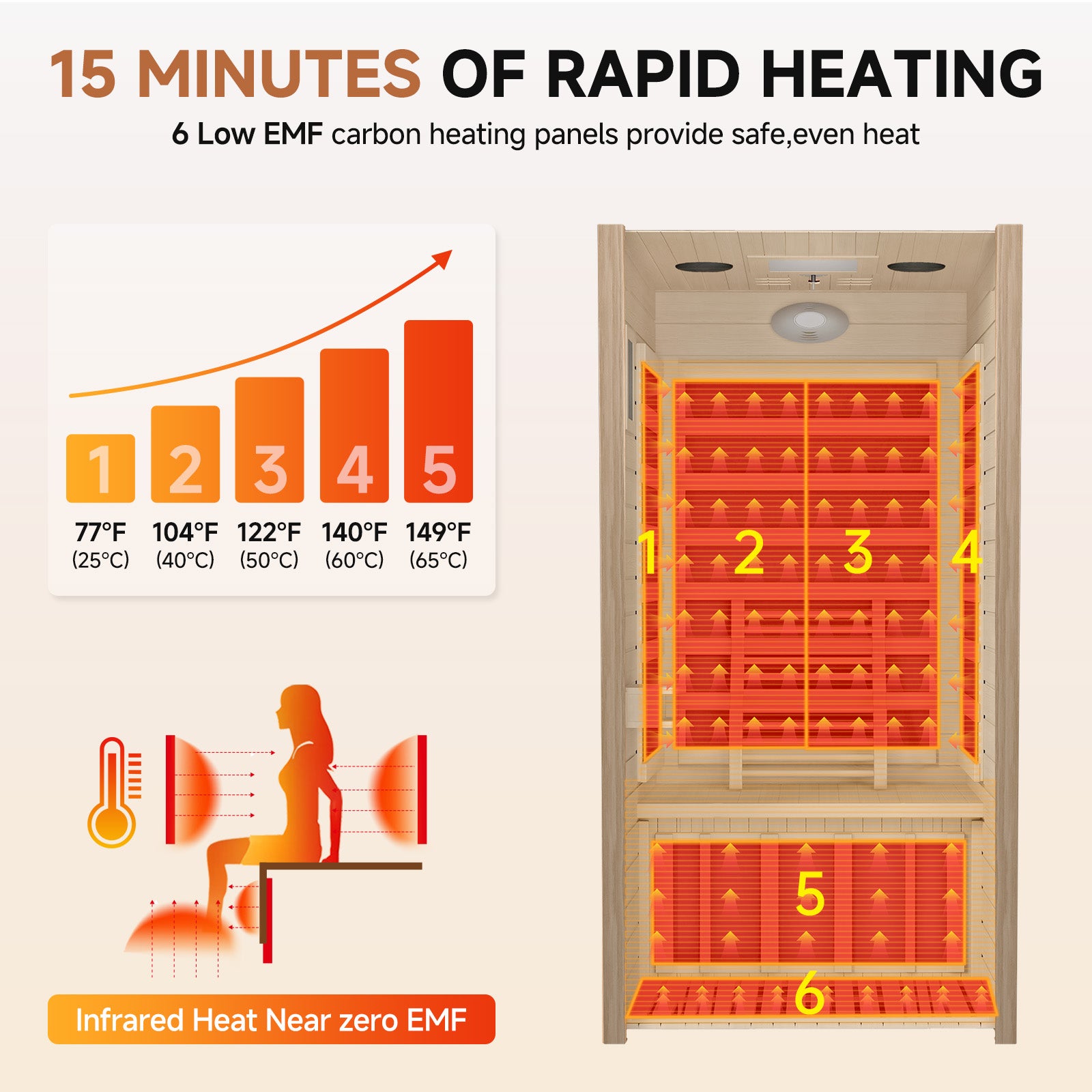
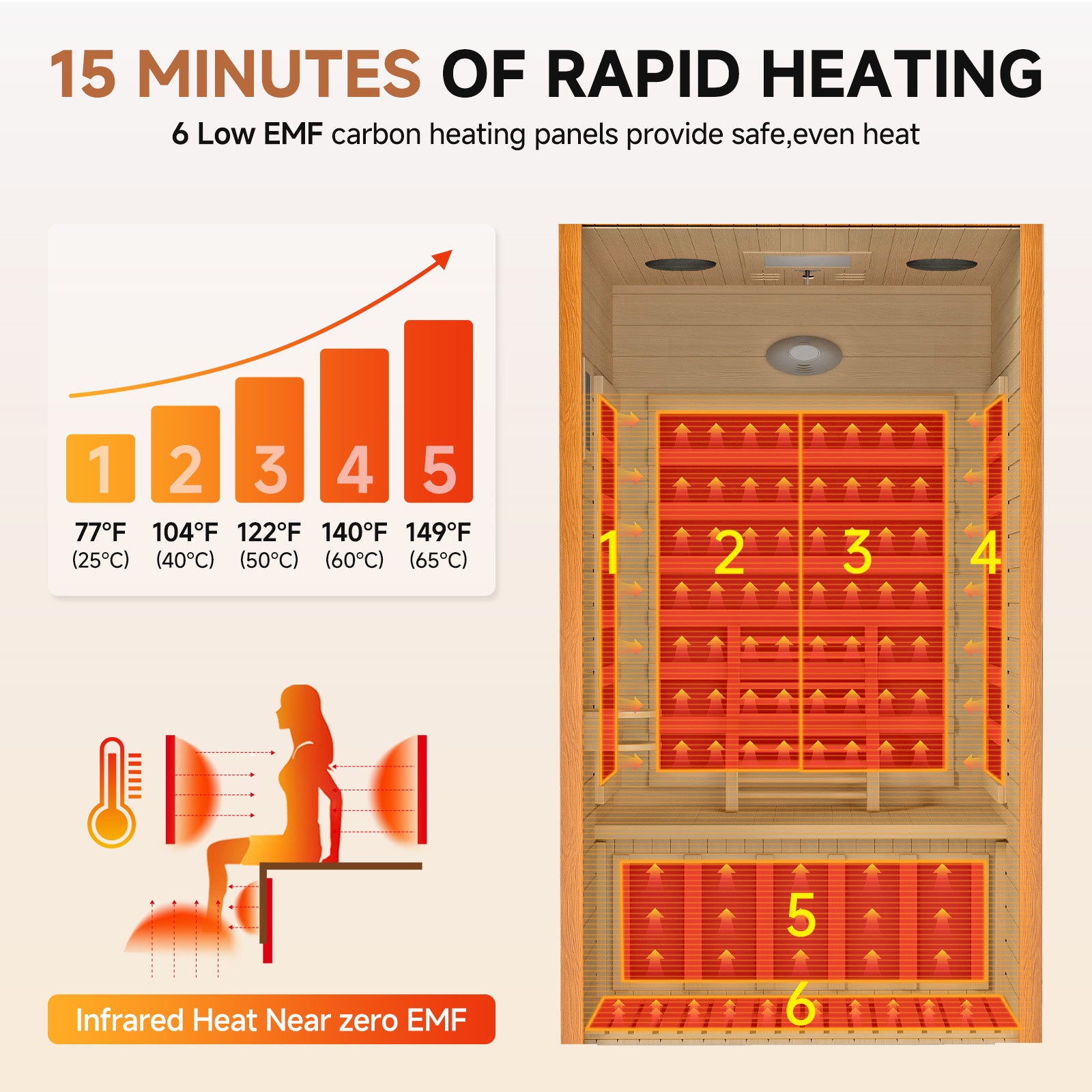
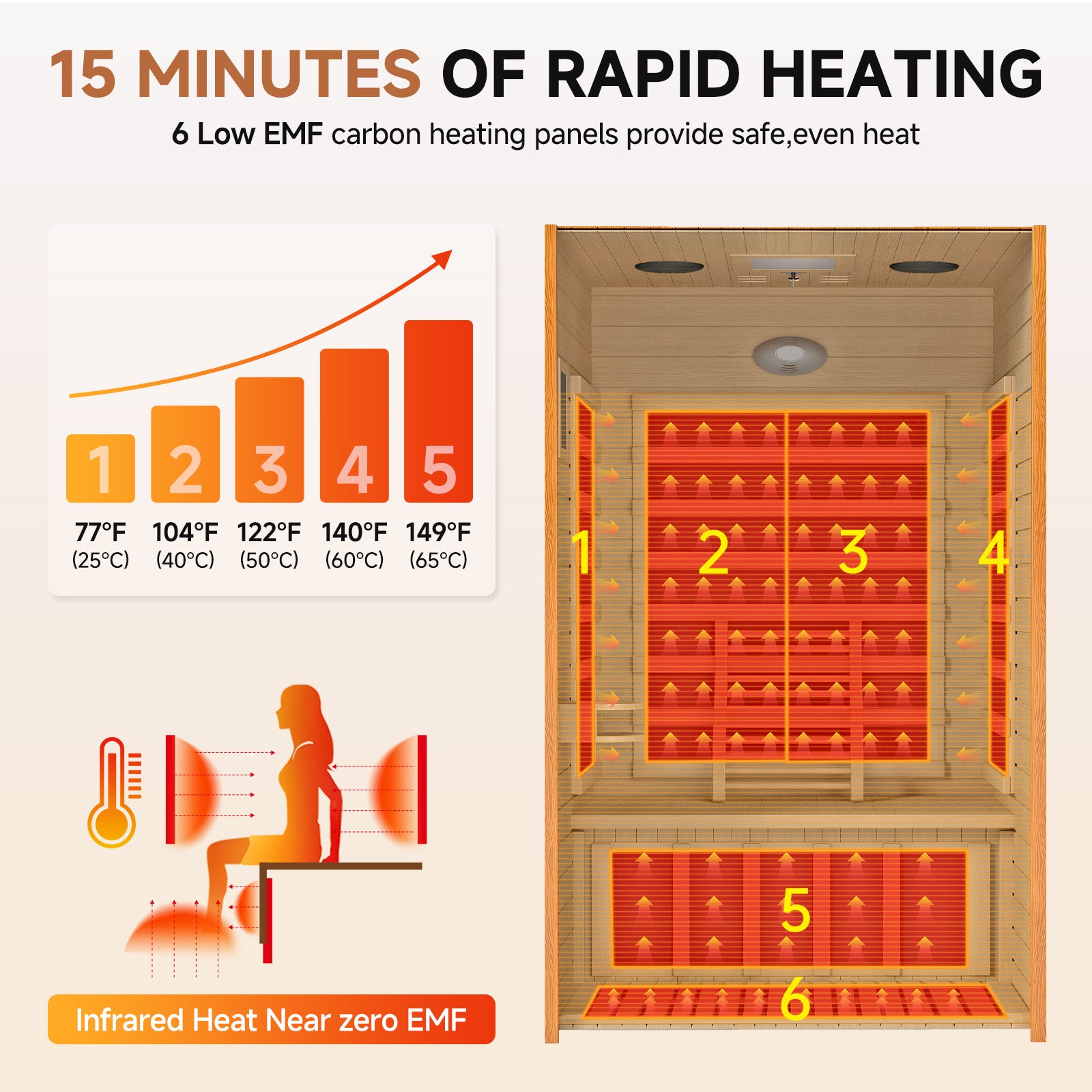
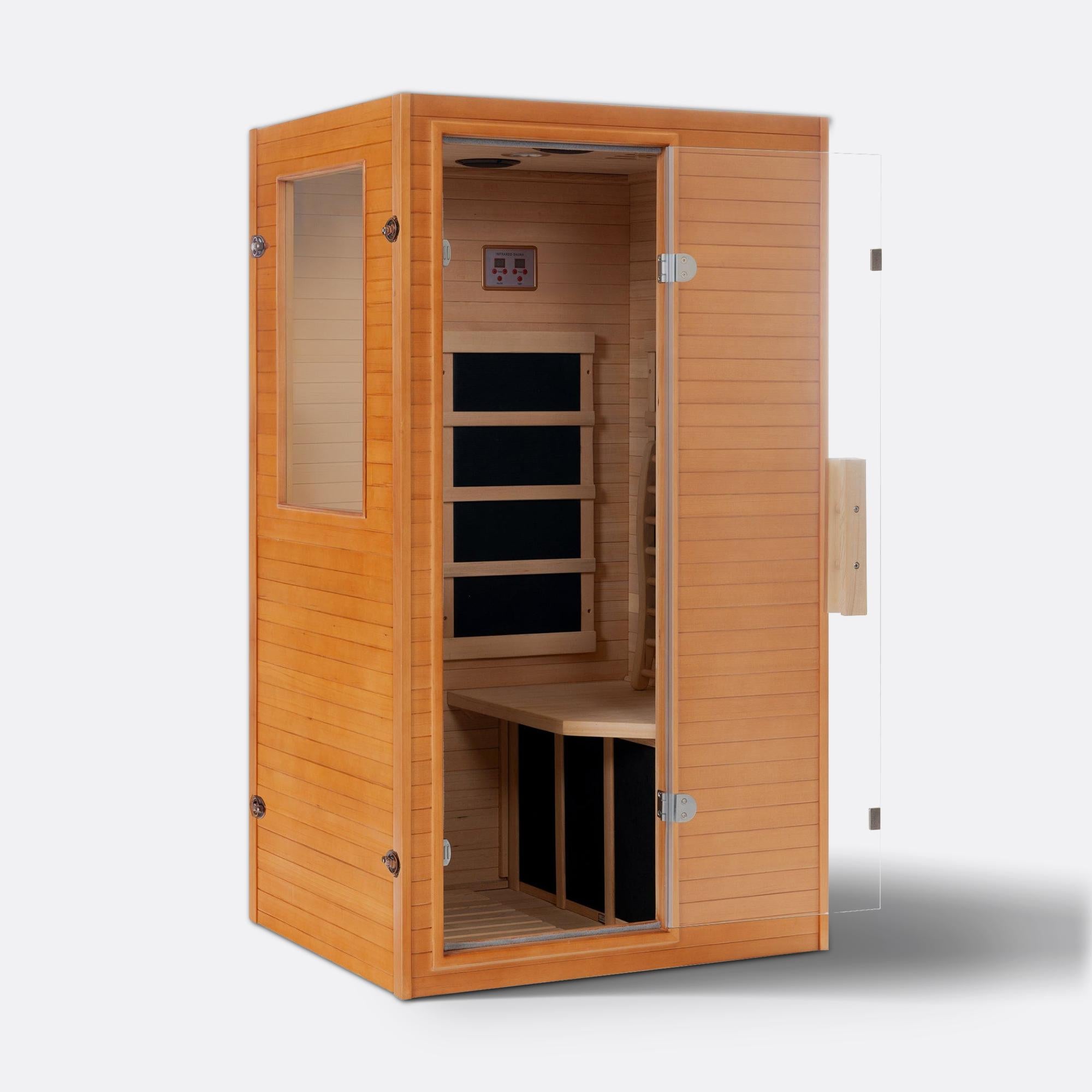
If you’ve ever tried a red light therapy sauna, you know it’s a whole-body experience. Unlike handheld devices, saunas combine heat with red and near-infrared light, allowing the therapy to penetrate deeper into muscles and tissues. PubMed research shows this can improve circulation, help with muscle recovery, and even support skin health. It’s a convenient way to get the benefits of red light therapy while relaxing and sweating out toxins.
If you’re thinking about using red light therapy at home:
• Stick with devices that provide clear wavelength and intensity specifications.
• Be consistent—studies show benefits often appear after several weeks of regular use.
• Combine RLT with other healthy habits—good sleep, balanced diet, and exercise amplify benefits.
• Remember that RLT is a wellness tool, not a replacement for medical care.
Red light therapy sits in a unique spot between proven science and ongoing exploration. It’s not magic, but for certain uses like skin rejuvenation, minor pain relief and wound support, research supports real benefits. Brain effects are intriguing but still in the experimental stage. Overall, RLT can be a safe, non-invasive way to support your wellness routine with the understanding that results may vary.











Share:
Can Pregnant Women Use Full-Spectrum Infrared Saunas with Red Light Therapy?
Are There Any Risks of Overheating or Hyperthermia in an Infrared Sauna?