

If you’ve been digging into infrared saunas or red light therapy, you’ve probably seen both hype and hesitation. Some people swear by the benefits, while others quietly wonder what happens if you keep using it for months or even years. The truth sits somewhere in between - and it’s a lot more practical than dramatic.
What Kind of Light Are We Talking About?
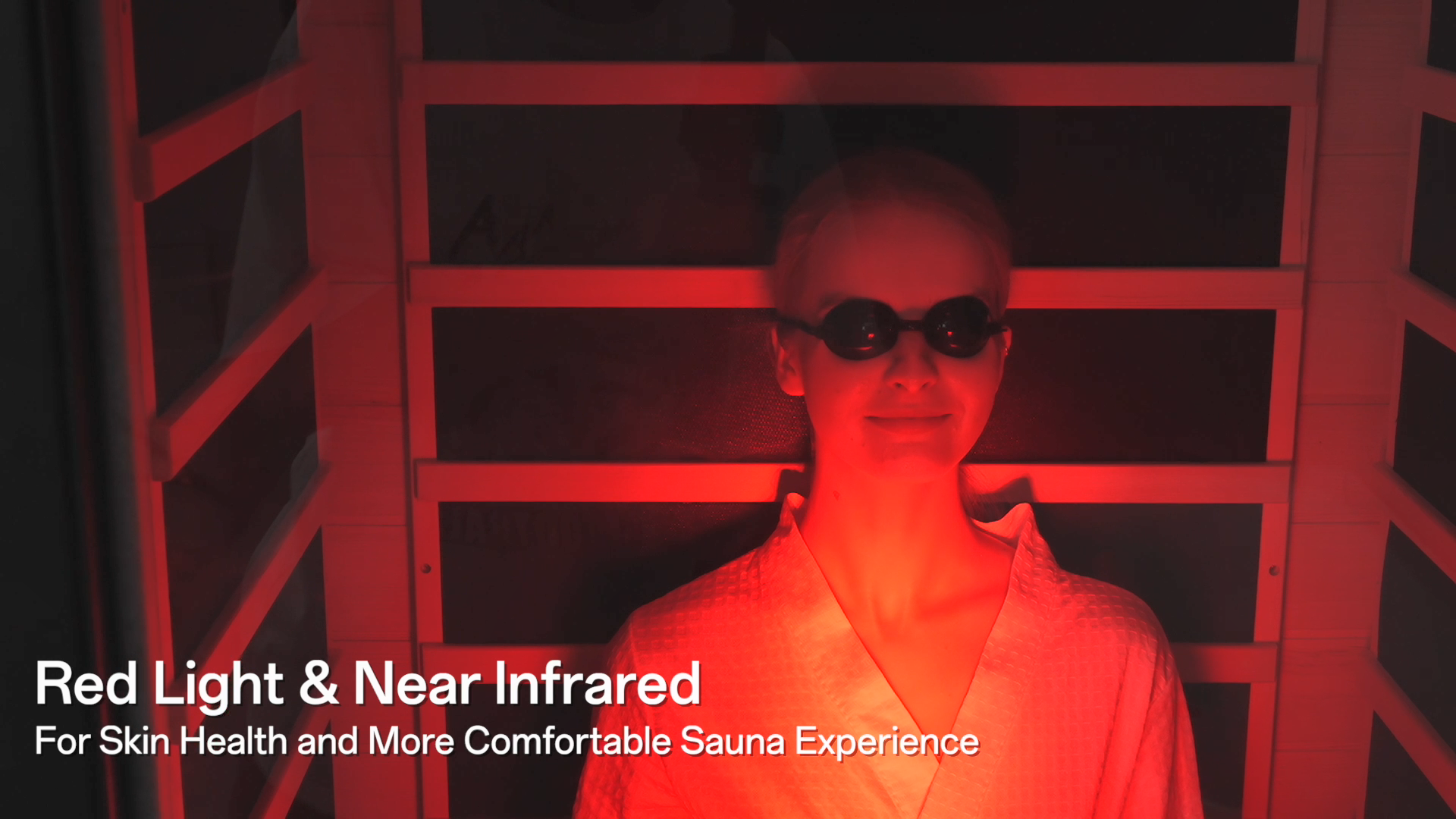
Red light and infrared light fall into the category of non-ionizing radiation, which means they don’t damage DNA the way ultraviolet (UV) light does. That alone already puts them in a much safer zone compared to sunlight or tanning beds. In products like home infrared sauna rooms—including setups from brands like SpringSpa that combine 660 nm red light with 850 nm near-infrared light—the goal is to deliver gentle energy into the skin and deeper tissues without causing cellular damage.

SpringSpa Neptune series red light therapy panel combines 660 nm red light with 850 nm near-infrared light
What makes them appealing is how they interact with the body. Instead of burning or altering cells, these wavelengths are believed to support cellular activity, circulation, and relaxation. That’s why they’re used in both wellness products and some clinical settings.
What Science Actually Says About Long-Term Exposure
Research so far paints a fairly reassuring picture, but it doesn’t give a blank check for unlimited use. Regulatory bodies like the FDA consider light-based therapy devices generally low-risk when used as intended.
At the same time, scientific reviews—like one published in Photomedicine and Laser Surgery—have found that red and near-infrared light can support tissue repair and reduce inflammation under controlled conditions.
What’s important here is the phrase “controlled conditions.” Most studies use specific exposure times, distances, and intensities. Long-term safety looks good within those boundaries, but there isn’t much research supporting constant or excessive exposure over years without limits.
The Real Risks (They’re Not What You Think)
When people hear “light exposure,” they often think of radiation damage or something extreme. That’s not really the issue with infrared or red light. The risks are much more down-to-earth and tied to how the body responds to heat and repeated stimulation.
Heat is actually the biggest factor, especially in infrared saunas. These devices warm the body from the inside out, which feels great—but too much heat over time can push the body into stress. The World Health Organization notes that prolonged heat exposure can strain the cardiovascular system and lead to dehydration or overheating in certain situations. (Source: https://www.who.int/news-room/fact-sheets/detail/climate-change-heat-and-health)
Another subtle but real issue is skin response. Your manual mentions persistent redness and a condition called erythema ab igne, which sounds technical but basically refers to long-term heat exposure causing a net-like discoloration on the skin. Dermatology resources confirm that repeated moderate heat exposure can lead to this if you ignore early warning signs. (Source: https://dermnetnz.org/topics/erythema-ab-igne)

Then there’s eye safety, which tends to get overlooked. Infrared light isn’t always something you feel immediately, so it’s easy to underestimate. According to the International Commission on Non-Ionizing Radiation Protection, long-term or high-intensity infrared exposure may contribute to eye damage if proper precautions aren’t taken. (Source: https://www.icnirp.org/en/publications/article/infrared-radiation.html)
None of these risks are dramatic when you use the equipment properly, but they become relevant if sessions are too long, too frequent, or too intense—regardless of whether you’re using a generic unit or a branded system like SpringSpa.
What About Red Light Therapy Panels Specifically?
In setups that include a dedicated red light panel, the intensity can actually be quite high at close range. With irradiance levels reaching over 100 mW/cm² depending on distance, it’s strong enough to be effective—but also strong enough that more isn’t always better.
Most clinical guidance, including insights from Harvard Health, suggests that light therapy works best in moderate, controlled sessions rather than continuous exposure (source: https://www.health.harvard.edu/staying-healthy/red-light-therapy-for-skin-care)
That means sitting very close to the panel for extended periods every day isn’t how these devices are typically meant to be used. Whether it’s an integrated panel inside a SpringSpa sauna or a standalone unit, a bit of distance and reasonable timing go a long way in keeping things both effective and safe.
Where Benefits and Risks Meet
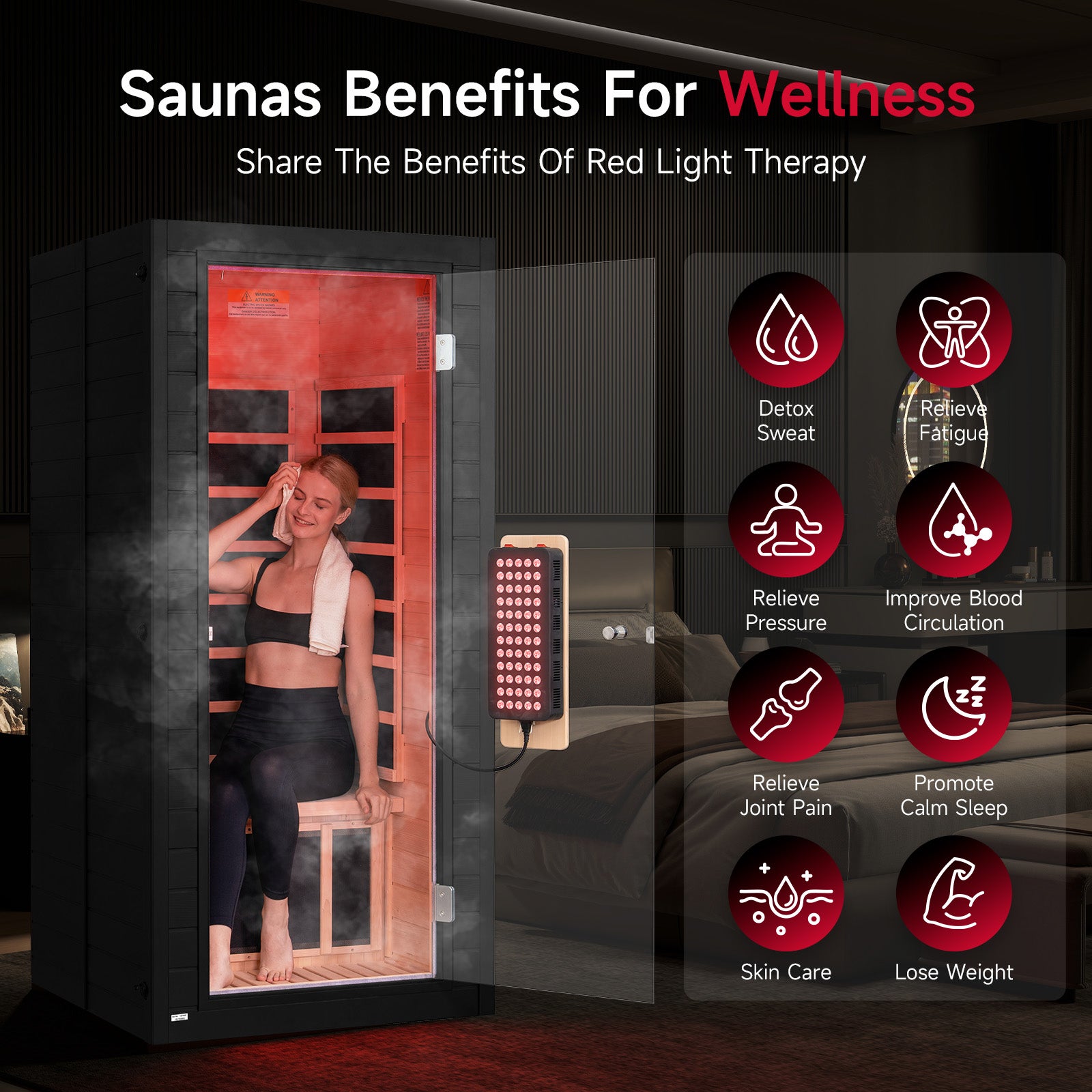
What’s interesting is that the benefits and risks come from the same place. Increased circulation, warmth and cellular stimulation are what make infrared and red light appealing in the first place. But if you push those effects too far, the body can shift from responding positively to feeling stressed.
It’s similar to how exercise works. A good session helps your body recover and feel better, while overtraining without rest can lead to fatigue or strain. Infrared sauna use follows that same pattern. The body enjoys it in reasonable doses, but it still needs balance—no matter the brand or setup.
So Is Long-Term Use Safe or Not?
The honest answer is yes—with some common sense built in.
There’s no strong evidence showing that long-term exposure to red or infrared light, on its own, causes serious harm when used properly. At the same time, it’s not something designed for nonstop or excessive use. The safety comes from how you use it, not just from the technology itself.
If sessions are kept within normal ranges, if you stay aware of how your body feels, and if you avoid obvious mistakes like overheating or eye exposure, long-term use is generally considered safe for most people.
How to Use It Without Overdoing It
A relaxed, consistent routine tends to work better than pushing limits. Most people do well with moderate session times, a comfortable distance from any light panels, and enough hydration to support the body’s response to heat. Paying attention to small signals—like lingering skin redness or feeling overly fatigued—matters more than sticking to maximum settings.
Over time, it becomes less about rules and more about awareness. If it feels restorative, you’re probably in the right zone. If it starts to feel draining, that’s your cue to scale it back.
The Bottom Line
Infrared and red light therapy aren’t something to be afraid of, but they also aren’t something to use without thinking. They sit in a space where science supports their safety and benefits—within reason.
Used thoughtfully, whether in a SpringSpa sauna or any similar setup, they can be part of a long-term wellness routine. Used excessively, they can create avoidable problems. The difference comes down to balance, not technology.















Share:
Can Infrared Saunas Boost Immunity or Reduce Stress?
How to Clean and Maintain Your Infrared Sauna Interior and Exterior