

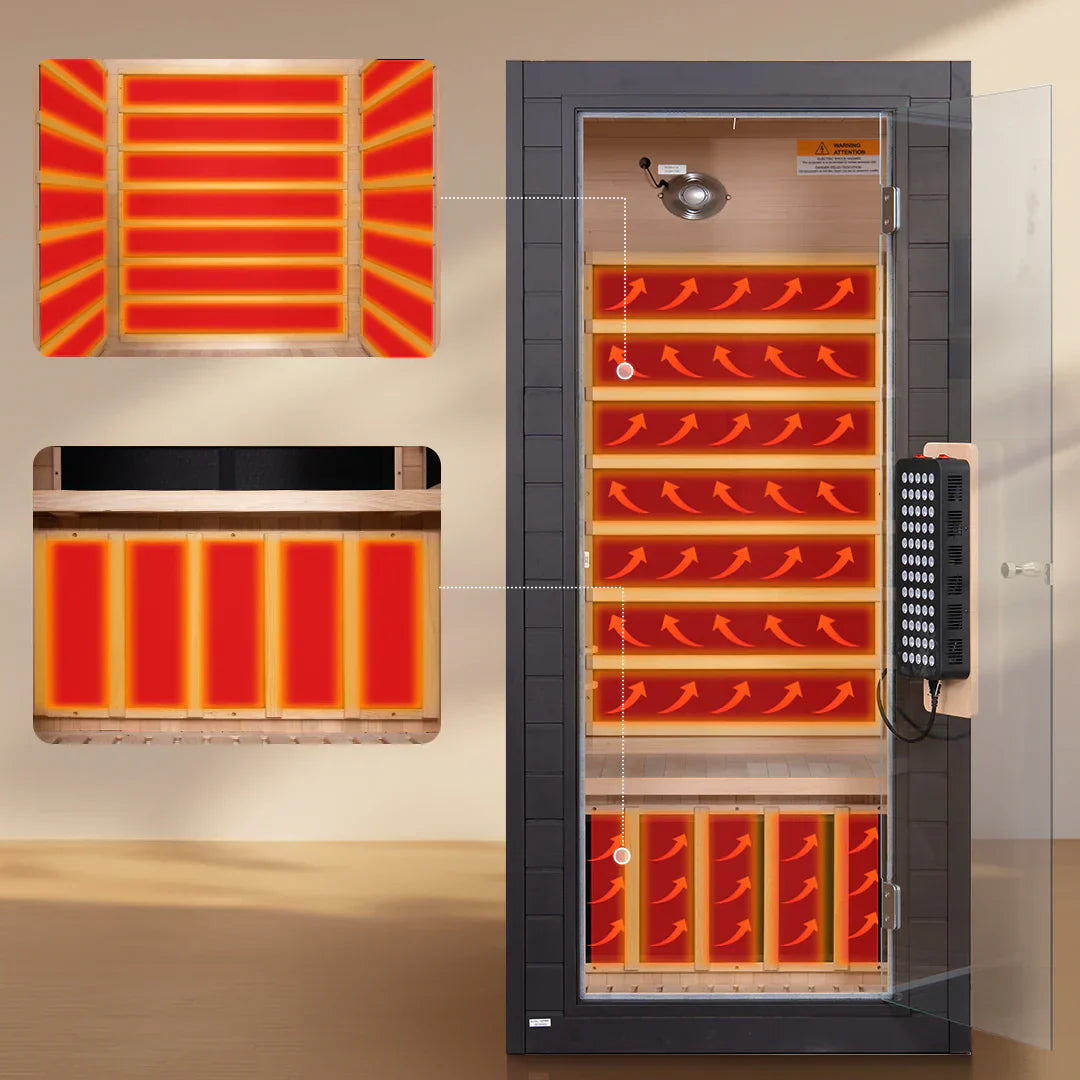
Full spectrum infrared saunas with red light therapy are gaining popularity for their deep, soothing heat. They use near, mid and far-infrared wavelengths to warm your body from the inside out. People often praise them for relaxation, easing sore muscles and improving circulation. But if you have a heart condition, it’s smart to pause and consider how this type of heat might affect you.
How Full Spectrum Heat Interacts with Your Heart
Stepping into a full spectrum infrared sauna is kind of like giving your heart a gentle workout. Your heart rate increases, your blood vessels expand and your circulation gets a boost. For a healthy heart, this is usually beneficial and can even help with cardiovascular fitness over time.
A 2015 study in JAMA Internal Medicine showed that regular sauna use could improve cardiovascular function and lower blood pressure in healthy adults. But the study also noted that individuals with heart problems need to be cautious since the body’s response to heat varies widely.
Who Should Be Extra Careful
If you’ve had a recent heart attack, bypass surgery, stent placement or suffer from severe heart failure, the intense heat from a full spectrum sauna may not be safe. It can push your heart harder than usual, potentially causing irregular heart rhythms or sudden drops in blood pressure. Even those with mild heart issues, high blood pressure, or irregular heartbeats should check with their doctor before trying this therapy.
Safer Ways to Enjoy Full Spectrum Saunas
If your cardiologist gives you the go-ahead, there are ways to enjoy a sauna safely. Short sessions of 5–10 minutes at moderate temperatures are ideal for starters. Keep water nearby to stay hydrated and listen closely to your body. Feeling dizzy, noticing chest discomfort or palpitations are all signs to exit immediately. Think of it as gentle cardio: beneficial if done right, risky if pushed too far.

Benefits with Heart Health in Mind
For those cleared by a medical professional, full spectrum saunas can support heart health. Research from the European Journal of Preventive Cardiology suggests regular sauna sessions can enhance vascular function and help lower blood pressure. It’s a mild way to stimulate circulation without leaving the comfort of a warm, quiet space.
Some evidence also points to potential long-term heart benefits, though more research is needed. Regular, moderated sauna use may complement other healthy lifestyle habits, such as exercise and a balanced diet.
Conditions That Warrant Caution
Certain heart conditions make infrared heat riskier. People with unstable angina, advanced heart failure, severe aortic stenosis or very recent cardiac events should generally avoid full spectrum saunas until cleared by a healthcare provider. Even seemingly minor heart issues should be discussed with a doctor—it's better to be safe than sorry.
Paying Attention to Your Body
Your body knows best. Start slowly, stay hydrated, and don't ignore warning signs. Each heart responds differently, so what feels fine for someone else may not be safe for you. By taking it easy and listening carefully, many people with heart conditions can enjoy sauna therapy safely and reap its relaxation and circulatory benefits.
Final Thoughts
Full spectrum infrared saunas offer deep, soothing heat that can feel wonderful and even support heart health when used cautiously. But they also put additional stress on the cardiovascular system, making medical guidance essential. Short sessions, moderate temperatures, hydration, and paying attention to your body’s signals are the keys to enjoying infrared therapy safely. Always check with your cardiologist first to make sure your heart can handle the heat and you can relax without worry.












Share:
Are There Any Risks of Overheating or Hyperthermia in an Infrared Sauna?
Can Infrared Saunas Boost Immunity or Reduce Stress?